Fact or fiction: was Bridgerton’s Queen Charlotte really black? The series’ 2023 spin-off says so, but some historians think her biracial background is just an internet conspiracy theory

- Hit Netflix show Bridgerton and its upcoming spin-off portray a black Queen Charlotte – a theory popularised by one historian who asserts that she was biracial
- The claim resurfaced in 2018, when Meghan Markle married Prince Harry – but other scholars are sceptical and Buckingham Palace dismissed the idea
Queen Charlotte in Bridgerton, played by Golda Rosheuvel, commanded the screen with her icy stare, towering wigs and lavish gowns. She also stood out for her role as a black monarch reigning over a reimagined, racially integrated London.
But the real Regency Era from 1811 to 1820 was nowhere near as diverse as the shows have reimagined. Slavery wasn’t abolished in England until 1833, and people of colour were relegated to domestic work.
Fact or fiction?
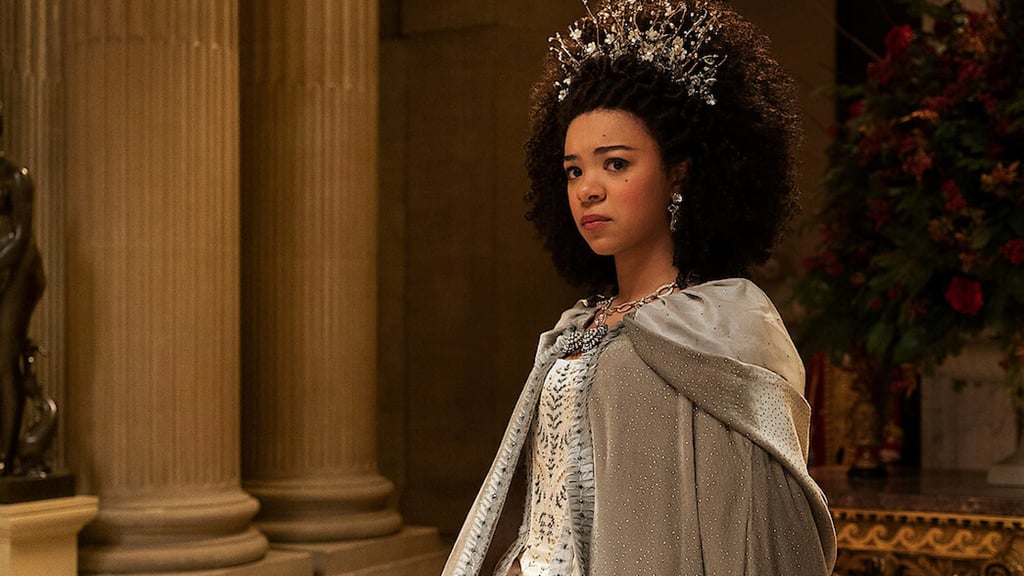
Bridgerton leans into one historian’s theory that Queen Charlotte was descended from a black branch of the Portuguese royal family. But other scholars have since disputed this assertion.
“The problem with the theory is that it’s been knocking around on the internet, reported on by the likes of The New York Times, and gained a veneer of respectability,” historian Lisa Hilton said. “But one can say there is absolutely no credible evidence that she was black.”
Who was Queen Charlotte?
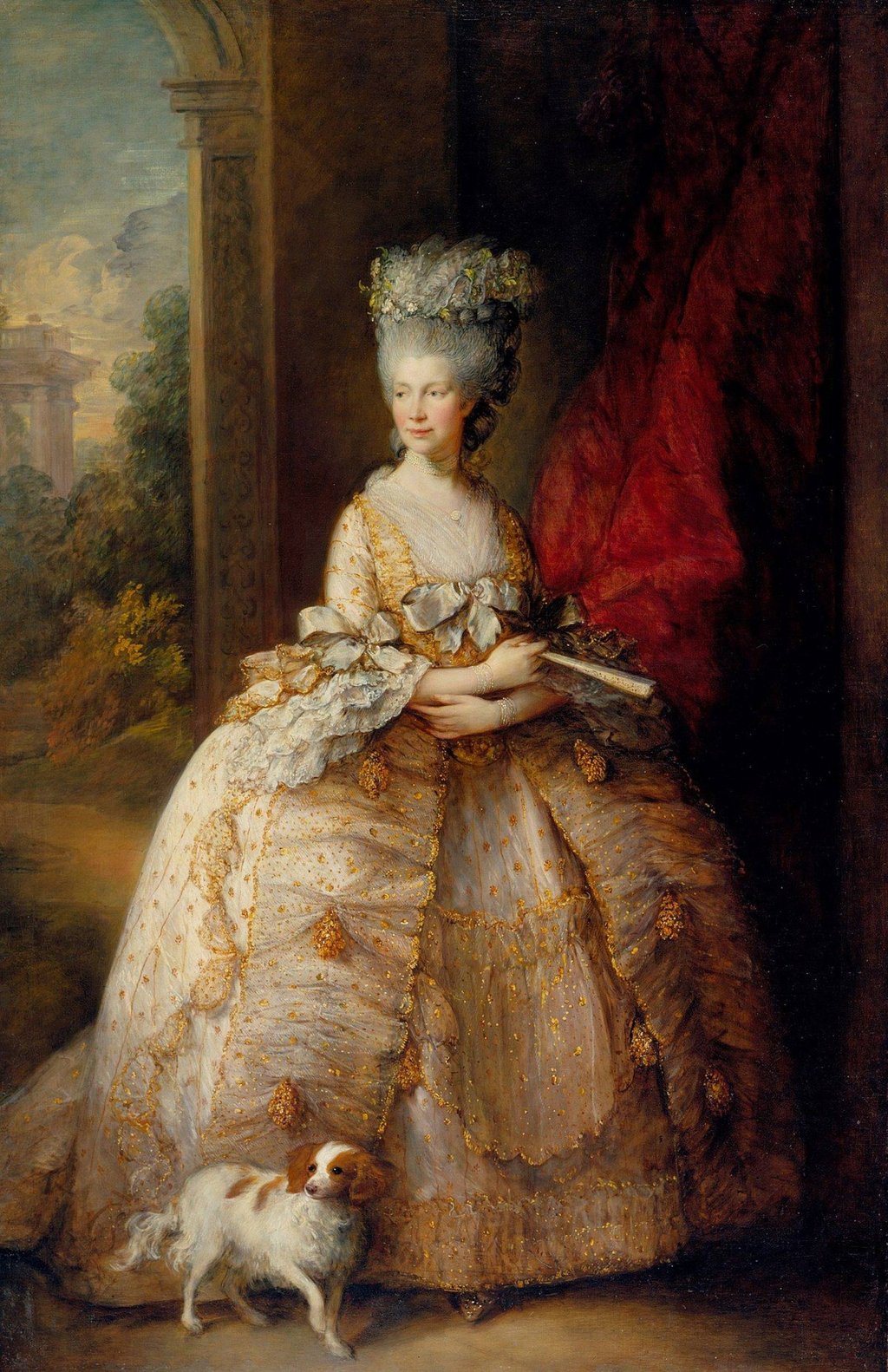
Princess Charlotte was born into the royal family of Mecklenburg-Strelitz in a small duchy in Germany. As a minor German princess with major sway in politics, she was deemed a suitable match for George III, who inherited the British throne in 1760.
Within six hours of her arrival in London on September 8, 1761, Charlotte married King George III, becoming the queen of Great Britain. The new queen spoke no English at first, but quickly learned the language and acclimated to British society, earning the approval of her subjects.
“She was quite popular at the time: a good, pious Protestant woman who had a successful marriage with King George III,” Hilton said.
When the king’s mental and physical illness worsened in 1788, Queen Charlotte stepped in to effectively govern as regent, though she was never formally appointed as such. She supported her husband throughout his mental illness until her death in 1818.