Inside the dark history of Britain’s Crown Jewels: King Charles and Queen Camilla wore the Lahore diamond, the Cullinan diamonds and the Black Prince’s Ruby at their coronation amid repatriation calls

- King Charles and Queen Camilla’s coronation prompted another round of criticism of the royal family’s Crown Jewels, with calls to repatriate the large gems including the Koh-i-noor and Lahore diamonds
- South Africans have asked for the Cullinan diamonds back, which Queen Elizabeth used to wear as brooches, while the Koh-i-noor diamond originated in the Persian Empire
Now the newly crowned British monarch is facing renewed calls to repatriate the sought-after treasures.
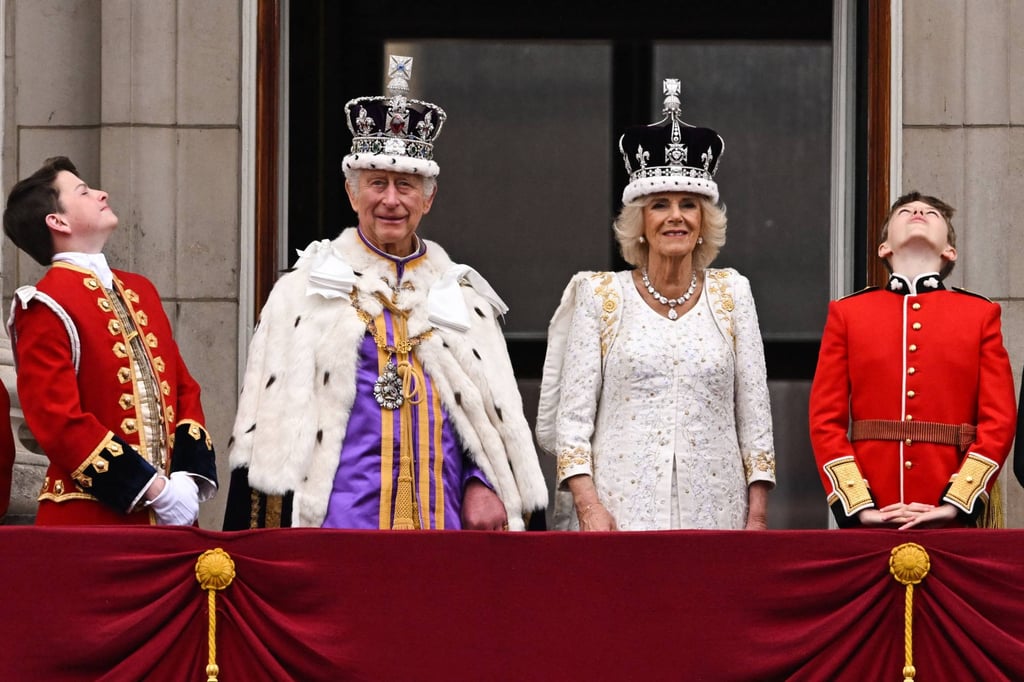
Ahead of King Charles’ coronation, Buckingham Palace assured the public that Queen Camilla would not wear the highly controversial Koh-i-noor diamond during the festivities. But instead she sported the Cullinan diamonds, a collection of gems associated with Britain’s colonial history in South Africa, and the Lahore diamond, another controversial gem.
For many in the now-independent former colonies of British rule, these diamonds, along with others in the royal family’s collection of Crown Jewels, are a reminder of the painful history of exploitation.
We delve into the dark history behind Britain’s Crown Jewels. (Buckingham Palace didn’t immediately respond to request for comment for this story.)
1. The Koh-i-noor diamond
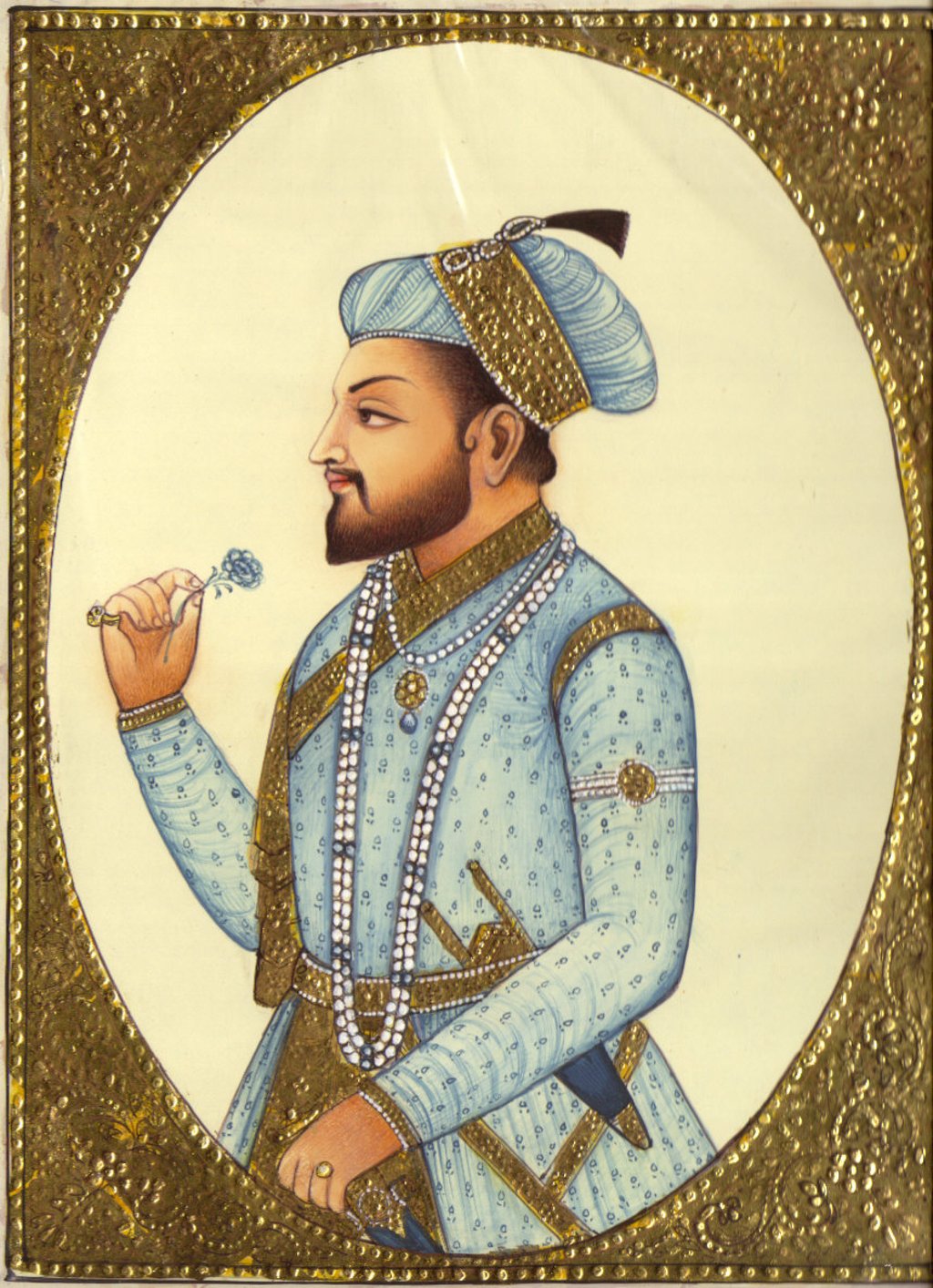
Though the Koh-i-noor diamond’s origins are unknown, its first appearance in written record was in 1628. Emperor of the Mughal Empire, Shah Jahan, encrusted his regal throne with the Timur Ruby and the Koh-i-noor diamond, two of the most valued gems of all time, Smithsonian magazine reported.
The empire stretched throughout present-day India, Bangladesh, Pakistan and Eastern Afghanistan. At the time, the Mughal Empire was one of the wealthiest and most powerful parts of the world – modern-day India was the greatest source of diamonds and gems for centuries.
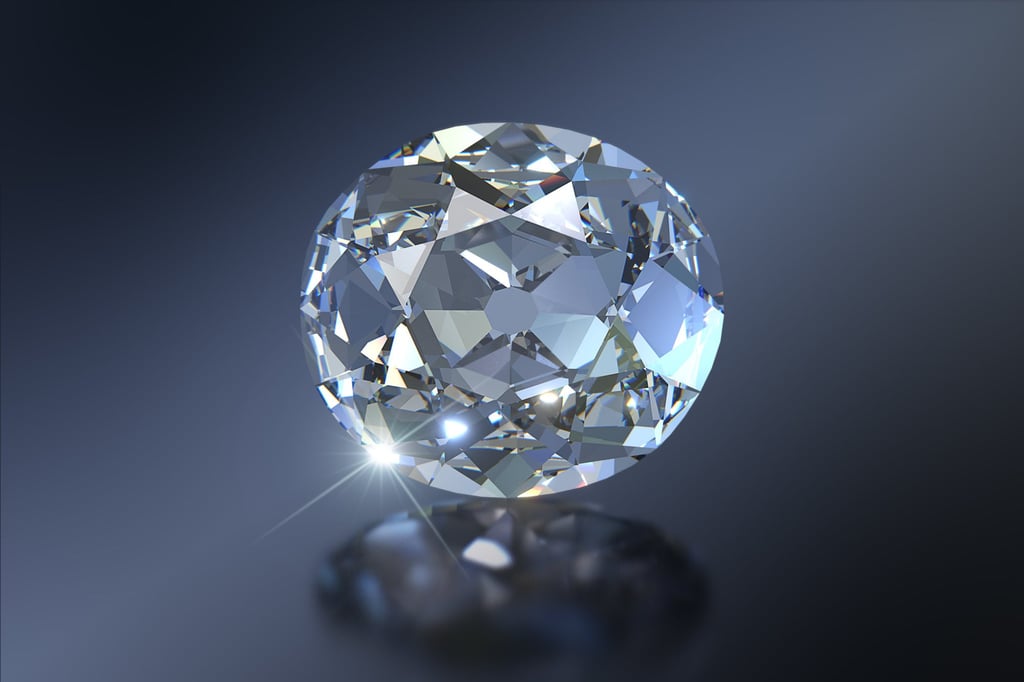
In 1739, the Persian Empire invaded Mughal’s capital of Delhi and left with hordes of gold and gems, including the Koh-i-noor diamond, which the emperor incorporated into an ornate armband. In the 1800s, the Koh-i-noor diamond was included in the inheritance of the prince of the Sikh empire.