Who are Kamala Harris’ parents, and how did they inspire the 2024 presidential hopeful? Jamaican-born Donald J. Harris and Indian Shyamala Gopalan met at UC Berkeley, then had prominent careers

- President Joe Biden dropped out of the 2024 elections race, and now Kamala Harris could become the first female president of the US – before this, she made history as the first Black, South Asian veep
- Her parents – both immigrants to the US – broke boundaries, too: Gopalan was pioneer in breast cancer research while Donald served as a professor at Stanford University
Before her nomination though, she made history as the first Black and first South Asian person to serve as veep. So just who are her parents who helped her get here?
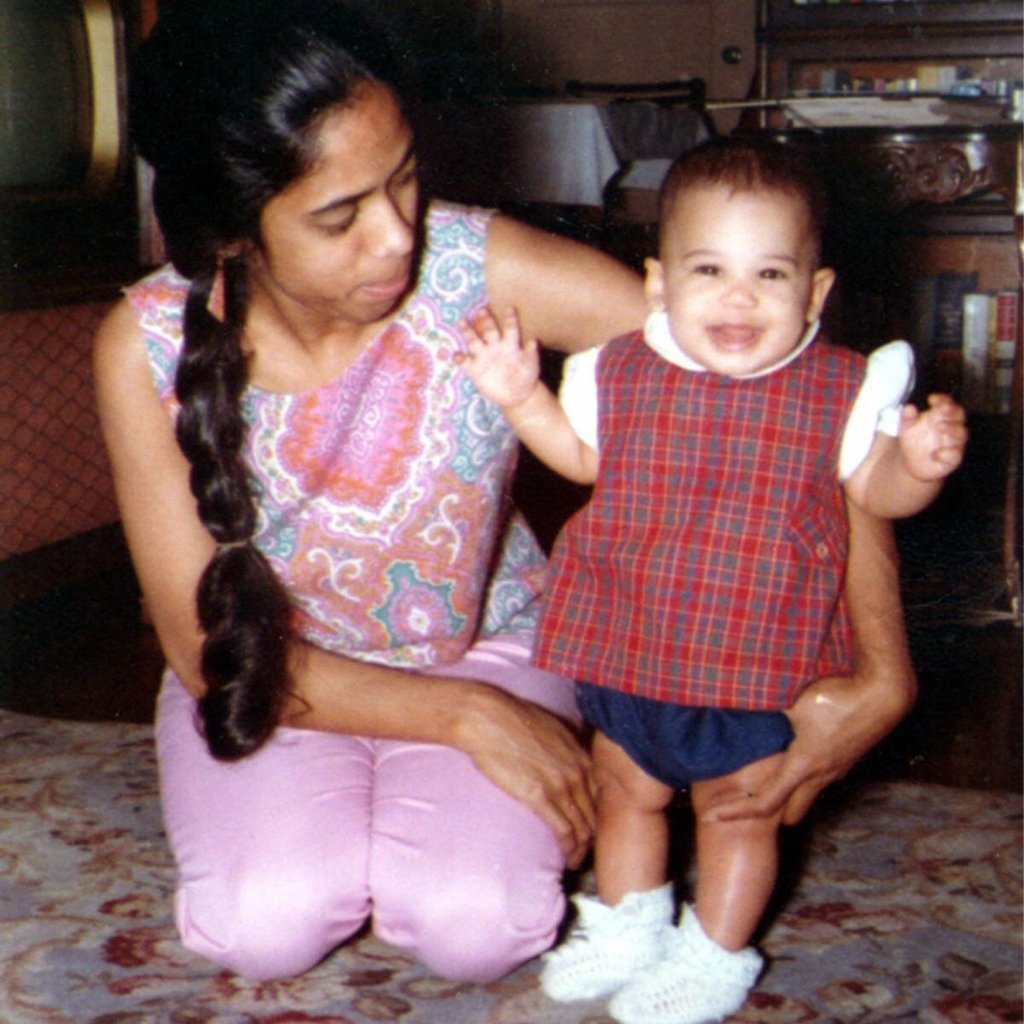
In 1962, Jamaican-born Donald J. Harris and Shyamala Gopalan, who hails from India, met as students at the University of California, Berkeley, and quickly fell in love. Both had arrived as immigrants and went on to forge groundbreaking careers and become leaders in their respective fields. Fast forward to more than 60 years later and the firstborn daughter of these two high-achieving intellectuals may just become the first female president of the United States.
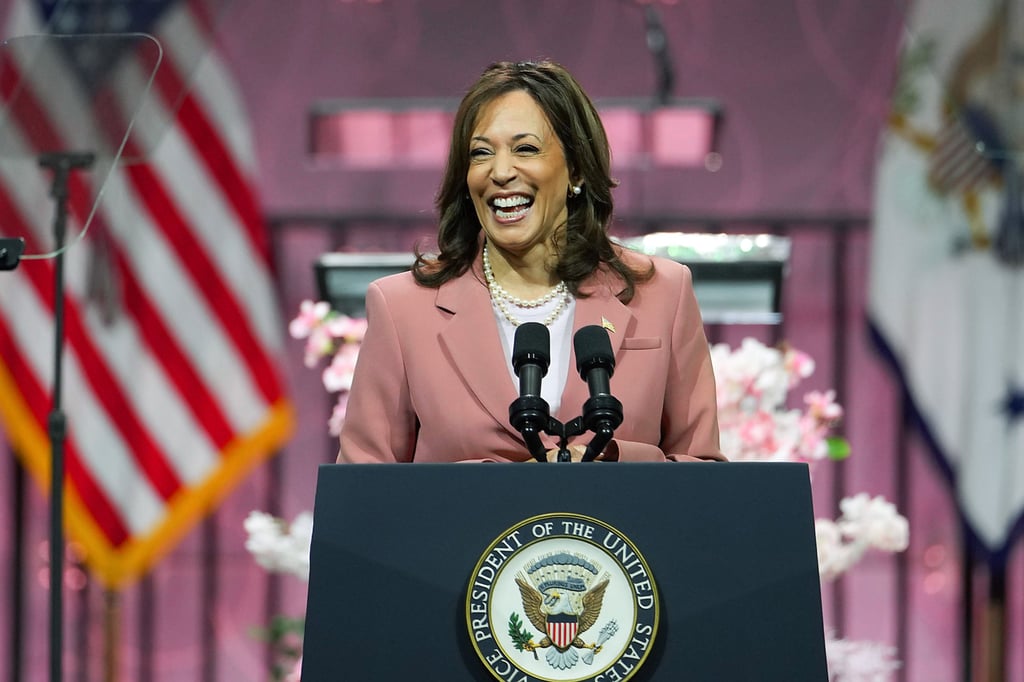
Here’s what you need to know about the two people who shaped Kamala Harris into who she is today.
Kamala Harris’ parents both left home for an American education
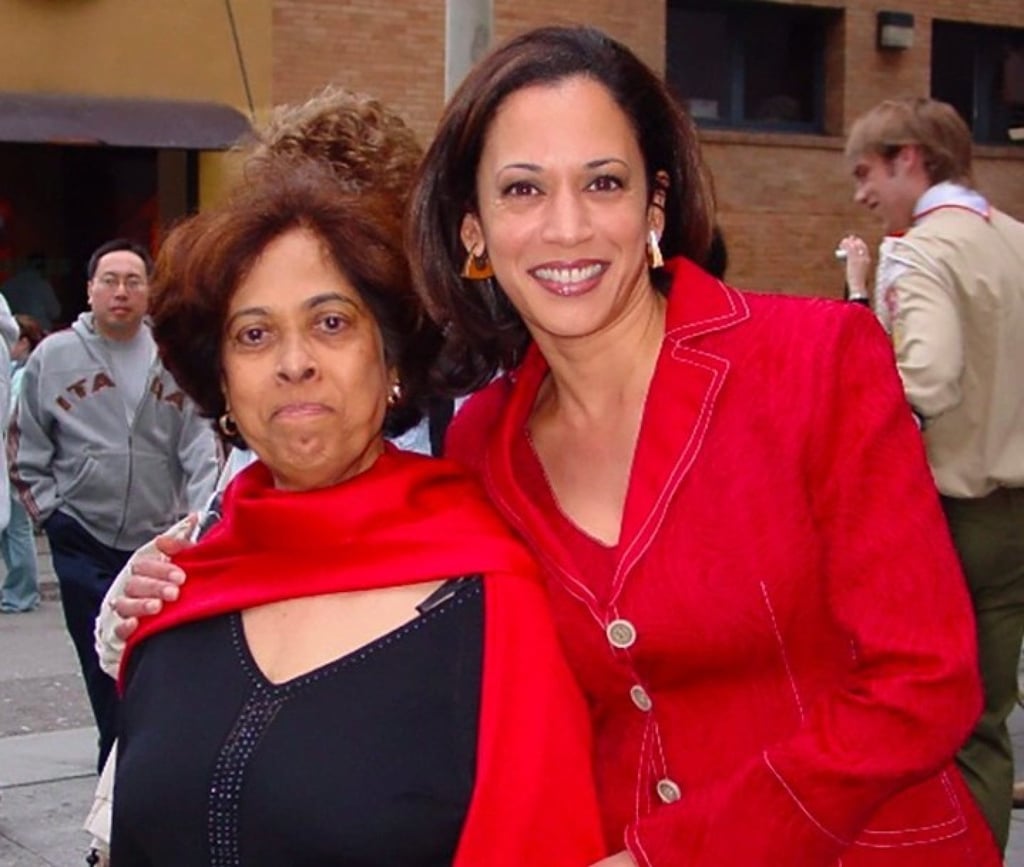
According to The New York Times, Gopalan had ambitions of becoming a biochemist and curing cancer. But as a woman in a recently postcolonial India, she was limited to studying “home sciences” at the British-founded Lady Irwin College. When her brother told her that women could apply for biochemistry degrees in the US, she came up with a plan to pursue her dreams. Despite having never left India before, she applied to UC Berkeley. When she received her acceptance letter, her surprised father, a civil servant, agreed to dig into his retirement savings to pay for her first year’s tuition, per People.
On the other side of the world, Donald made the decision to work towards a doctorate with the help of a prestigious scholarship, per the same publication. Most recipients of this scholarship studied in Britain, since the grant was administered by the British colonial government. But having had his fill of British culture, Donald was drawn to the more diverse and complex US. He was particularly interested in studying at UC Berkeley because he’d seen a news story about students from the campus going to the American South to campaign for civil rights.