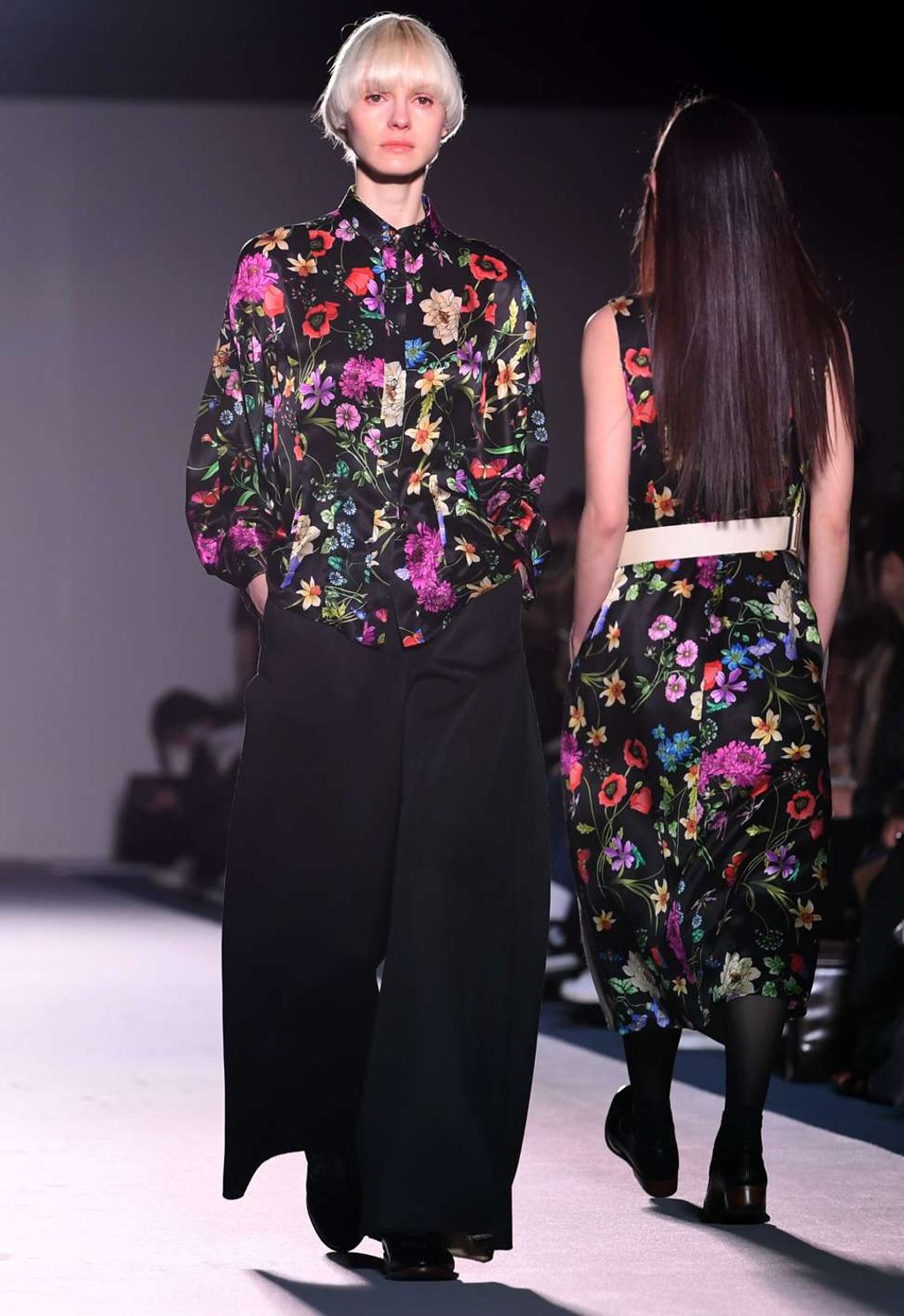
Tokyo fashion week goes off-grid to get on the map

Japanese designers support surface, matohu and Name. push the boundaries with innovative runways and outdoor venues
But this season a growing number of designers are branching out in search of new pastures, consciously or sub-consciously taking tips from the more seasoned fashion weeks where location can be everything.
When Alexander Wang made the international fashion glitterati decamp from Manhattan to Brooklyn on a cold February night in 2014, it was considered not only daringly innovative but drove headlines for days.
While not scaling such dizzying heights of extravagance, designers in Tokyo are starting to cotton onto the concept that the architectural wealth of their capital could be a more atmospheric backdrop to their style offerings than the ninth floor of Shibuya’s Hikarie mall.
With that in mind, one label – support surface – invited hundreds of guests to a new indoor running stadium, built as a training ground ahead of the 2020 Olympics in Toyosu, an area of reclaimed land in southern Tokyo.
Designer Norio Surikabe of the label "support surface" said he chose the site for the aesthetics of its curved, mesh-effect ceiling and wooden beams, and its novelty value in having only recently become available for hire.
“I just felt intuitively that this place would be nice,” he said. “I thought doing the show somewhere not urban like Shibuya with a wide sky could be good for refreshing the mind.”
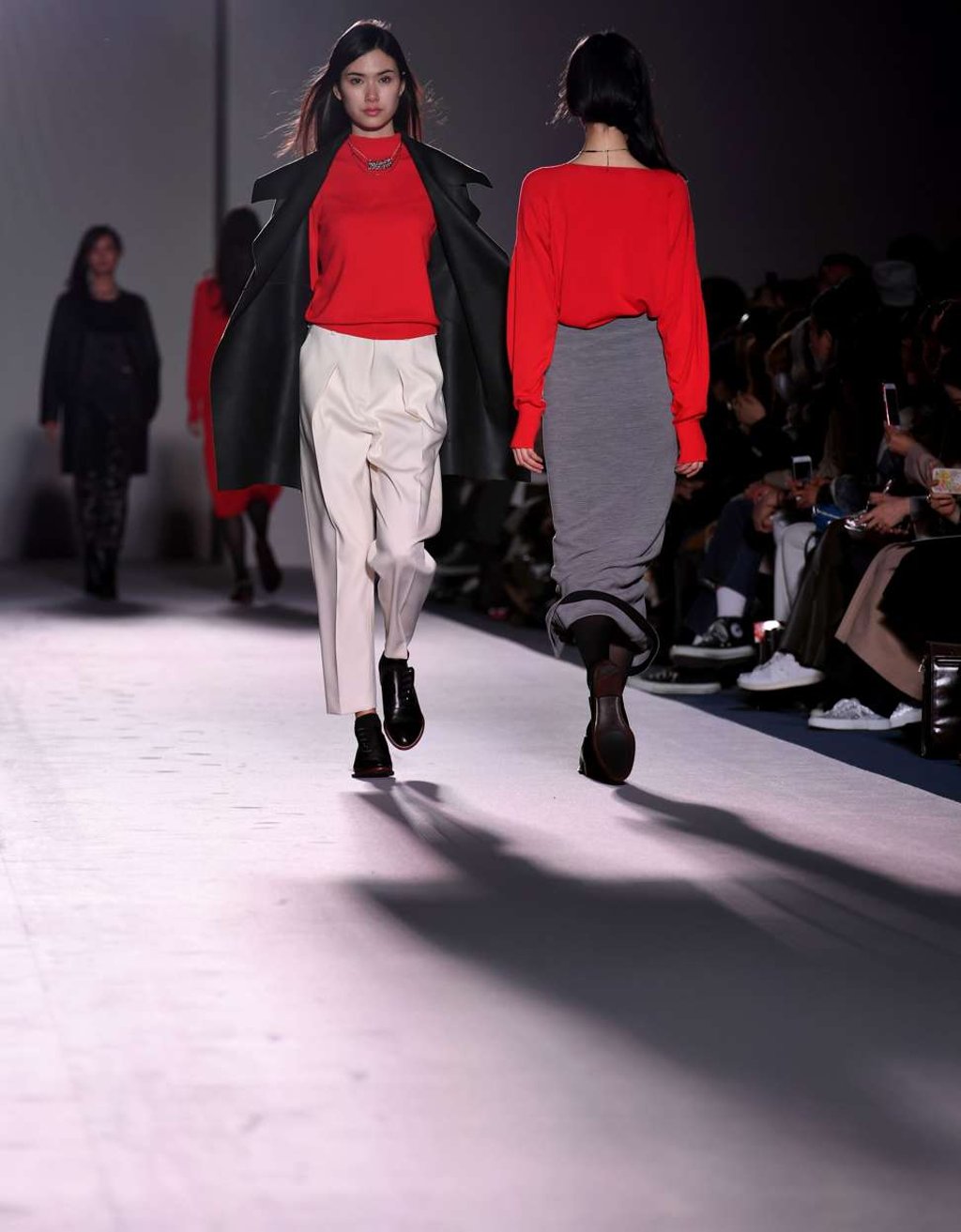
To invigorate the audience of buyers, fashion press and fashionistas, live musicians performed original zen-like music and a lighting expert was selected to bathe the runway in bright light.