Tokyo fashion week showcases innovative fabrics from Hanae Mori Manuscrit, ROGGYKEI and TAAKK

Japan is famous for high-tech and specialty fabrics that inspire homegrown labels Hanae Mori, ROGGYKEI and TAAKK – and make for innovative outfits
Wood fashioned into lace and sculpted into evening dresses: the Hanae Mori Manuscrit label led the way this Tokyo Fashion Week in showing the world the original craftmanship that helps set Japan apart from the crowd.
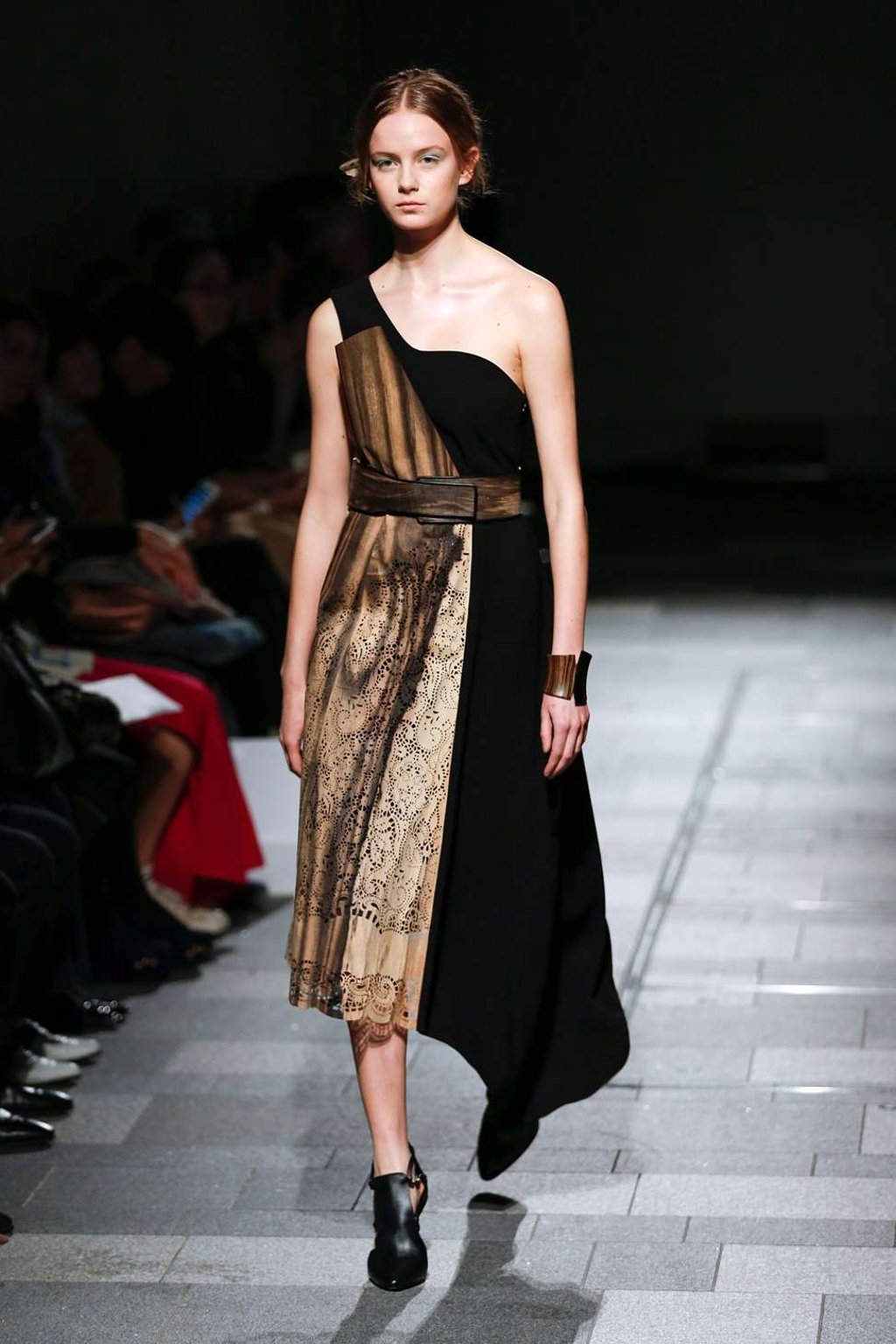
The fashion world hadn't seen a wooden dress since Hussein Chalayan's legendary AW00 show, and designer Yu Amatsu’s autumn/winter 2017 collection for the brand showcased dresses of persimmon wood lace paired with soft falling black fabric that left fashionistas giddy with excitement.
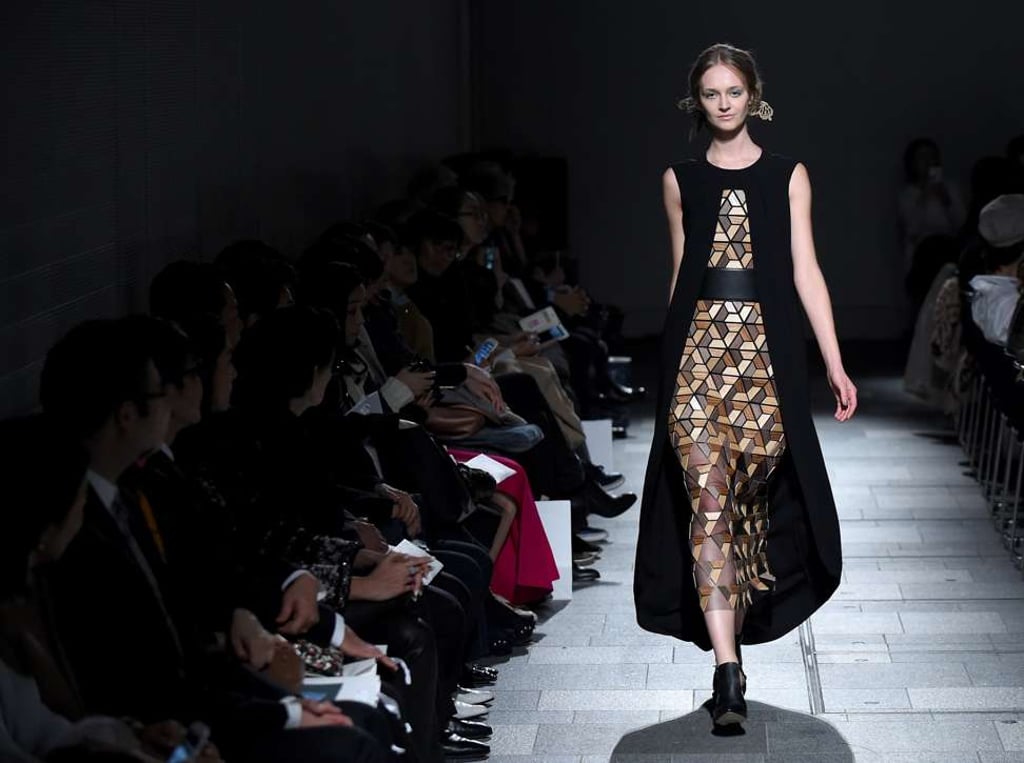
Discs of chestnut and walnut were used on a dress of interlocking triangular panels, an homage to Issey Miyake’s iconic Bao Bao bag, while wood was fashioned into sleeve ties and delicate butterfly hair pieces.
Japan is famous for high-tech and specialty fabrics, which not only supply the likes of Chanel and other celebrated couture houses, but also provide constantly shifting inspiration for homegrown designers.
Misha Janette, a Tokyo-based stylist, creative director and blogger who has lived in Japan since 2004, said Japanese fashion was often less about entertainment and more thoughtful with “amazing” material.
“They’re really, really keen on working with young designers to create new fabrics... that sets them apart,” she told AFP. “Each little village has its own special kind of fabric.”
Amatsu said the theme of his collection was “combine” – combining fabrics to create something that was both different and more beautiful.
The persimmon was originally very hard. “Even the sewing machine needle couldn’t go through it,” he explained. So he striped it down to 0.14 millimeters wide and bonded it with fabric to make it stronger.
He then stitched it into a lace butterfly pattern. “It’s quite heavy so when you move with the dress it makes a 3-D silhouette,” he told AFP.