Flamingo kitsch is back in fashion – here’s who to blame

The pink bird is the “kale of style” right now
Fashion is fickle. What’s in is soon out and, then, miraculously, back in again. There’s no better proof of that than the flamingo: Once a tacky lawn ornament, it’s been resurrected as the design element of the moment.
In just over two years, flamingos have soared from the catwalks of Milan to the wardrobes and walls of urban hipsters to the aisles of Nordstrom, IKEA, Crate & Barrel, Target and Britain’s John Lewis department stores. Flamingos now adorn everything from US$1,495 Givenchy dresses to US$40 shower curtains. Google search interest for “flamingo” hit an all-time high in May.
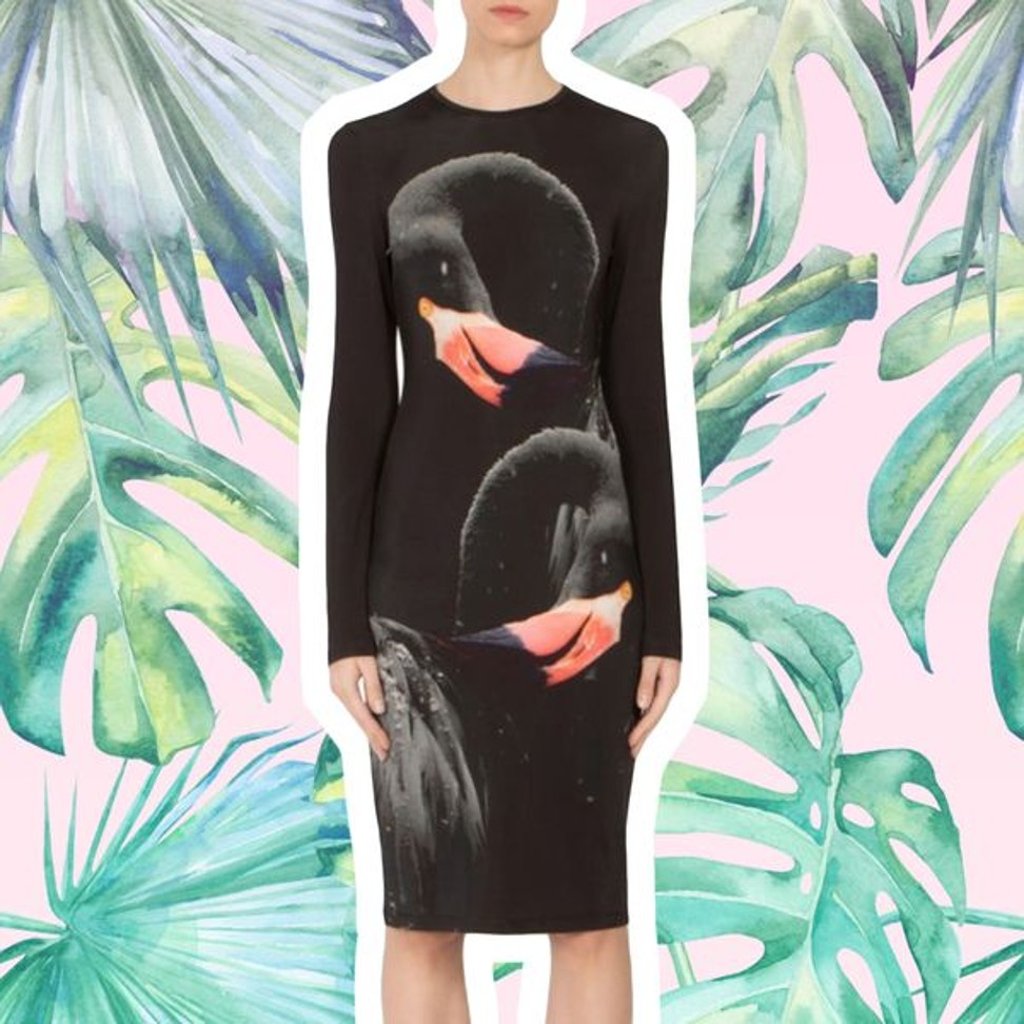
“Flamingos are the kale of style right now,” says Vicki Psarias, founder of the British lifestyle blog “Honest Mum.”
The flamingo’s journey from kitsch to cool illustrates how consumer trends emerge. Flamingos nestled in the happy middle of a Venn diagram of three hot trends: they’re pink, they’re tropical and they happen to be birds. Once there, they quickly grew, with help from a steady diet of celebrity Instagram posts, Pinterest pages and style blogs.
“The ability of social networks to launch, broadcast and instantly reinforce the credibility of a trend has accelerated the old process of trend development by an almost incalculable factor,” says Ryan Mathews, a consultant and futurist. “The path is the same, but the ride is a whole lot faster and bumpier.”
Watch: The Webster’s Laure Hériard-Dubreuil on how to pack for Miami
The flamingo’s ride began way back in 1957, when a young graphic artist with the fitting name of Donald Featherstone created a plastic pink flamingo for Union Products, which Sears offered in its catalog for US$2.76 a pair. Suburbanites snatched them up as lawn ornaments, and they soon became “widely reviled as the dregs of bad taste,” as a New York Times story put it when Union Products closed in 2006.
A post shared by Kendall (@kendalljenner) on May 24, 2017 at 5:24am PDT
The notoriety caught the attention of avant-garde director John Waters, whose 1972 breakout film “Pink Flamingos” boasted the tag line “An exercise in poor taste.” Flamingos were briefly a mascot of gay culture but largely petered out, with few mourning when Union Products closed its plastics factory.