Why luxury is an expression of the best of civilisation

Critics say costly consumption is narcissism writ large but for others, expensive things will speak of advanced civilisation in 200 years, suggests Robin Givhan
To celebrate the debut of his autumn’s 2017 collection, designer Ralph Lauren decided to forego the typical runway show for something more personal, but also more extravagant: the self-made mogul invited guests to New York, for a show and dinner in the private garage that houses his collection of rare and exotic automobiles.
Guests dressed in cocktail attire were chauffeured to the September extravaganza by a fleet of black cars that had been outfitted with CDs of jazz standards selected by Lauren for the two-hour drive. Upon arrival, they were greeted with champagne and hors d’oeuvres.
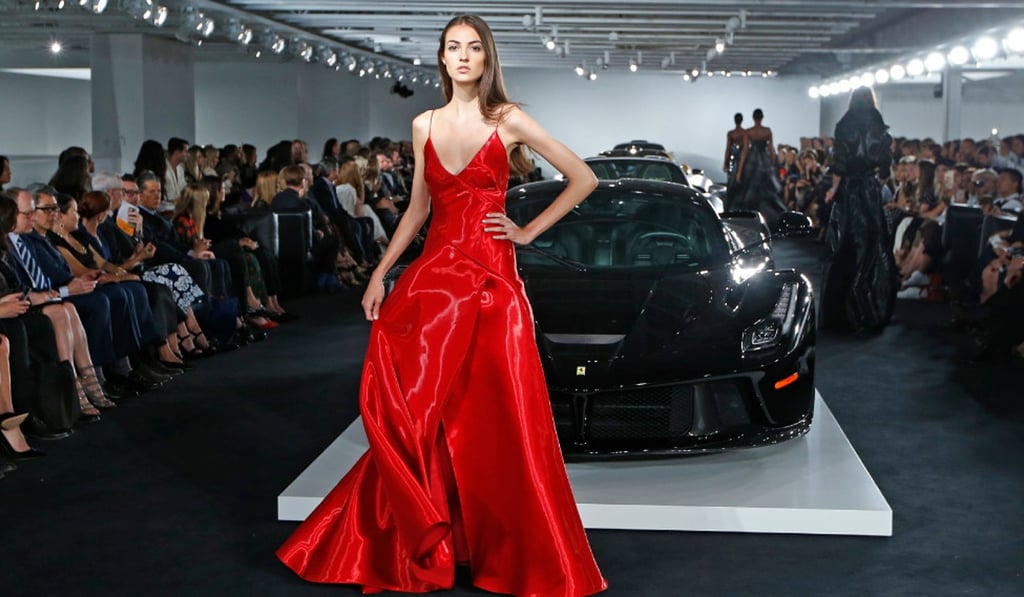
Lauren’s collection, considered among the best in the world, is estimated to be worth US$300 million. His Bugatti 57SC Atlantic Coupe, with its sensuous lines, is valued at US$50 million alone.
Is this the largest disconnect thus far between a fashion brand and the state of the country?
After a presentation of classic men’s and women’s attire, Lauren sauntered out for his bows wearing black coveralls and a weathered brown leather belt. He led the audience down a ramp to a lower level filled with more cars and ringed by a table set for dinner with dozens upon dozens of red roses. The menu - pulled from his own restaurant, the Polo Bar – included lobster salad and hamburgers.
While Wall Street might debate whether the evening ultimately benefited the company’s wobbly bottom line, it was a proud and confident display of Lauren’s professional success, personal wealth and posh aesthetics.
Each detail had been considered in order to make the experience as luxurious and memorable as possible, said one company executive. Still, she was braced for a backlash: too much, too far, too indulgent. And the criticism came as expected, both from within the fashion industry and from those who follow it on social media.