Unesco recognises Grasse’s fragrance artisanship as one of the world’s protected treasures

The UN cultural agency adds the skills linked to cultivating flowers and blending perfumes in farming area near Cannes to its protected treasures
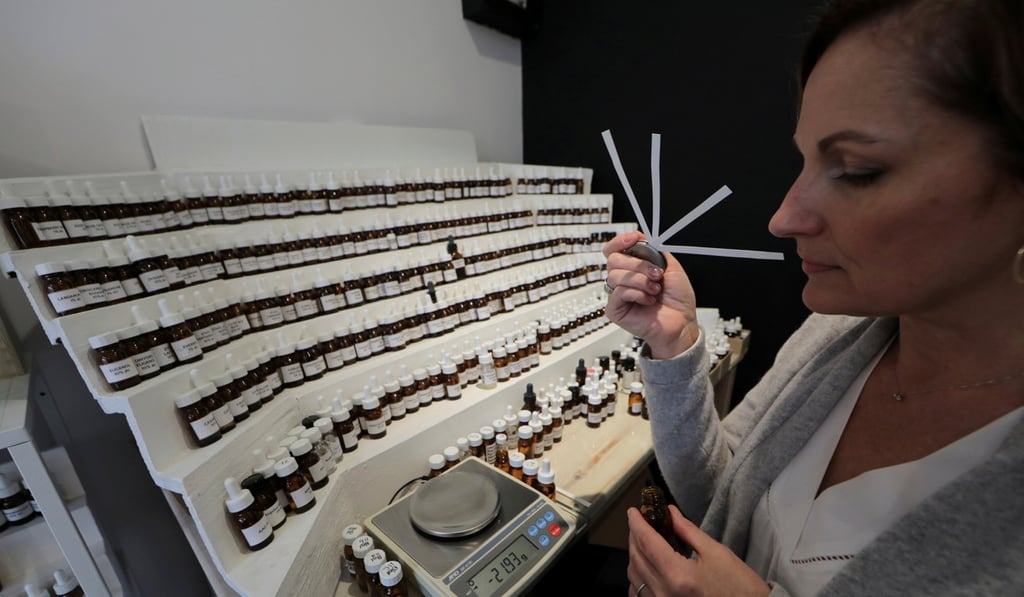
Perfume-making techniques used in Grasse, a southern French commune in the hills above Cannes, where iris, jasmine and other fragrant plants have long flourished, won UN recognition on Wednesday – boosting a bid by local industry champions to lure back more specialist growers.
Unesco, the UN’s cultural agency, said it had added the skills linked to cultivating flowers and blending fragrances in Grasse to its list of protected treasures.
Still considered by perfume manufacturers to be one of the world’s most prestigious fragrance centres – owing to a know-how developed over more than five centuries, and a micro-climate favouring the growth of ingredients such as tuberose – the number of producers has nonetheless dwindled.
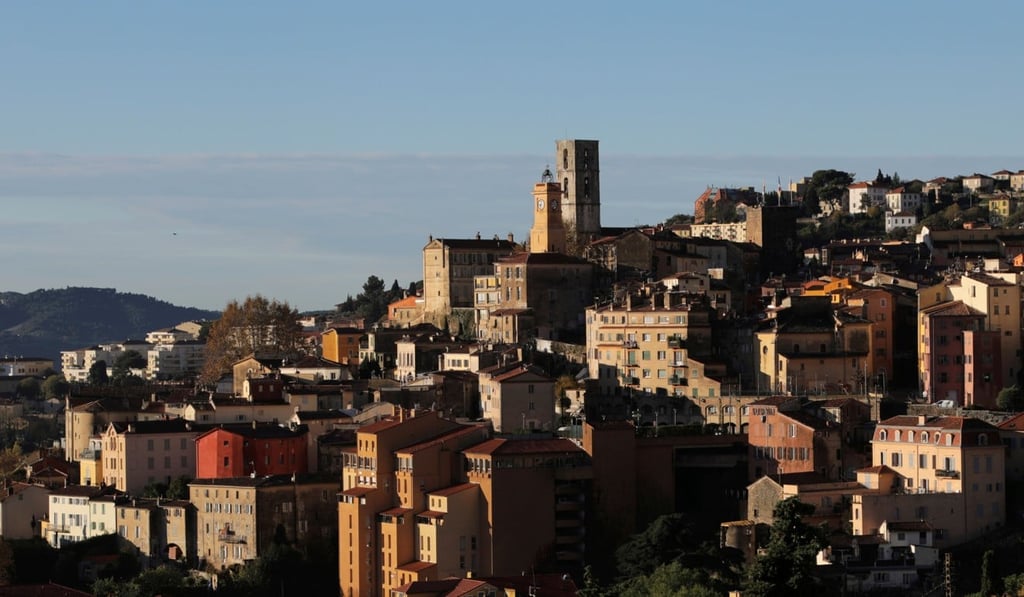
Some business has shifted to Tunisia or Morocco, where production costs are lower, while real estate developers have also made inroads in a prized corner of the French Riviera near Cannes, snapping up what used to be agricultural land.
About 30 hectares (74 acres) of land are dedicated to the pursuit today, compared with almost 2,000 in the 20th century, though Grasse’s city council last week said it had turned 70 hectares of fields marked for potential urban development into an agricultural zone to encourage growers to set up shop.
A handful of young entrepreneurs trying their hand at flower farming had already helped revitalise one of the industry’s most threatened specialities in recent years, local senator Jean-Pierre Leleux said.
“[However] it’s still far from what it was in its heyday,” he said.