How Hermès became the ultimate status symbol in fashion – and made the Dumas family extremely wealthy

- The Dumas family, heirs to the US$49.2 billion Hermès fortune, turned a leather store into a luxury empire and became one of the wealthiest families in the world
Thierry Hermès, an orphan, was skilled with leather – so skilled that his main clients in the 19th century were royal families.
Six generations later, the Hermès family – and brand – is now known for its exclusive Parisian fashion house and a US$49.2 billion fortune.
At the head of Hermès today are two cousins: Pierre-Alexis and Axel Dumas. Both are co-chairmen of the brand. In addition, Axel is the CEO, and Pierre-Alexis is the company’s creative director, whose father, Jean-Louis, revolutionised Hermès, growing it into an international luxury retailer.
In the fashion industry, Hermès is the ultimate status symbol: its signature Birkin bag takes more than 25 hours to make, costs up to six figures, and can be seen on the arms of celebrities and princesses.
Take a look at the history of Hermès and the family – which is now one of the richest – that turned it into a fashion powerhouse.
Thierry Hermès, who was highly skilled with leather, opened a shop in Paris in 1837.
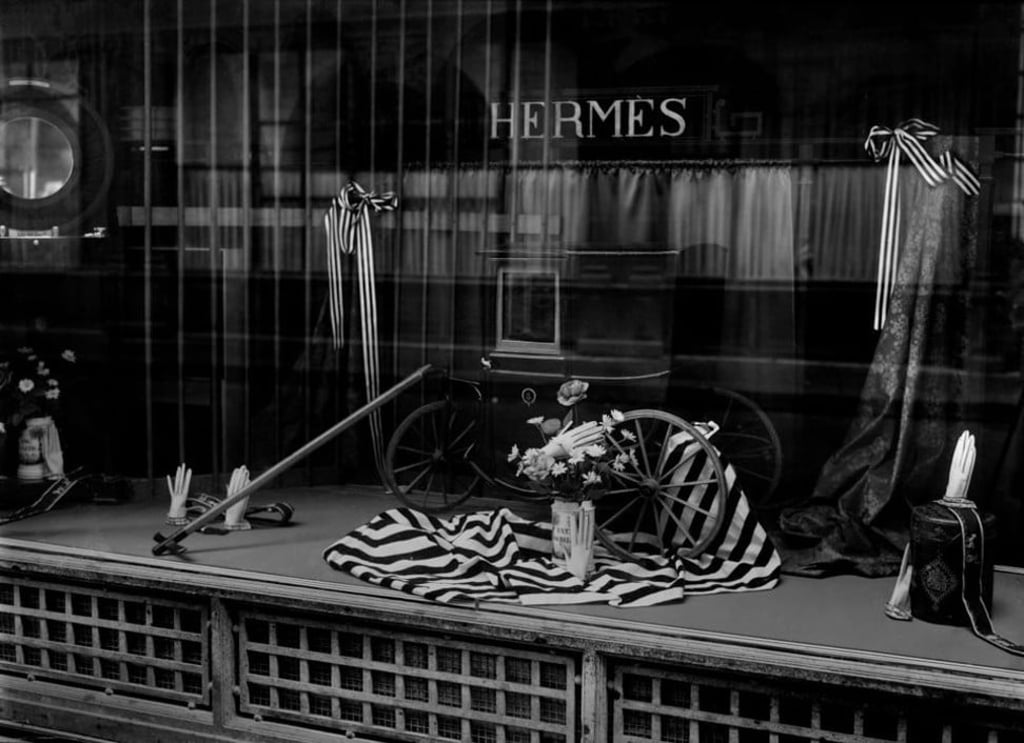
Hermès, at the time, specialised in saddles, taking precise measurements for horses and riders. Hand-stitched saddles took months to make. Perfection was expected every single time because many Hermès clients were European royalty, such as Napoléon III.
Thierry Hermès' son, Émile-Charles Hermès, moved the Hermès flagship store in Paris to 24 Rue du Faubourg Saint-Honoré when he succeeded his father. It still stands there today. By the 20th century, Hermès had royals from all over the world on its client list.