6 luxury beauty industry trends to watch in Asia-Pacific

With China tipped to account for 23 per cent of global skincare sales by 2024, Wolfgang Baier, of regional strategy partner, Luxasia, looks ahead to what luxury brands will offer
“The future [of beauty] is being rewritten”, according to a 2018 Nielsen beauty report. In the world of fast-moving consumer goods, the beauty industry is steadfastly guided by trends.
Finding the connection between micro-trends and macro consumer needs makes it possible to anticipate shifts towards the next big thing, according to Dr Wolfgang Baier, group CEO of Luxasia, a leading omnichannel strategy partner in Asia-Pacific, focused on beauty and luxury lifestyle brand distribution.
Northeast Asia presents the potential opportunity for [brands to enjoy] large revenues. This is an attractive market entry proposition
Baier told STYLE how the beauty industry in Northeast Asia compares with the rest of the world – and how Hong Kong forms the “beauty gateway” into mainland China.
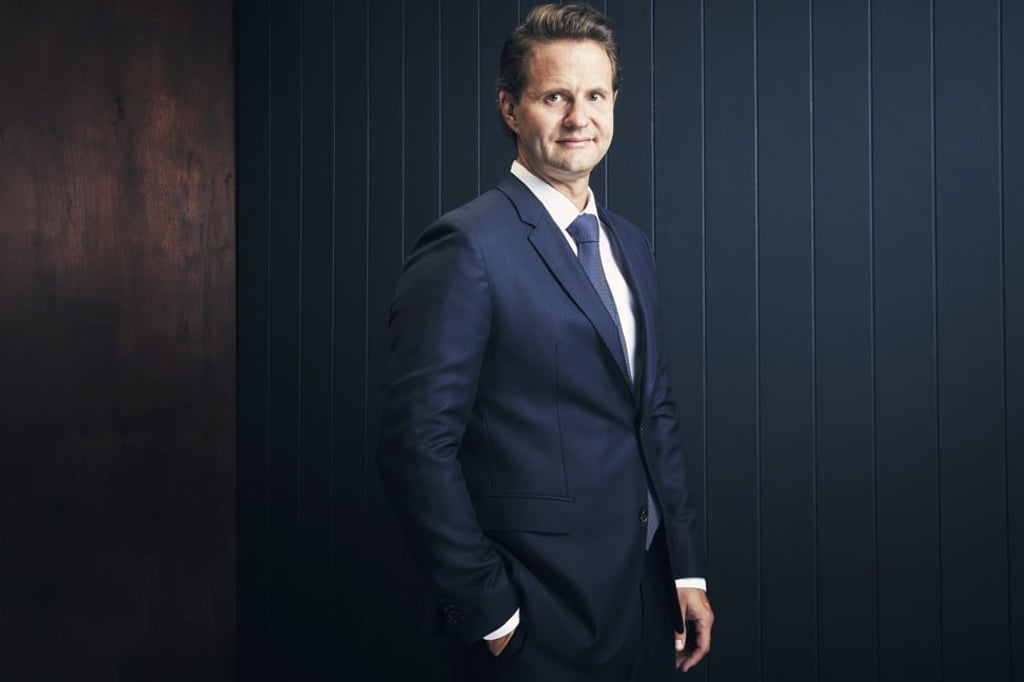
“The beauty industry across the world, especially in Asia-Pacific is highly fragmented and heterogeneous, nuanced with shades arising from diverse cultures, preferences and trends,” he says.
“In Northeast Asia, as consumers move to being more discerning in their expectations about skincare and beauty products, this sets their requirements to be more sophisticated than counterparts in Europe and the US.”
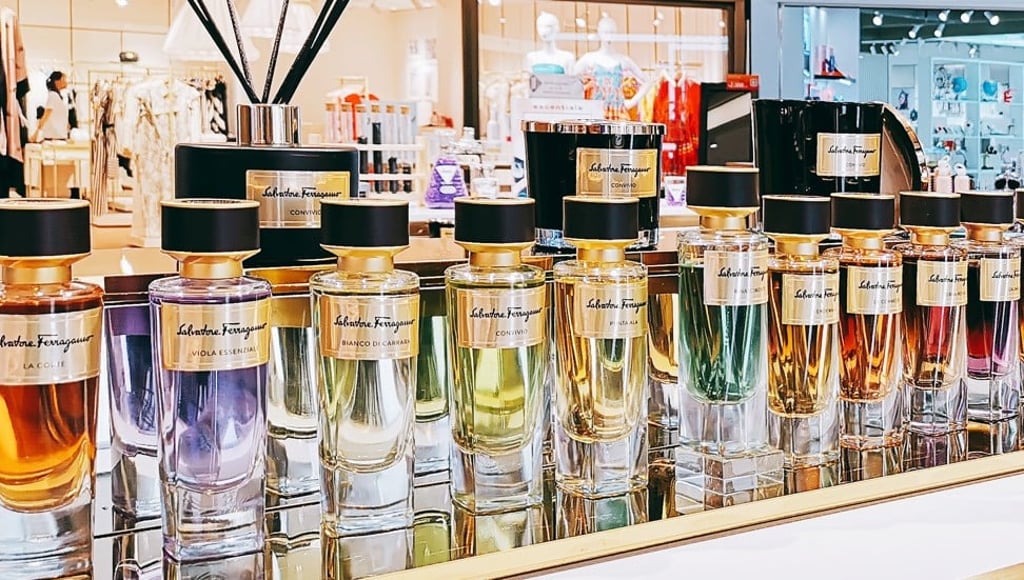
Innovation is key, he says, with Chinese millennials moving towards a culture in which individuality outweighs conformity.
Here are the six key trends he predicts for the Asia-Pacific.
1. Massive growth in skincare use across Asia-Pacific
Driving this trend is galloping demand from China. It is projected that China will capture 23 per cent of the global skincare market and 43 per cent of the global online skincare market by 2024, driven by a population that is highly engaged digitally.
This will also make China the largest online skincare market in the future. By 2024, skincare is expected to account for 60 per cent of beauty sales in China.