Rabanne reborn: how Julien Dossena built a billion-dollar brand – wacko Paco’s Spanish house was known for ‘unwearable’ fashion before the French creative designer took the reins – interview

- The Paco Rabanne brand was founded by the outlandish Francisco Rabaneda Cuervo, whose experimental looks were worn by Jane Fonda in Barbarella and Audrey Hepburn in Two For the Road
- Despite shade from Coco Chanel, wacko Paco’s influence was felt in Balenciaga’s Demna and Japanese designer Junya Watanabe before his 1999 retirement – now the label he left is entering a new era
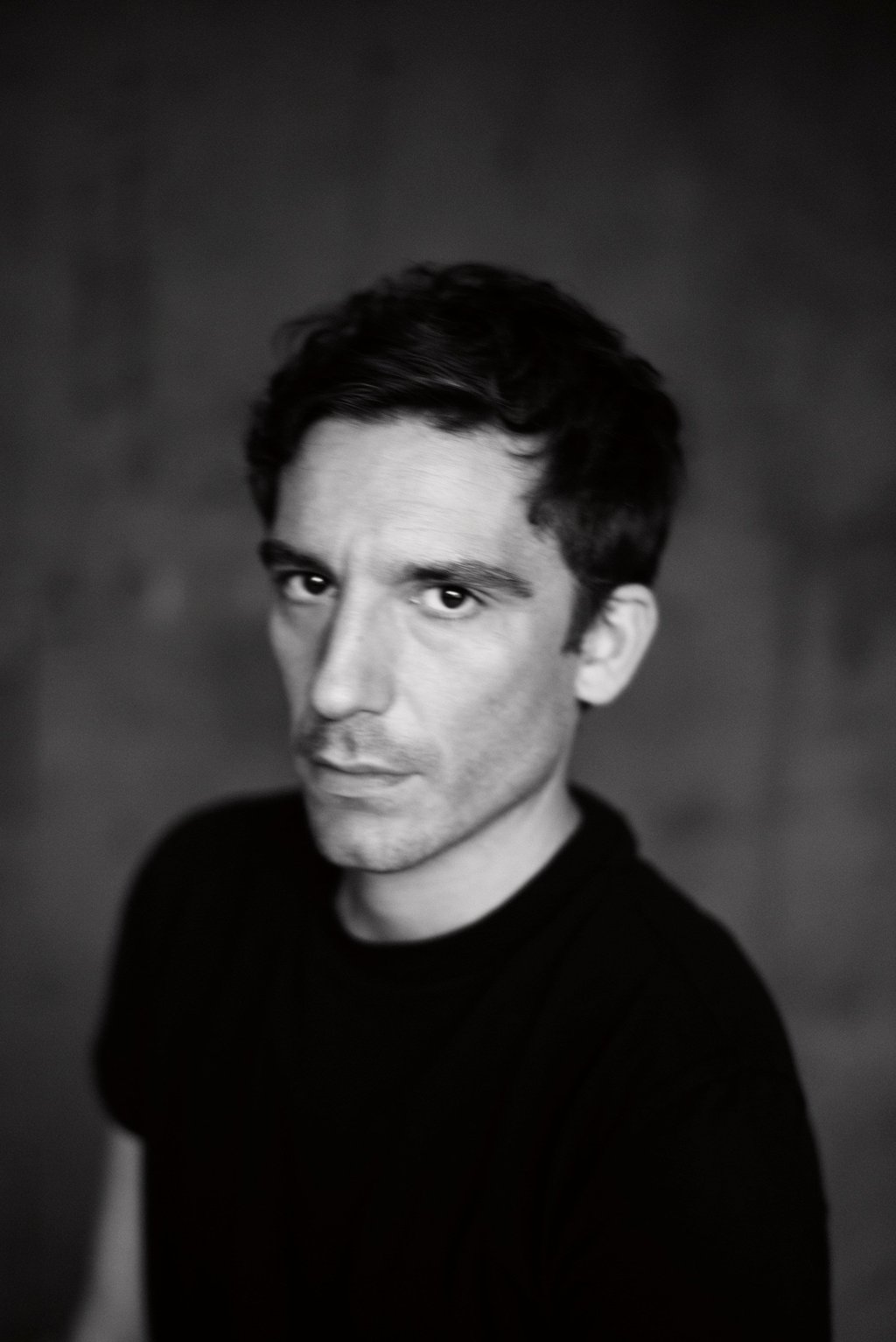
A few weeks out from his Paris Fashion Week spring/summer 2024 show, Julien Dossena, creative director of Rabanne, has butterflies.
“You have that childish feeling like when you are preparing an end of year school show or something like that,” he says laughing.
That 41-year-old Dossena finds this sense of anticipation and joy in his job – one he has now had for 10 years, something of an anomaly in the fashion world where people burn brightly and fade quickly – is testament to just how much he has evolved the brand.
It’s also understandable given it is no small thing to bring a rusty old fashion house back to relevance. Especially one such as Paco Rabanne, founded by the genius and incurably eccentric Spaniard Francisco Rabaneda Cuervo (better known as Paco Rabanne and occasionally as “wacko Paco” for his less-than-conventional beliefs).
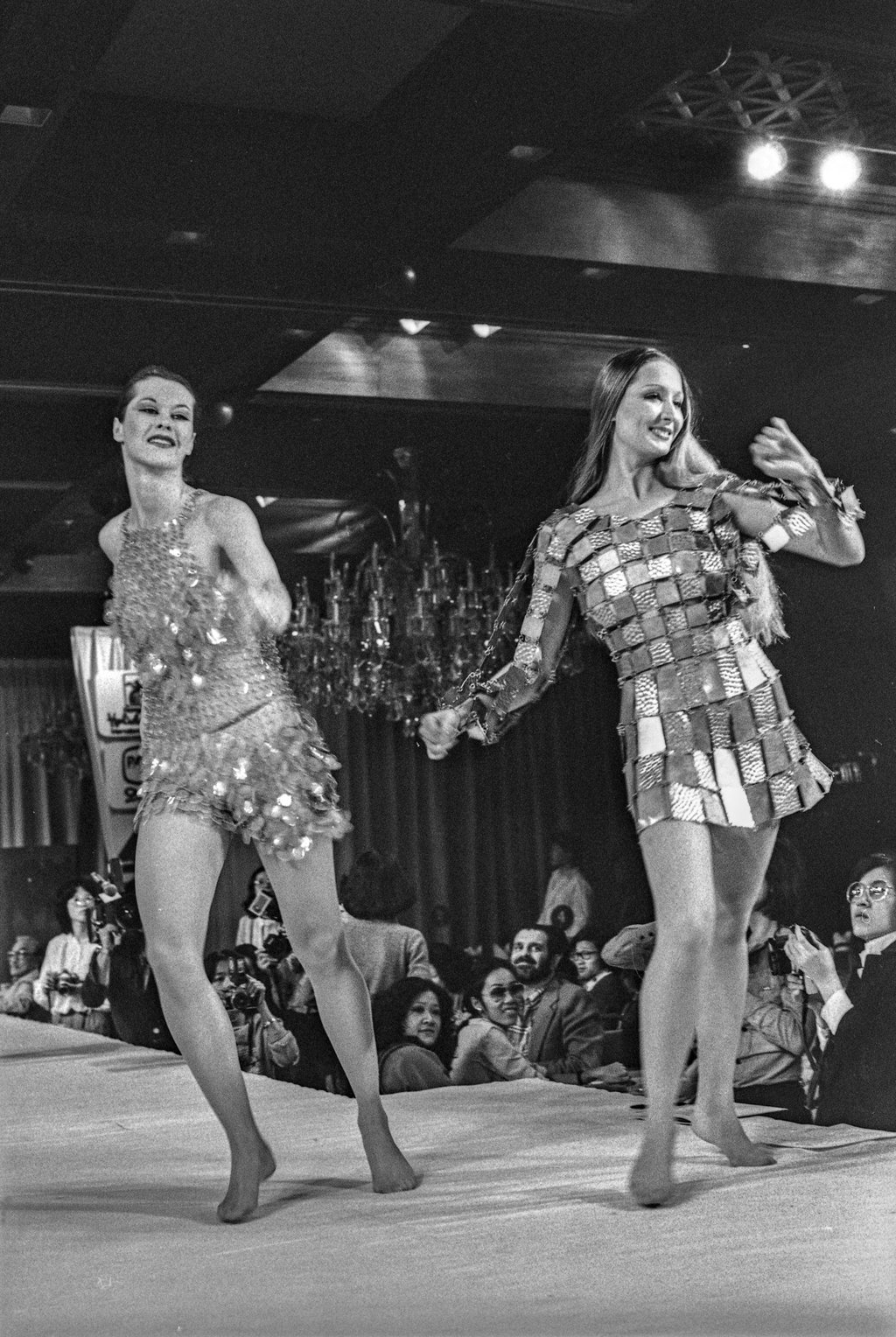
His creations, often calling for pliers rather than needle and thread, were shocking yet sensual, a form of armour for women. Above all they were modern. As Vogue wrote of his work in 1967, “He is constantly working on his idea of redoing the world.[He] feels that there is not one single thing that cannot be reconsidered or redone in a more modern way.”

For Frenchman Dossena, who was 30 years old when he joined Paco Rabanne after working with Nicolas Ghesquière at Balenciaga (another Spanish brand once in need of revival), reminding people of the brand’s influence, and making the clothes desirable again, has been a driving force.
“I was convinced that it was a beautiful name and a beautiful heritage and when we talk about Paco Rabanne, he deserved to be on the scene, to have people perceive that exquisite expression of his,” he says. “So that’s an achievement for me that it’s back on the map and that people know when they’re thinking about Paco Rabanne, they’re maybe not thinking about – especially in France – the guy on TV that was doing predictions … but that he invented and created the dresses of an era and that were so modern and so pure.”