Advertisement
Advertisement
Advertisement
A-listers are turning heads in upcycled looks, from Rosé of Blackpink to Jenna Ortega
STORYGloria Tso

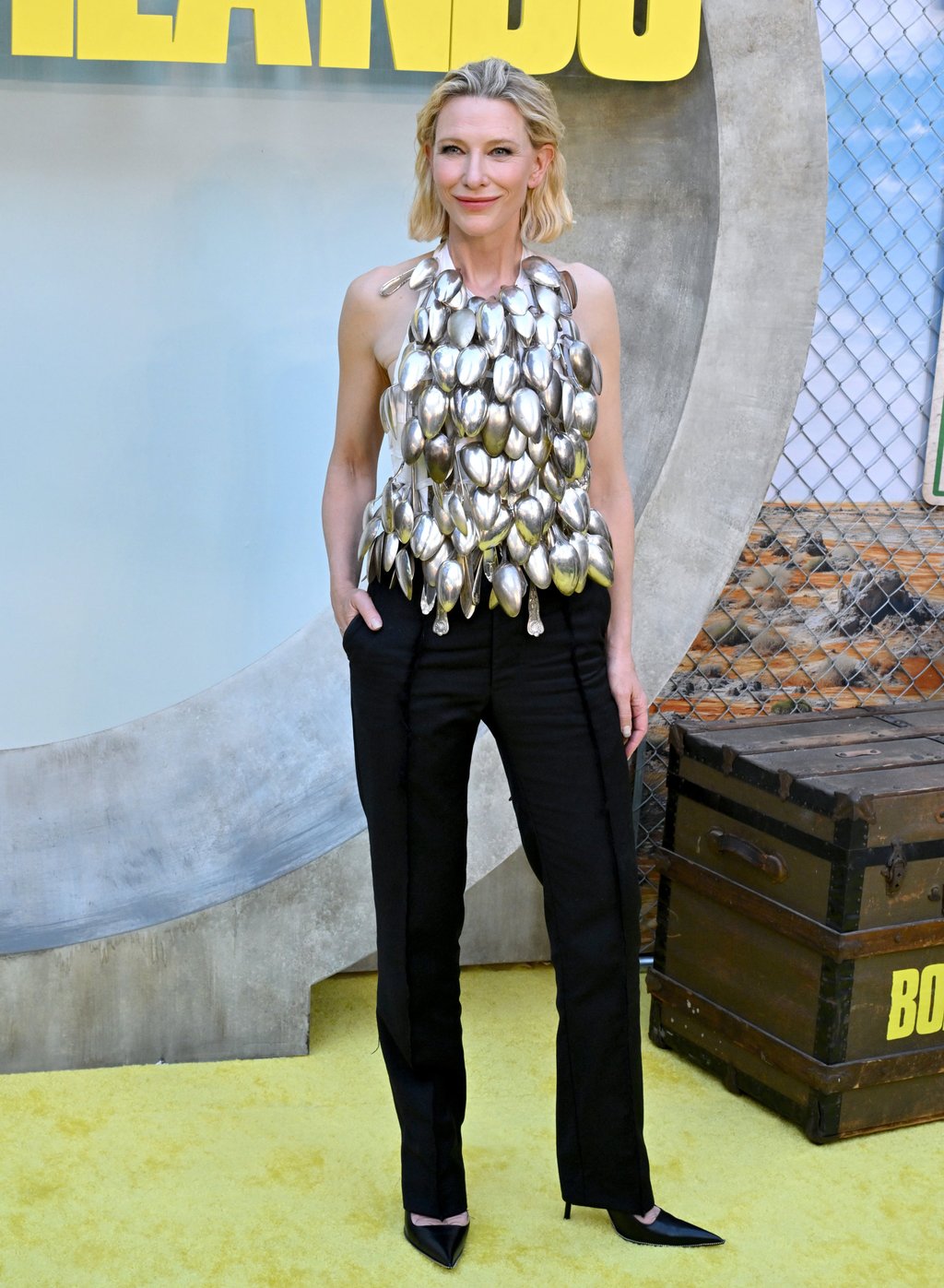
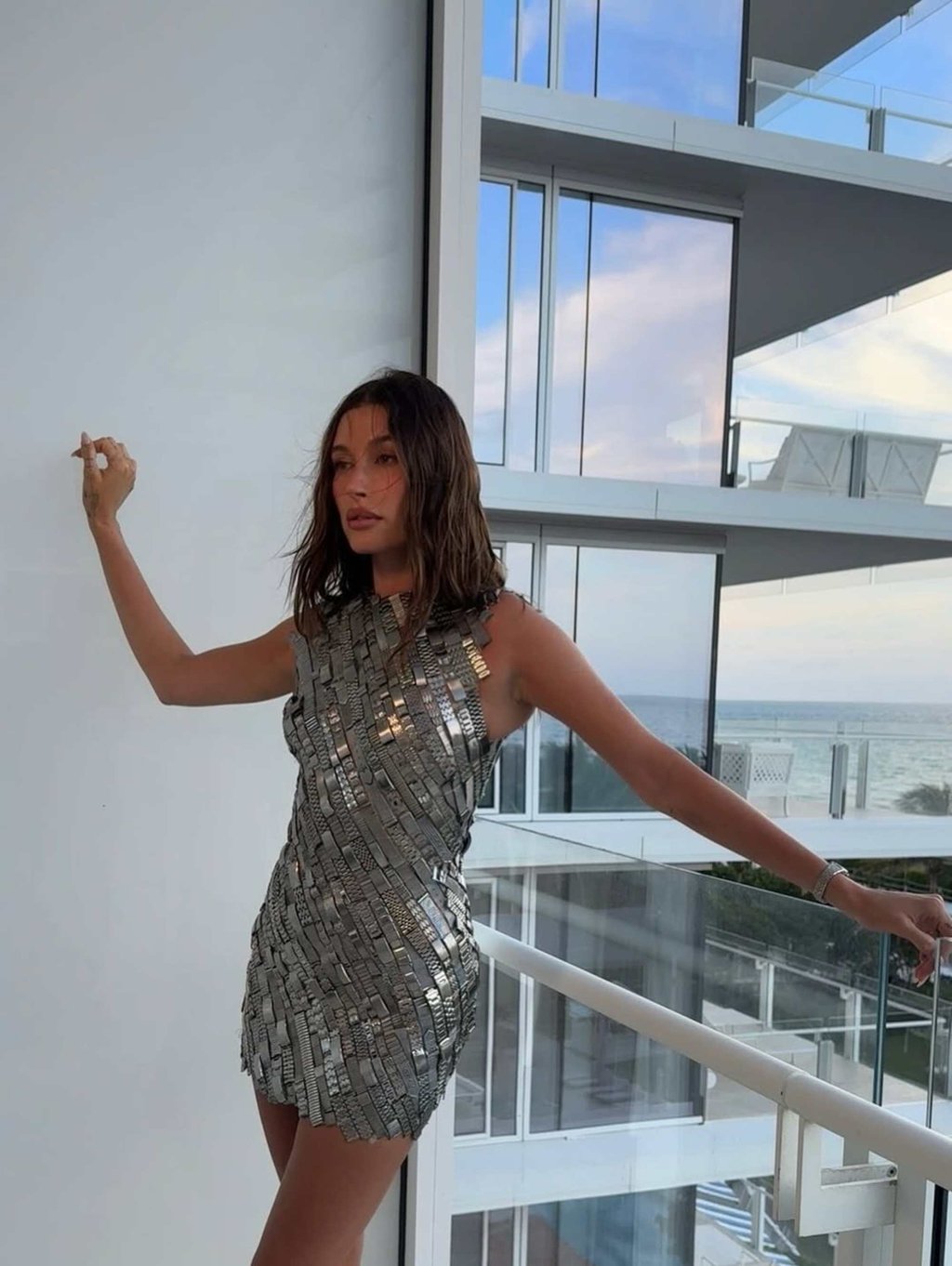
Hailey Bieber and Lorde both wore a dress made from watch straps by Marine Serre, while Cate Blanchett was spotted in a Hodakova halter top made of spoons
What makes a truly powerful statement piece in fashion? For a growing number of designers today, the answer is avant-garde upcycling, a method as much about the subliminal messaging behind an item of clothing as the unusual materials being reused to produce it. Younger labels like Ellen Hodakova Larsson’s Hodakova and Dauphinette by Olivia Cheng have taken off thanks to bold, buzzy designs made with sustainability in mind – think statement pieces made out of everything from recycled and by-product fur and leather, to spoons.
In a remarkable achievement for any young brand, but especially one that largely uses upcycled materials such as existing household objects and not just deadstock fabric or traditionally used textiles, Hodakova was awarded the LVMH Prize last year – a recognition that marked a small positive shift in the luxury establishment’s sentiment towards upcycling, and a vote of confidence, in Larsson’s words, “to show that this business model is working”.
Advertisement
Even designers at the major luxury houses are finding inspiration in found materials from unlikely sources. During his time at Balenciaga, Demna fashioned a gown out of lingerie and a “fur” coat made of shoelaces and other upcycled scraps, among other innovative designs. Meanwhile, the defining statement piece from Daniel Roseberry’s spring/summer 2024 couture collection was a dress adorned with discarded electronics like old mobile phones and other long-forgotten tech gadgets.
More recently, the celebrity PR machine has also been leaning towards upcycled statement pieces. Hailey Bieber stood out at a Rhode event earlier this year wearing a shimmering dress by another LVMH Prize winner, Marine Serre, which was upcycled from over 100 old watch straps. Not long after, Lorde wore that same dress while promoting her latest album, Virgin, and Rosé of Blackpink soon followed suit wearing the same look for a magazine cover story. At the Emmys in September, Jenna Ortega turned heads on the red carpet in one of the stand-out upcycled pieces from Sarah Burton’s debut collection for Givenchy, made from dozens of vintage jewels.
Even before fashion brands began paying attention to upcycling as a business, however, designers like Nicole McLaughlin were already building huge followings on social media for using unusual materials in their work. The American artist does not sell her designs directly to consumers but collaborates with brands ranging from Puma to Gucci, recreating the Italian house’s iconic Diana bag, for instance, out of used volleyballs.
Robin Lordereau, a Paris-based designer who works with labels like Lacoste and won the prize for Best Creative Proposal at TikTok’s inaugural Fashion Competition in France last year, believes upcycling allows aspiring creatives like himself to express their vision “without guilt over environmental impact”. Still, he concedes that despite being a successful platform for sharing his work, social media isn’t enough to build a truly sustainable and profitable brand. “Creating a fully upcycled brand isn’t feasible right now due to high costs and outdated workshops and factories that aren’t equipped for upcycling,” he says. “It will take time for the industry to adapt.”
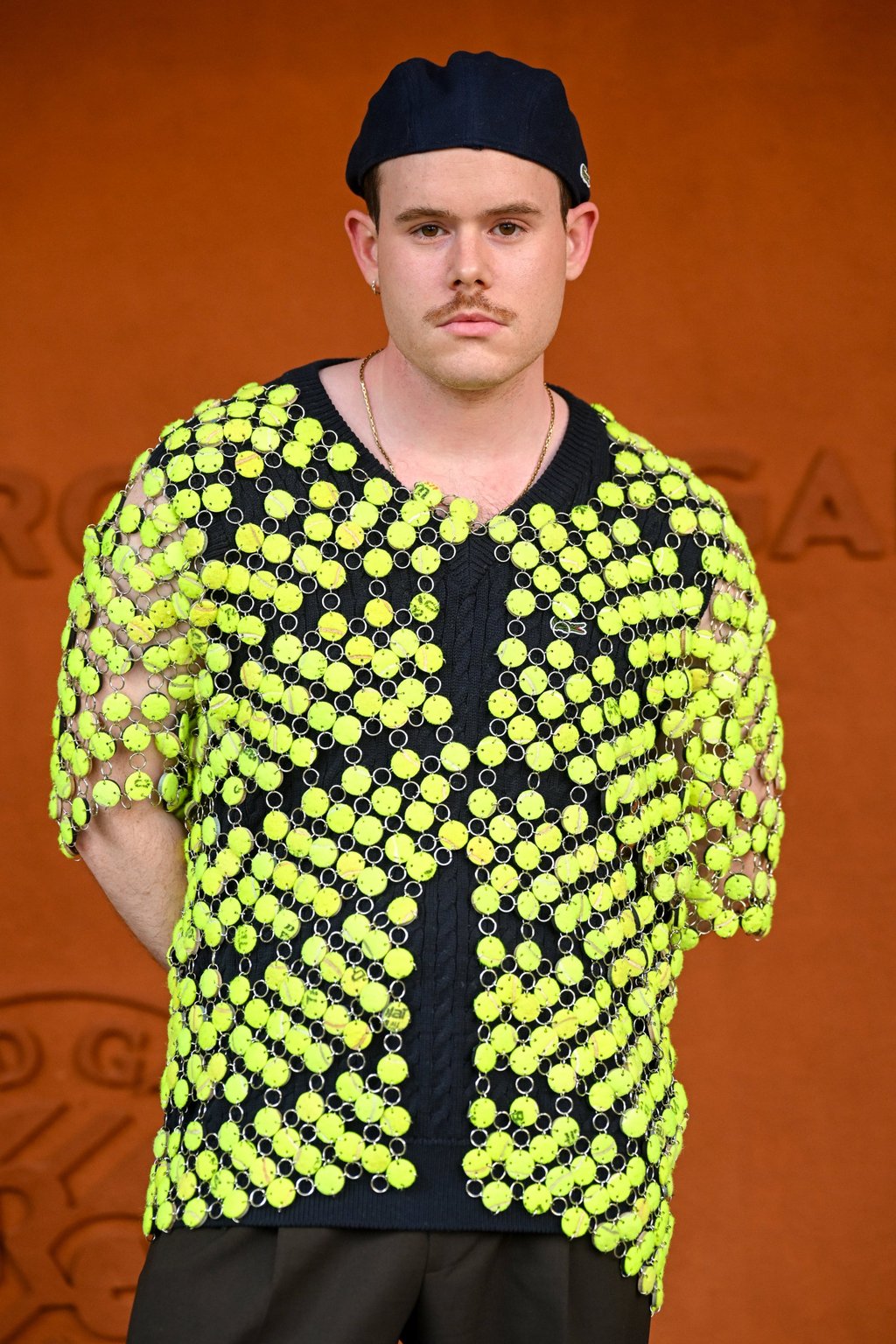
Lordereau further believes only established luxury players such as Maison Margiela are able to afford the “expensive process” of sourcing and upcycling unusual materials on a mass scale, and must lead by example for smaller businesses to follow. “[Designer] Martin Margiela started upcycling before it was trendy,” says Lordereau, “reinventing everyday objects like gloves [and] socks”, a historic legacy that Glenn Martens paid tribute to in his debut pieces for Maison Margiela Artisanal couture earlier this year, made with recycled plastic, upcycled biker jackets and more. Another upcycling pioneer, Alexander McQueen, once paid homage to the underwater world by sourcing mussel, clam and oyster shells straight from the beaches for his spring/summer 2001 collection, Voss.
Select Voice
Select Speed
1.00x