Advertisement
Advertisement
Advertisement
Style Edit: 5 things you didn’t know about Louis Vuitton’s Monogram
STORYSCMP Style Reporter

Over 100 years on, the LV Monogram has become one of the world’s most durable and recognisable motifs – but how was it created?
It’s been 130 years and the Louis Vuitton Monogram still reigns as one of fashion’s most recognisable symbols. What started in 1896 as a clever fix to stop imitators has become a global icon, appearing on everything from heritage trunks to everyday bags.
In honour of this milestone moment, here are five fun facts about the LV Monogram you probably didn’t know.
It’s not the maison’s only star canvas
Advertisement
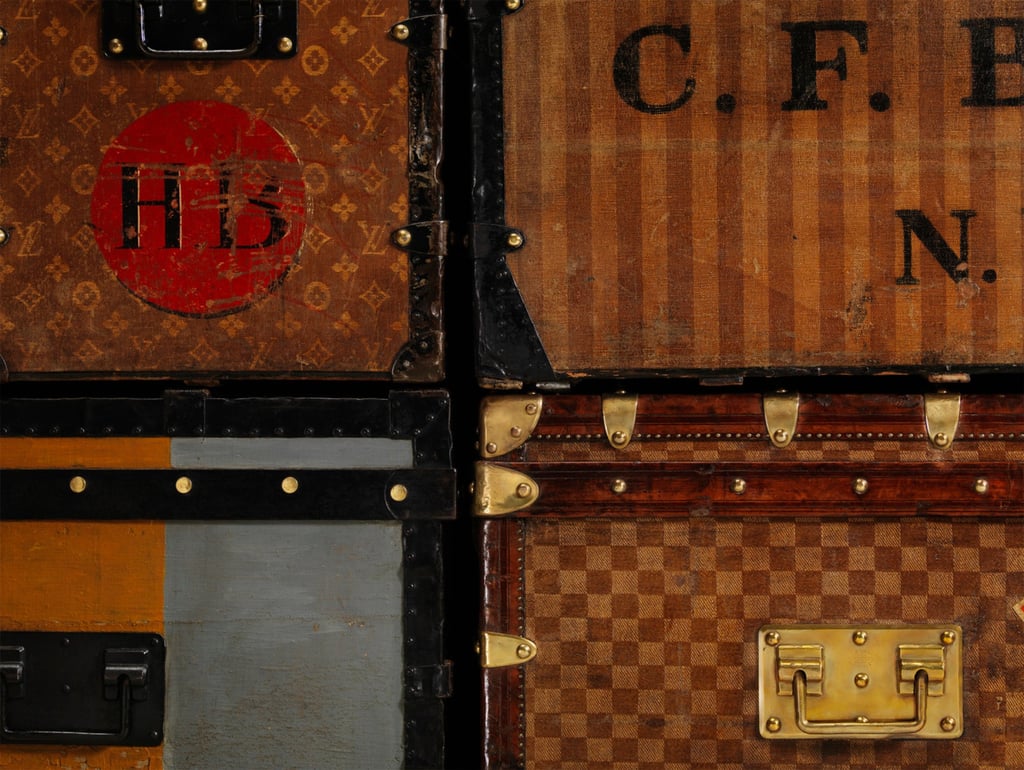
Before the Monogram took over the world, Louis Vuitton’s striped trunks were the must‑have of Paris, but unfortunately fakes popped up everywhere. To combat imitators, the house launched the brown‑and‑beige Damier canvas (French for “checkerboard”) in 1888. It wasn’t until 1896 that Vuitton’s son Georges Vuitton unveiled the LV Monogram to stay one step ahead of the copycats. Today, that Damier pattern too lives on, even appearing in jewellery.
The classic Monogram? Not for leather
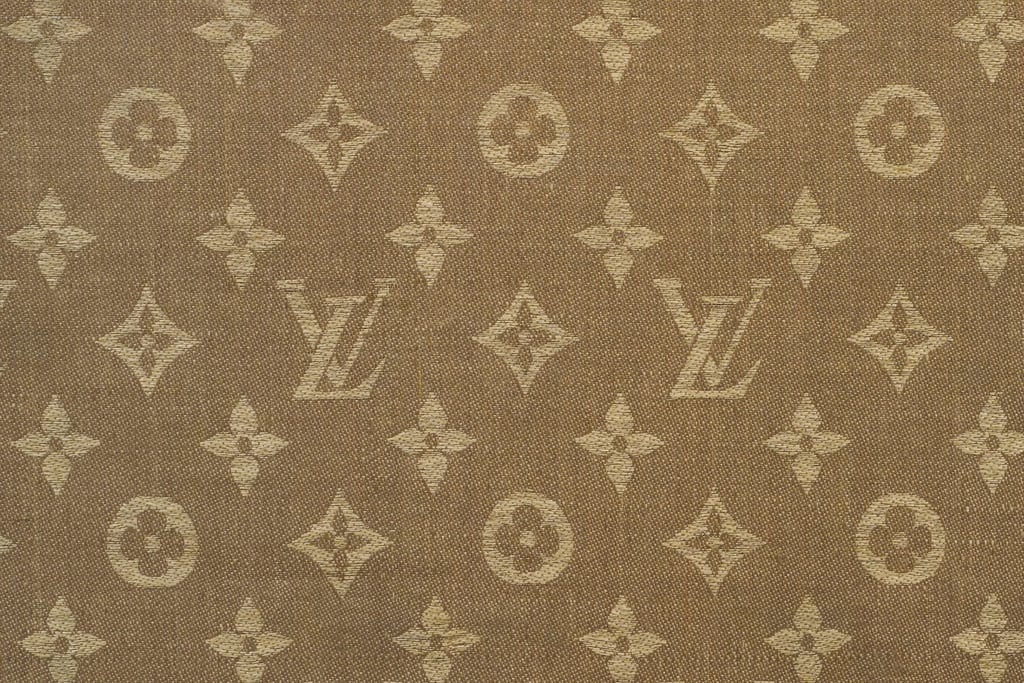
Although some Monogram bags incorporate leather, exotic skins or other textiles in their trim and details, the original monogram wasn’t meant to be printed on hide at all. It’s usually printed on a cotton canvas coated with PVC making for a lightweight, durable and scratch-proof material that’s perfect for everyday wear.
A touch of Japanese flair
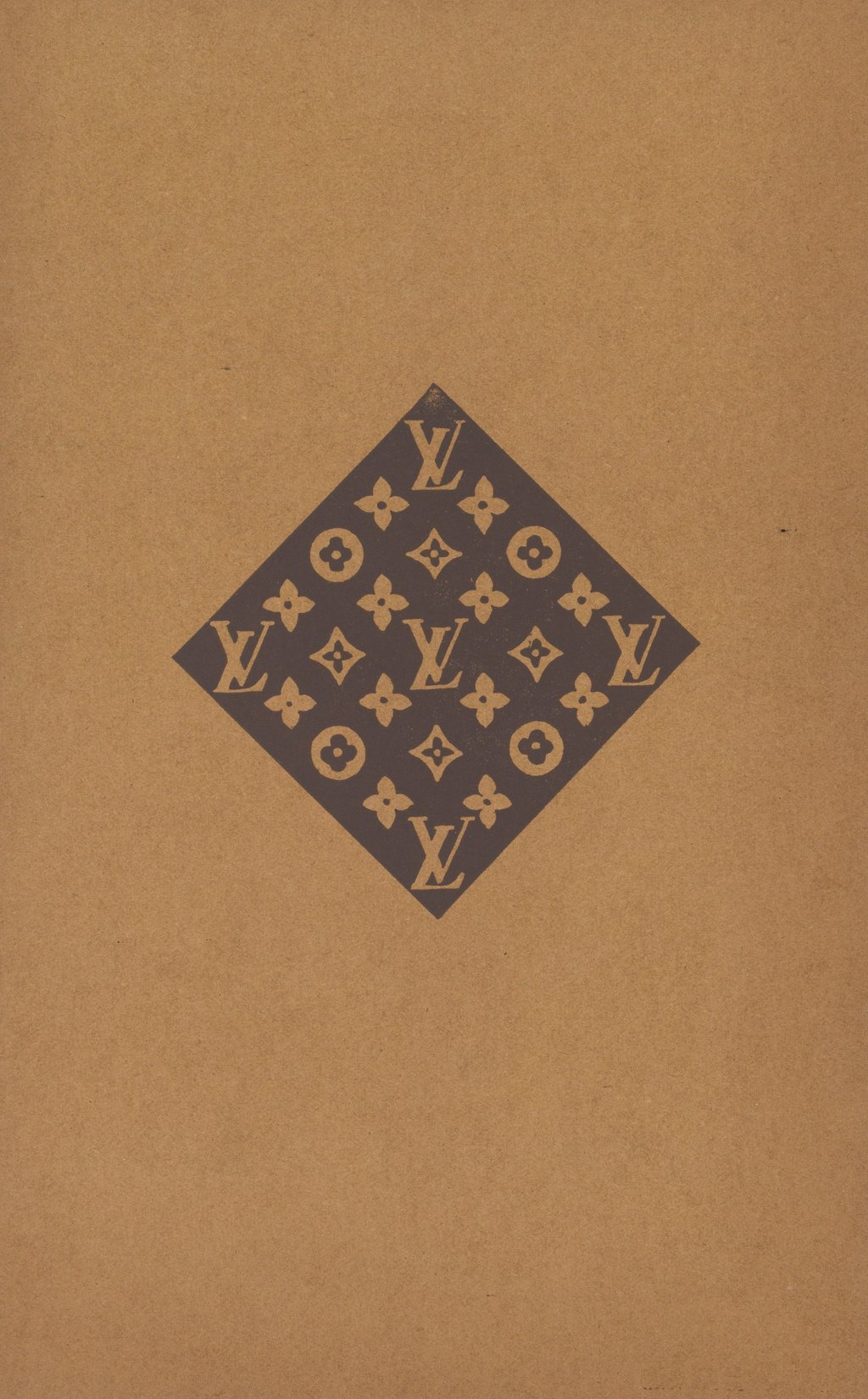
The stylised blooms and quatrefoils that everyone loves were inspired by “Japonisme”, a French term used to describe the late 19th century obsession with Japanese art and design in the West.
Select Voice
Select Speed
1.00x