Is maple syrup water the next coconut water?

The all-new reason to tap maple tree sap
In 2016, coconut water generated US$2.3 billion in sales worldwide.
The makers of a new designer brew — a subtly sweet water tapped from maple trees — want to ride the coattails of coconut water’s success all the way to the bank.
Maple water has captured a modest following since it debuted in 2013. While coconut water still commands 98 per cent of the global “alternative waters” market (which includes water harvested from bamboo, cactus, and artichokes), maple water has made gains. A recent report from food and drink market researcher Zenith predicts the maple water market will triple in size by 2020. It’s unclear how much revenue the category currently drives.
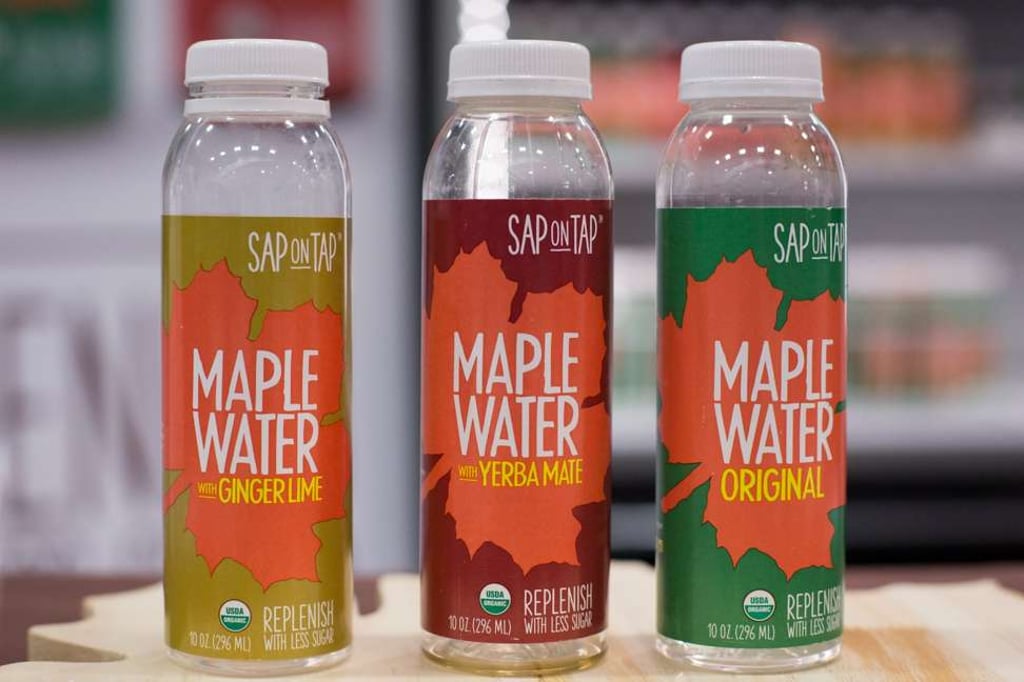
“It’s not coconut water, yet, from a category-size. We all like to hope that it gets to be that big at some point in time,” Mike Roberts, vice president of sales at Sap on Tap, tells Business Insider. The company, founded in 2015, sources water tapped from maple trees on farms across the Northeast.
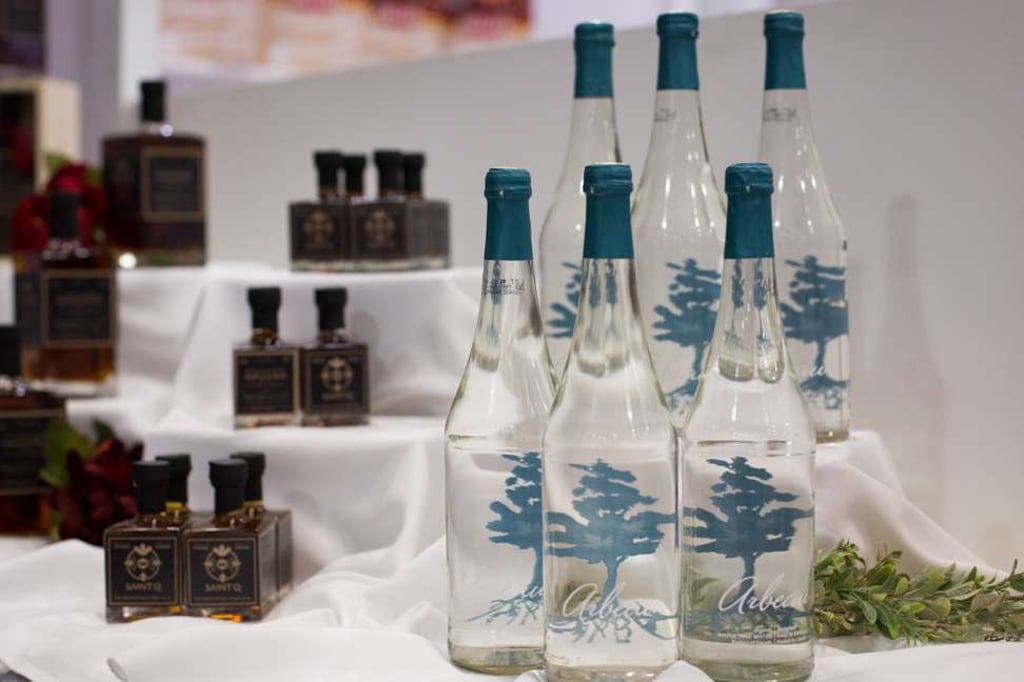
Arbeau, a luxury line of maple waters available in tap and sparkling, launched in 2016 in Canada. The brand’s creator, Leanne Pawluk, likens the product to wine. Each batch will take on a slightly different flavour profile, just as wines change season to season.
When I first tried maple water, I expected to taste a sugary syrup similar to what I pour over pancakes. Instead, sipping from a Dixie cup of Sap on Tap water was refreshing. The clear liquid tasted like normal water with a spot of honey — sweet, but not as sugary as a Coca Cola.
Each spring, maple tree farmers tap their trees to catch the maple water, which is also known as sap. That liquid — made up of about 98 per cent water and 2 per cent sugar — gets boiled down until it becomes the sticky-sweet staple of breakfast foods, according to Michael Farrell, a maple specialist at Cornell University. It takes 40 gallons of sap to yield one gallon of maple syrup.