Ice in all shapes and sizes is revamping the drinks scene

The theory behind which ice goes into what cocktail – and why
Those rectangular cubes coated in frost, smelling faintly of the frozen fish they’ve been hanging out with? The cloudy, oblong lumps that your refrigerator’s machine belches into a bin, terrifyingly, in the middle of the night?
Honey, those are so 1992.
If you’ve spent any time at all in good bars over the past decade, you have probably noticed we’re in a new Ice Age - one that has accompanied the rest of the craft cocktail movement’s directive to think more deeply about the quality of what’s going into your drink. Good spirits, fresh juices, lovely liqueurs and artisanal bitters all may be for naught should the cubes used to chill them melt too much or carry a whiff of halibut.
There’s a whole theory behind which ice goes into what cocktail and why, and how that ice should then be treated. It has to do with desired degrees of chill and dilution, as well as aesthetics. James Bond might have saved England from glowering henchmen and sinister Persian kitty cats a hundred times, but he undermined the perfect martini for years with his infamous “shaken, not stirred” order.
(If you take nothing from the following ice-ucation, remember this general rule: Don’t shake martinis, Manhattans, Negronis or any cocktail whose sole components are booze-based. Shake the ones with something else added - fruit juice, dairy, eggs - where the icy aeration of ingredients with unlike textures does good things for the consistency of the drink. Part of the appeal of a great martini is its cold, unruffled smoothness; it should slide from your mixing glass like a silk negligee puddling to the floor.)
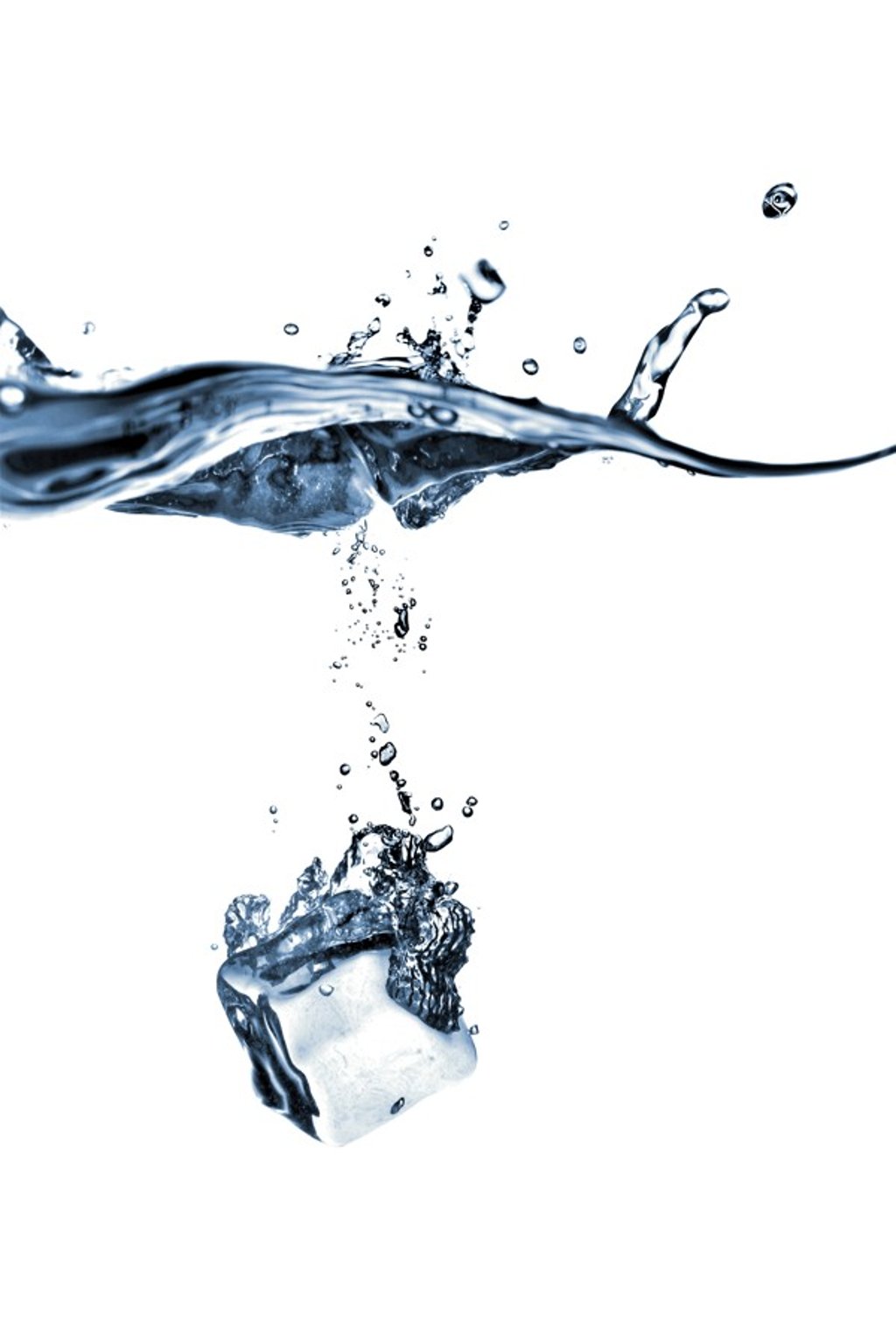
Nowhere is the evolution of ice clearer, literally, than in the large, perfect cubes and spheres that you’ll find in many craft cocktail bars today. A large cube melts more slowly than a small one; a cube without tiny air bubbles trapped inside is not only clearer and more aesthetically pleasing, but also less inclined to crack in a drink because of those minute imperfections, says cocktail writer Camper English of Alcademics.com.
There are now artisan ice companies in multiple cities, some (such as Washington’s own Favourite Ice) run by former and current bartenders who saw the market growing and decided to fill the niche. Most of these companies have invested in a Clinebell machine, which produces massive blocks of clear ice that can be sculpted into SpongeBobs, naked wedding cherubs and cocktail ice cut to size. The machine makes clear ice by freezing its blocks from below, using a pump to agitate the water up top and free air bubbles that would otherwise get trapped in the ice and create cloudiness.
Home freezers don’t work that way, and those looking to get clear ice at home have to exercise some real dedication. Few have spent more time in the quest for the perfect cube than English, who, when I contacted him to chat, was awaiting the delivery of an extra freezer to his one-bedroom apartment in San Francisco, “because I am dumb and need more dedicated ice space.”
English has been messing about (in a calculated, scientific manner) with ice for years, testing various methods to get clearer ice out of a standard home freezer. Boiling the water, which many bartenders had argued would rid it of the impurities that cause cloudiness, turned out to be unhelpful.