Why Camembert, one of the world’s great cheeses, might soon be extinct

It’s the second-most-popular cheese in France. But genuine Camembert might soon disappear
On the face of it, Camembert doesn’t seem like an endangered species.
In fact, the soft-ripened cheese seems like the opposite: Three hundred and sixty million wheels are produced annually in France. It’s ubiquitous in the US with the cheese and crackers set, and the second-most-popular fromage sold in French markets. Trader Joe’s even hawks “Camembert Cheeese & Cranberry Sauce Fillo Bites” (the three e’s in cheese are purposeful). But if you’re a connoisseur of the cheese spelled with just two e’s, then you’re looking for a wheel made to the exacting specifications that allow it to be stamped PDO—the French label that signifies provenance from a specific region in France, made in an historically accurate way. That cheese is called Camembert de Normandie, and its increasing scarcity means we’re keeping our eyes glued to its curd. You should, too.
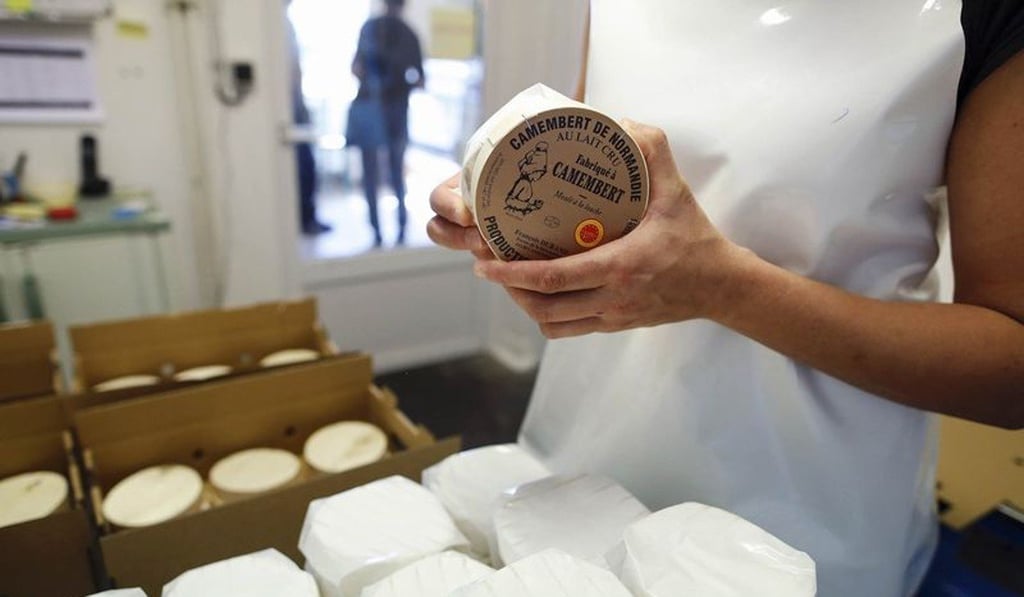
Like its even better-known relative, Brie, Camembert is a soft cheese. When you see it on a fancy cheese platter, you’ll recognise its thick, creamy centre. If your party hosts have left it out long enough, it will be squeezable. (Brie, on the other hand, will be runny.) The rind, which you must eat, should appear to have a little brown mottling. Too brilliantly white and you’re eating an industrial version. (Of course, too much brown and it’s past its prime.) Cheese experts get a bit swoony when you bring up Camembert and the descriptors are as funky as the culture: “mushroom,” “butter,” “cream,” “truffle,” and “stewed cabbage.” Believe it or not, stewed cabbage is a good thing.
A PDO Camembert de Normandie must be made with unfiltered raw milk with a fat content of at least 38 per cent that comes from cows from France’s northern Normandy province, fed under strict conditions—grass and hay from local pastures. The milk must be hand-ladled in four or more layers into specific moulds. Milk is transported no farther than the distance that cows can slowly dawdle in search of a fresh blade of grass.
If this is the cheese you’re seeking, particularly outside of France, then good luck. Today, only four per cent of the 360 million wheels produced annually—just a little over one per cent—are the real deal, and, as small farms are scooped up by the big guys, the number is rapidly dwindling.
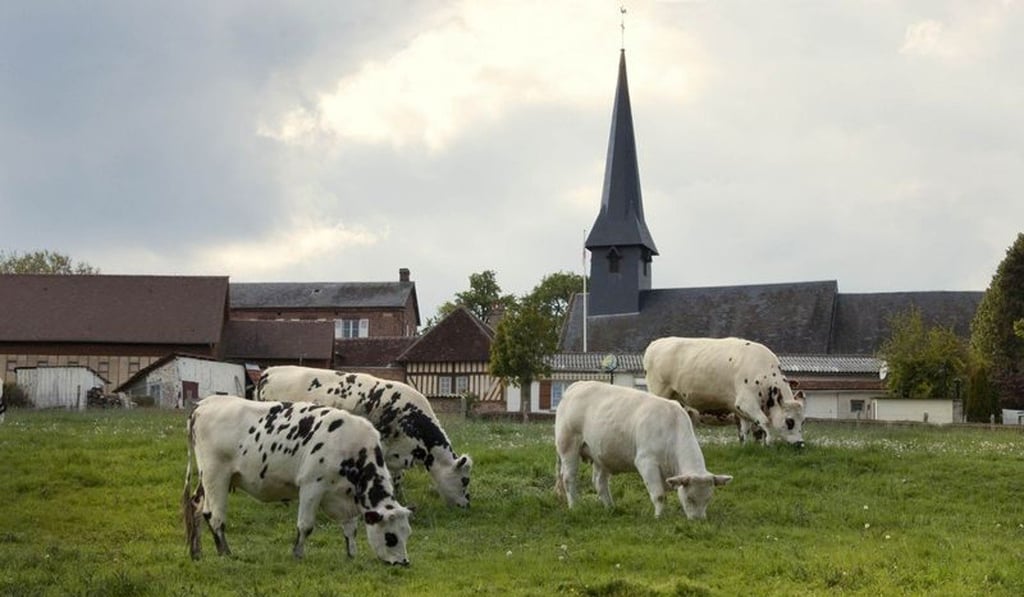
Today you can count on just a few fingers the the farmstead operators (cheesemakers who also tend to the animals that supply the milk) who are making Camembert to the exacting nature of the PDO stamp. A decade ago, that number was greater. All three—La Ferme du Champsecret, Domaine de Saint Loup, and Fromagerie Durand—are in Normandy. They are the gold standard of Camembert. And they exist for as long as the fickle laws governing raw milk cheese sales allow them to.
Why aren’t there more small, farmstead Camembert makers? Because in 2007 there was a cheese war. Several large-scale Camembert producers (names some people might recognise: Lactalis and Isigny-Sainte-Mere) pushed to cut corners. They went to court to change the rules. Instead of raw milk, they asked, could they use pasteurised milk? Pasteurised cheese is cheaper to make because producers can use multiple milk sources and make the cheese in larger batches, creating a cheese with less variability that’s easier to handle. Small producers, who wanted to stick to the old way, wound up on the opposite side of the battle.