What you need to know about champagne (and other sparkling wines) before you buy

Champagne, crémant, cava, franciacorta, prosecco, petillant-naturel … we give you the lowdown on all the sparkling stuff
All that sparkles is not Champagne. You may be forgiven for passing off a cheaper fizz as Champagne at your holiday party – I, for one, will not reject your hospitality. And there are some sparkling wines from around the world that reach Champagne levels in quality. But if you wonder why your wine fiend friend arches his eyebrow when he sticks his schnozzle into a glass you just poured, here’s a short primer on the basic categories of bubbly.
Champagne
The real stuff comes only from the Champagne region of northeastern France. The champenois were so successful at marketing their product that “Champagne” became synonymous with bubbles. They also unfortunately marketed and priced themselves into a niche as a luxury item for celebrations, not for dinner. Champagne is special because the second fermentation – which produces the bubbles – is done in the bottle. This produces the fine “bead” of bubbles characteristic of Champagne and helps develop more flavour than the tank fermentation method used on less expensive bubblies. Many sparkling wines around the world follow the Champagne method, so much of this discussion applies to those wines, too.
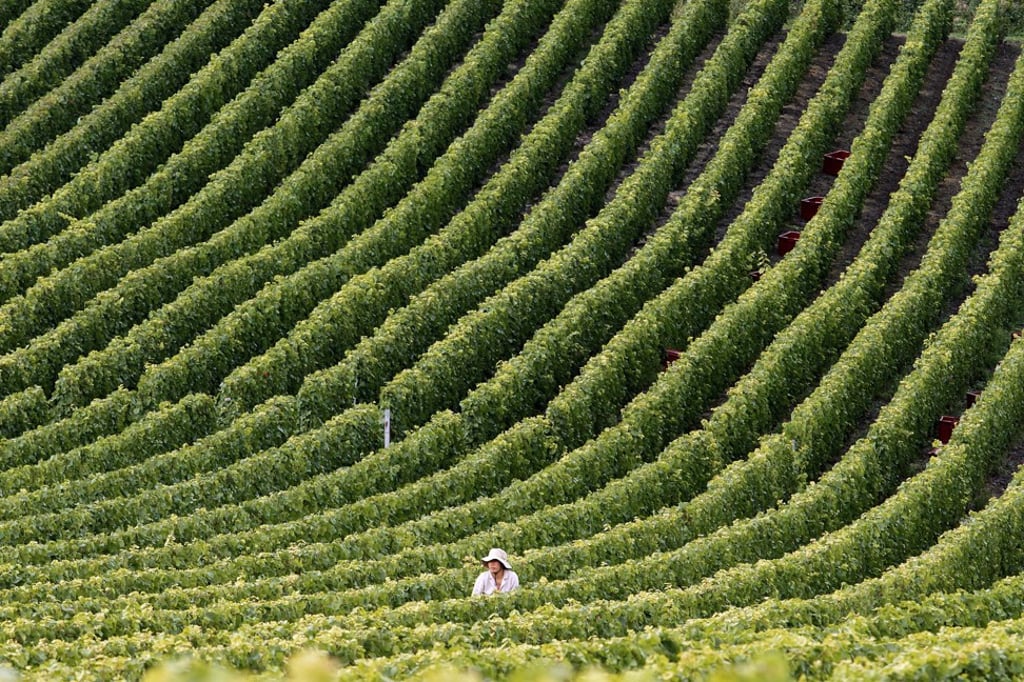
Most Champagnes are made from three grapes: chardonnay, pinot noir and pinot meunier. The latter two are red, but since the juice is separated immediately from the skins (where the colour is), the wines are white. A blanc de noirs is a white wine made from red grapes, often just pinot noir, while a blanc de blancs is entirely chardonnay (and almost always exquisite). A typical bottling is “nonvintage,” or sometimes now called “multi-vintage,” meaning it is a blend of wines from several years. Producers keep wine in reserve to give their blends consistency and a character of age. In good years they “declare” a vintage and produce a wine from just that year.
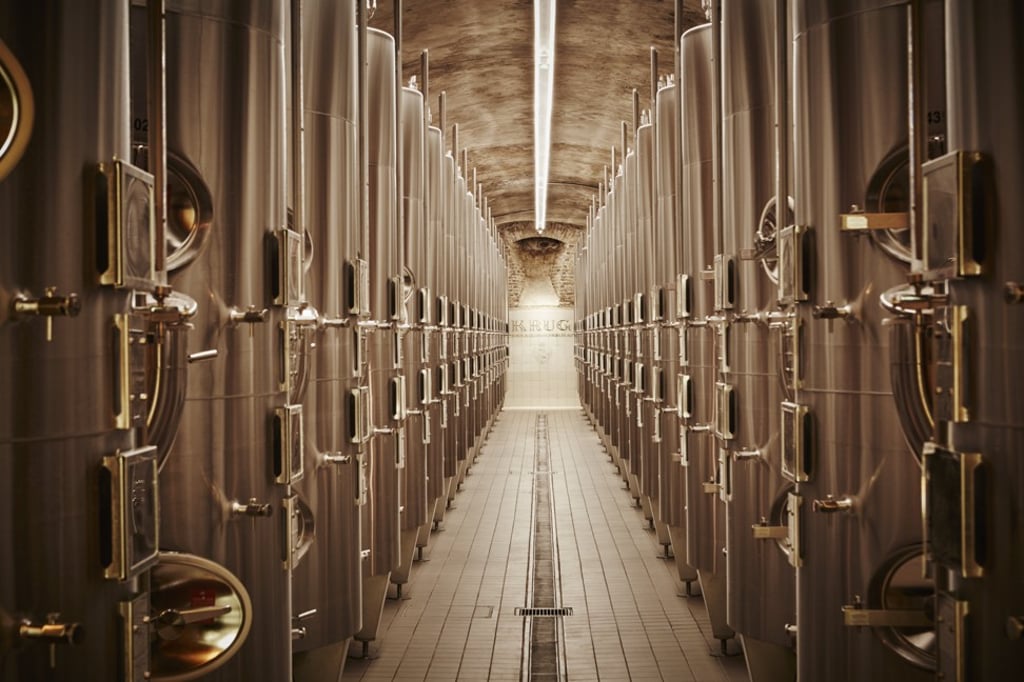
The vast majority of champagne is made by “houses”, which buy grapes from smaller farmers. These are the familiar labels such as Veuve Clicquot, Mumm, Ruinart, Bollinger, Moet & Chandon. There’s nothing wrong with these wines, and many are fantastic. But the trend in the past 10 or 15 years has been for “grower” Champagnes – wines made by the farmers who grew the grapes. These are supposedly more expressive of place and the personality of the winemaker, and they can be good value. The house vs grower debate can be ideological; I’ve been trying for years to decide where I fall on this divide, and darn it, I just love them all.

Another trend: Champagne is becoming drier. Brut, or dry Champagne, is now joined by extra brut (drier) and brut nature (Saharan). Sweeter demi-secs, already hard to find, are increasingly rare.
You can find decent Champagne for around US$30 – Nicolas Feuillatte is an example – and good Champagne from US$40 and way into the triple digits. The higher-end can be mind-blowing.