Should gnocchi ever be made without potato? Is it even pasta, and should it be fried? The true origins of Verona’s ‘light, fluffy pillows’

Believed to date back to Ancient Rome, the soft, doughy dumplings known as gnocchi are a trendy alternative to pasta – but have we been eating them wrong all along?
“The city of love” is the phrase often used to describe Italy’s Verona, but for many, especially the Veronese, it is (also) the city of gnocchi.
Every year, on the last Friday before lent, it hosts the Venerdì Gnocolar, or Gnocchi Friday.
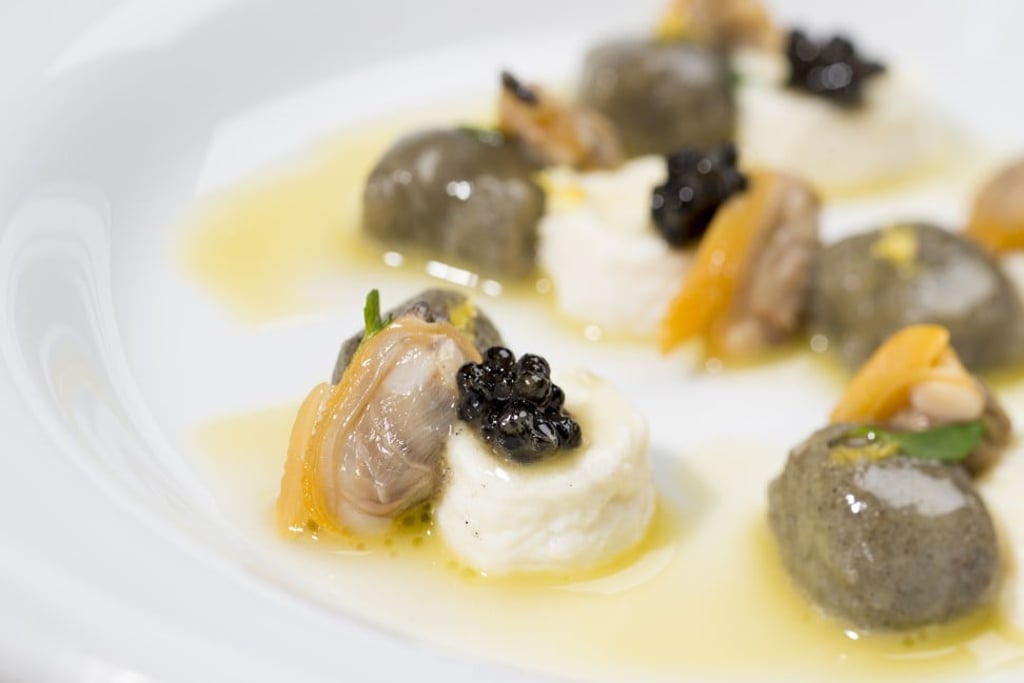
“Also known as Bacanal del Gnoco, it is the most awaited event of the Carnival of Verona. It features a parade of masked figures, including Papà del Gnoco, who holds a giant golden fork with a big gnocco on top. At the end of the colourful parade, he distributes hot potato gnocchi dishes to everyone,” explains Giancarlo Perbellini, chef and owner of Verona’s two Michelin-starred Casa Perbellini.
It is said that this tradition came about due to a famine in 1531, which resulted in a scarcity of food and prohibitively high prices for flour. Riots followed, only ending when a collective of wealthy citizens distributed flour to the masses. One in particular, Tommaso da Vico, wrote in his will that each year part of his wealth should be used to distribute wine and ingredients for making gnocchi. This led to the tradition of making and eating gnocchi on the last Friday before lent, morphing over time to become an important element of the annual carnival.
Incidentally, Verona was where I first experienced gnocchi befitting of its desired description: light and fluffy pillows.
History and origin