Tokyo 2020: Why Hong Kong athletes Tiffany Chan and Lee Lai-shan find meditation and mindfulness essential to their preparations

Hong Kong Olympic golfer Tiffany Chan uses meditation app Headspace, while Rugby Sevens pro Salom Yiu employs self-talking and visualisation – because to unlock your true sporting potential, it’s vital to train your mind, as well as your body, for success
As the countdown to the 2020 Tokyo Olympic Games kicks in, athletes all over the world are fine-tuning themselves – physically and mentally – ahead of the competition of a lifetime.
Preparation can often take more than a decade, with gruelling hours spent in training, competition and recovery. There is no honour greater than representing your country, and no stage larger than the Olympics, and athletes will go to extreme lengths to qualify for the games.
The modern athlete places increased emphasis on finding a balance between training and emotional well-being. That means for every moment of excitement and pressure during play, they must find time to simply reflect and focus.
Hong Kong’s Tiffany Chan, an EFG Global Sport Ambassador, is trying to qualify for the Olympic Games for the second time. Her first taste of the prestigious sporting event came in 2016 when she became the first Hong Kong golfer to qualify. Now aged 26, Chan hopes the Rio Olympics left her with the confidence and experience she needs to qualify for Tokyo.
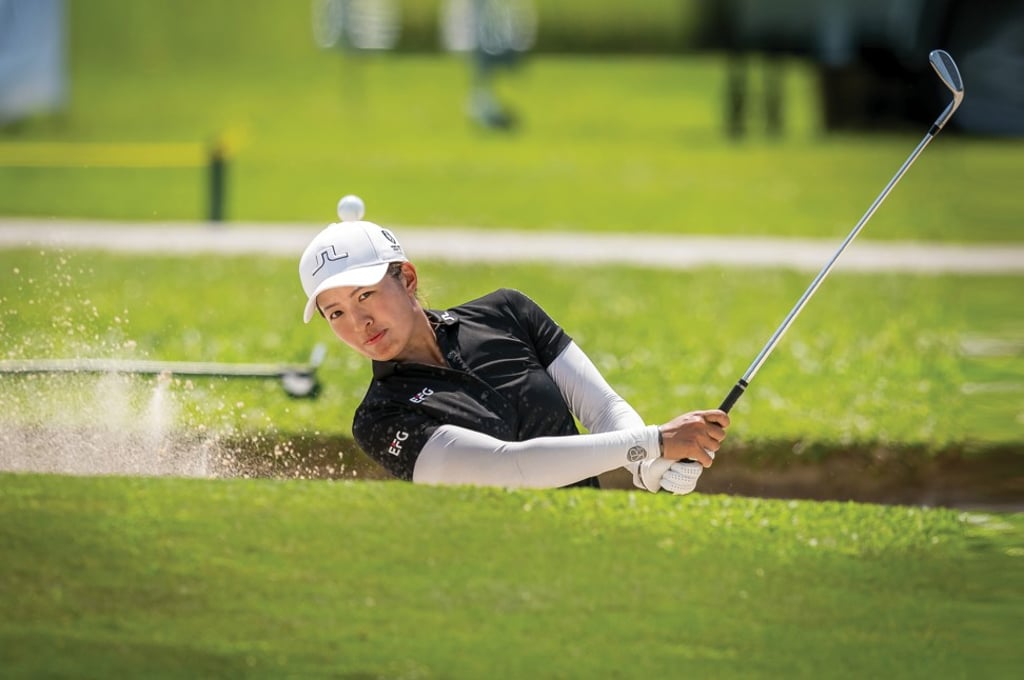
The road to parading the bauhinia flower flag at the opening ceremony is one that takes years of strategic preparation, both mental and physical. “Planning is super important,” says Chan. “So much of my time is about planning ahead, thinking about what I should do.”
And it’s not always just about pushing one’s limits, either. Often success is achieved when an athlete is also able to find solace in their downtime. “Usually [each week] I give myself a day for doing nothing at all. So I’ll probably do something fun, maybe watch a movie, hang out with friends, but at least I have one day to do that.”
Chan is among the growing number of athletes who increasingly appreciate the impact their mental health has on their athletic performance.