What to expect at a traditional Malay wedding ceremony – a beginner’s guide for the clueless guest or unfamiliar foreigner
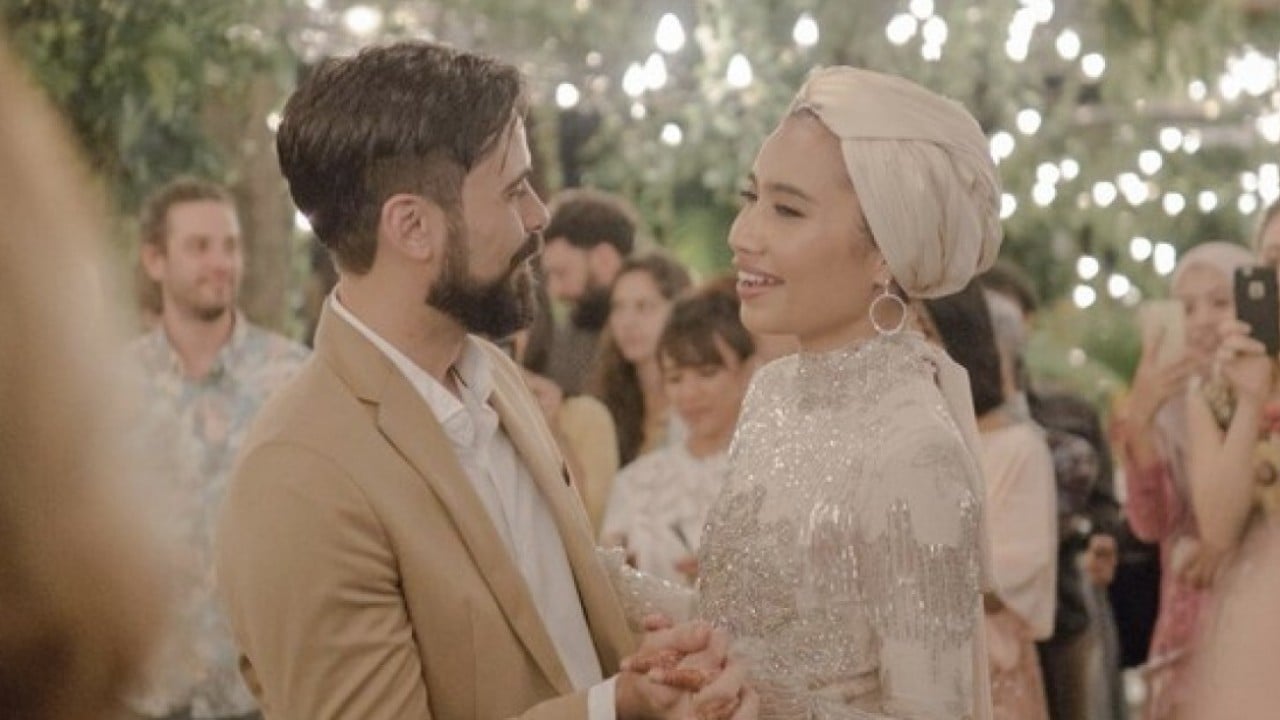
Do you know what’s going on? No one does – but you’ll get the gist quickly with our dummy’s guide to customs, conventions, dos and don’ts
To the uninitiated, Malay weddings appear as lavish celebrations comprising multiple events that seem to go on forever, rooted in customs derived from a range of rich cultural sources and with a confusing set of rules and regulations – in short, a complete cultural enigma. Well, enigma-no-more; we're here to give you a little step-by-step insight into what goes on in a Malay wedding.
Pre-wedding customs
Merisik
Although the direct translation from Malay to English is “spying”, this stage is better known as the “viewing” of the woman by the man, typically carried out by the young man's parents or relatives to explore her background, interact with her family and gauge the availability of the woman. In Islam, it is forbidden for a man to make a proposal to a woman who is already prevailed upon to be married, so this stage allows him to avoid this little blunder. This stage is increasingly becoming something of the past as in our modern society, women and men are ordinarily acquainted with each other beforehand.
Meminang
This is the proposal; once parties are committed to one another, a date and time for the engagement is set and the exact amount for the duit hantaran, or dowry tray-gifts, is agreed upon.
Adat bertunang
This is the engagement ceremony. Typically in the setting of a big feast, the aim of this event is to put a ring on the bride-to-be's finger – usually done by female representatives of the groom (either the mother or a sister) – and the tray-gifts are exchanged, which makes the engagement official.