Opinion / I stayed in 50 hotels in 2019 and don’t remember any of them – why high-end restaurants and luxury resorts need to learn the art of storytelling to survive

- Even the most gorgeous hotels in the world’s most glamorous locations will fail to make an impression if they don’t create magic for their guests
- In a world where luxury has become a byword for consistency, the hospitality industry needs to do more to wow clients and win them over through storytelling
This article is part of Style’s Inside Luxury column.
I invite you to do this simple exercise: think of all of the hotel experiences you’ve had in the last three years. How many do you remember? How many blew your mind? How many made you want to come back for more?
Now do the same exercise for restaurant visits – let’s say over the last 12 months (Covid-19 allowing, depending on where you are of course). How many do you remember? I mean really remember, specifically for the magical experience they provided. The chances are high that the number is zero. And if it is not zero, it is likely to be in the low single digits, hence close to zero.
Luxury is about surprising, inspiring, innovating, and making people feel special, not about meeting expectations
A few weeks before the pandemic, I was invited to be the keynote speaker at the Awaken Luxury Hospitality conference in Bali. On the flight over from San Francisco, I reflected on this precise question. I had stayed in about 50 hotels in the prior twelve months in global cities like Hong Kong, Shanghai, Tokyo, Seoul, Paris, Nice, Düsseldorf, Munich, London, Geneva, Moscow, Philadelphia, Miami and New York.
The typical length of each stay was one to four days, depending on the project. I also must have dined in 150-200 restaurants for business lunches or dinners within the same time frame. Most of the hotels were nicer ones and the restaurants included top-rated Michelin-star locations, which is why I was expecting a lot of positive data points.
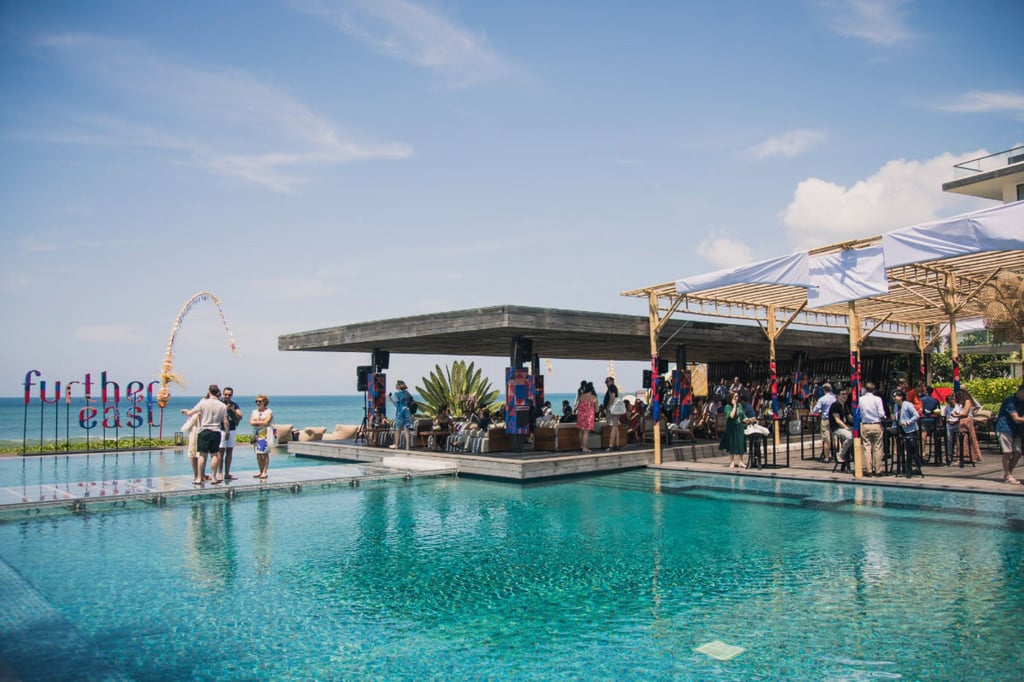
The answer was shocking. I could hardly remember any experience. And this made me pause. I decided to make it the topic of my keynote presentation as a wake-up call for the audience of luxury hospitality leaders. The question was why? Why do we forget luxury experiences?
The answer is because, in many cases, they are not truly luxury experiences, even if the places think that what they offer is luxury. Instead they provide solid experiences, at best. They may offer stunning architecture and in many cases a proactive, very friendly service too. The food will also be really good. So why do we not remember? Because we simply expect all of this. We expect that a restaurant serves good food, or a hotel room looks gorgeous. We expect that the service is friendly. We expect the food to taste great or the beds to be comfortable. And when we expect it, it’s priced in. Luxury is about surprising, inspiring, innovating, and making people feel special, not about meeting expectations.
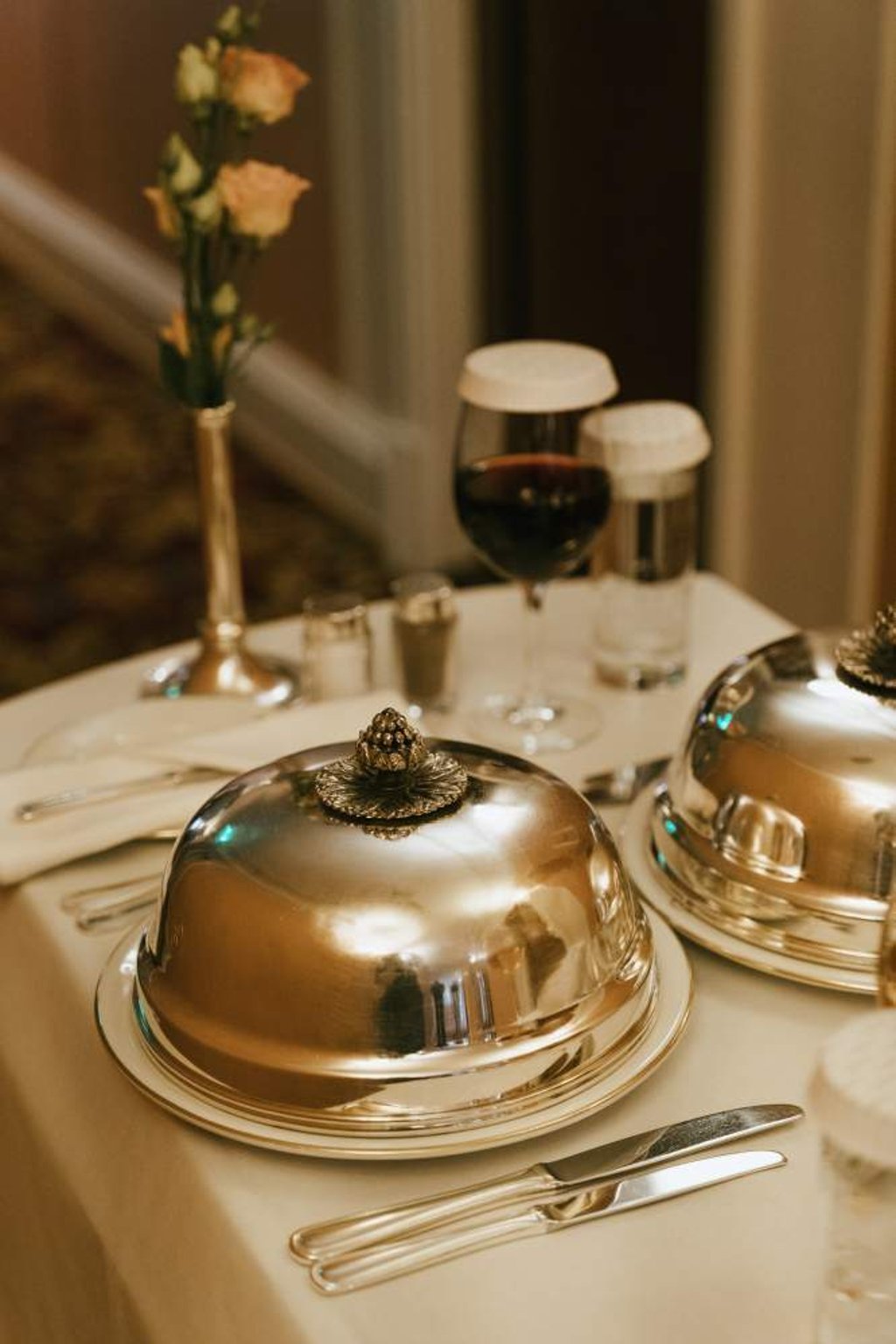
When there is no memory, there is no value. And you practically never create a memory just with a beautiful place or just great food. We have seen too much of that at this point in our lives. The real difference is how we make people feel. But only if the way we make people feel differs from everything else they feel. In luxury, we have to make people feel differently, and sometimes even to think in a different way. We have to take them into another world, into the world of our brand.