The Covid-19 serviced apartment boom: luxury hotels struggled amid travel bans and lockdowns, so how did this property sector thrive – especially in Asia?

- More trusted than Airbnb, serviced apartments can also compete with co-living spaces; offering quarantine contracts has been key, Savills explains
- Southeast Asia is the fastest growing market, with brand Oakwood seeing investment interest in Indonesia, Malaysia, Singapore, Thailand and Vietnam
Hotel occupancy levels plummeted globally during the Covid-19 pandemic as travel ground to a halt, however the serviced apartment sector remained largely resilient.
Serviced apartment brands operating in Asia-Pacific adapted their service model to meet end users’ changing needs and saw occupancy as high as 80 per cent, even during the height of the crisis.
Michael Roberts, director for hotels, Asia-Pacific at Savills, explains why this sector has delivered healthy returns for owners and investors during one of the most challenging years in recent memory for commercial real estate.
“By virtue of offering self contained long-stay accommodation, the serviced apartment sector was well positioned to offer quarantine contracts to various governments around the region and mitigate the lack of business and leisure travellers during the height of the pandemic,” he said.
“It has also managed to survive increasing pressure from the growing co-living operators,” he said.
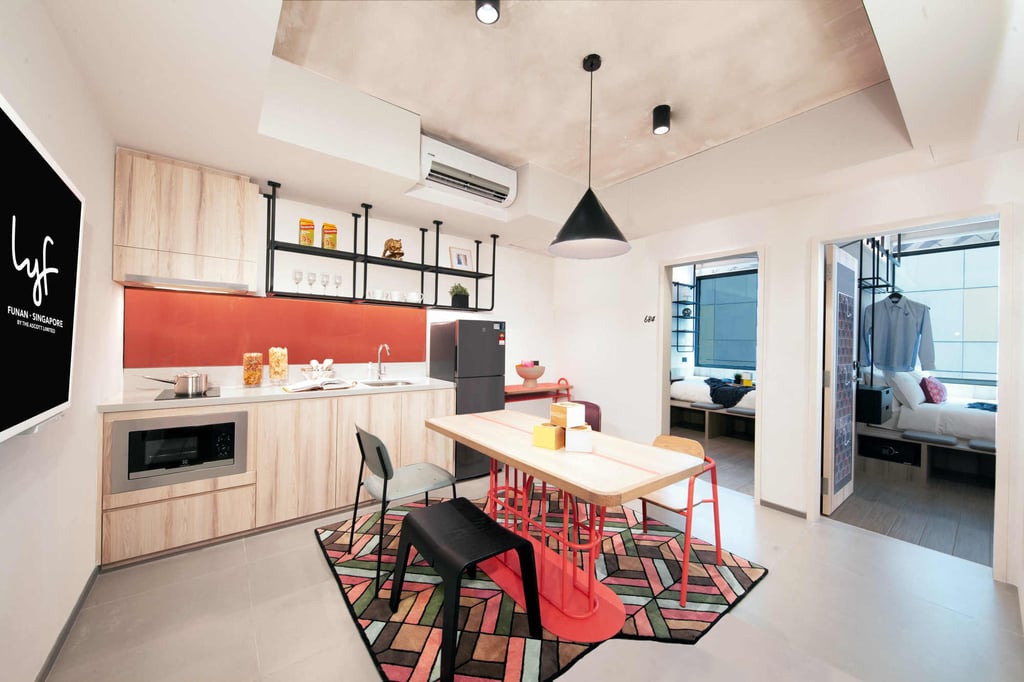
“Major operators responded by evolving and segmenting their brands to appeal to these various audiences with new concepts such as Lyf by Ascott being rolled out.”
Serviced apartments are a “very flexible real estate asset” allowing for easy conversion to various alternative uses such as strata titled apartments, multifamily and student accommodation, co-living and hotels, Roberts continued. “We expect as a result that underperforming and tired assets will see renewed investment and conversion to these alternative uses.”