Whisky is a better investment than wine – here’s how to start collecting: rare single malts gained four times their value in just 10 years, far faster than cars, watches or real estate

- With 428 per cent growth in the past decade, rare whisky is by far its highest-performing luxury investment – shooting past cars (164 per cent), wine (137 per cent) and watches (108 per cent)
- But there’s a few things to consider before selling your stocks – bottle or cask? Budget, time frame, risk appetite? Store it, drink it, bottle it? We have (some of) the answers
Whisky, rather than wine, is becoming the drink of choice for more occasions and the market has grown to support its rising cultural ubiquity. Not surprisingly, whisky is also being perceived as an extremely attractive investment prospect.
Business data provider Statista has it that total global whisky revenue increased from US$78.3 billion in 2012 to US$86.7 billion in 2019. And it’s projected to grow to US$105.7 billion by 2025 despite brief dips in 2020 and 2021, presumably because of the Covid-19 pandemic as well as the impacts on supply – particularly of grain – of the Russia-Ukraine war.
Property adviser Knight Frank’s “The Wealth Report 2022” shows that, as of the last quarter, rare whisky is by far its highest-performing luxury investment class, showing a 428 per cent growth over the last 10 years, even more so than cars (164 per cent), wine (137 per cent) and watches (108 per cent).
In fact the signs have been saying for some time already that whisky is an extremely attractive investment opportunity. The Platinum Whisky Fund, established in 2014, raised US$12 million from investors to trade in premium bottles and casks. When the fund wound down in 2021, it returned US$26 million to investors, representing a gross 17 per cent annual return.
Despite the pandemic, Hong Kong now looks to be a potential new hub for whisky investment.
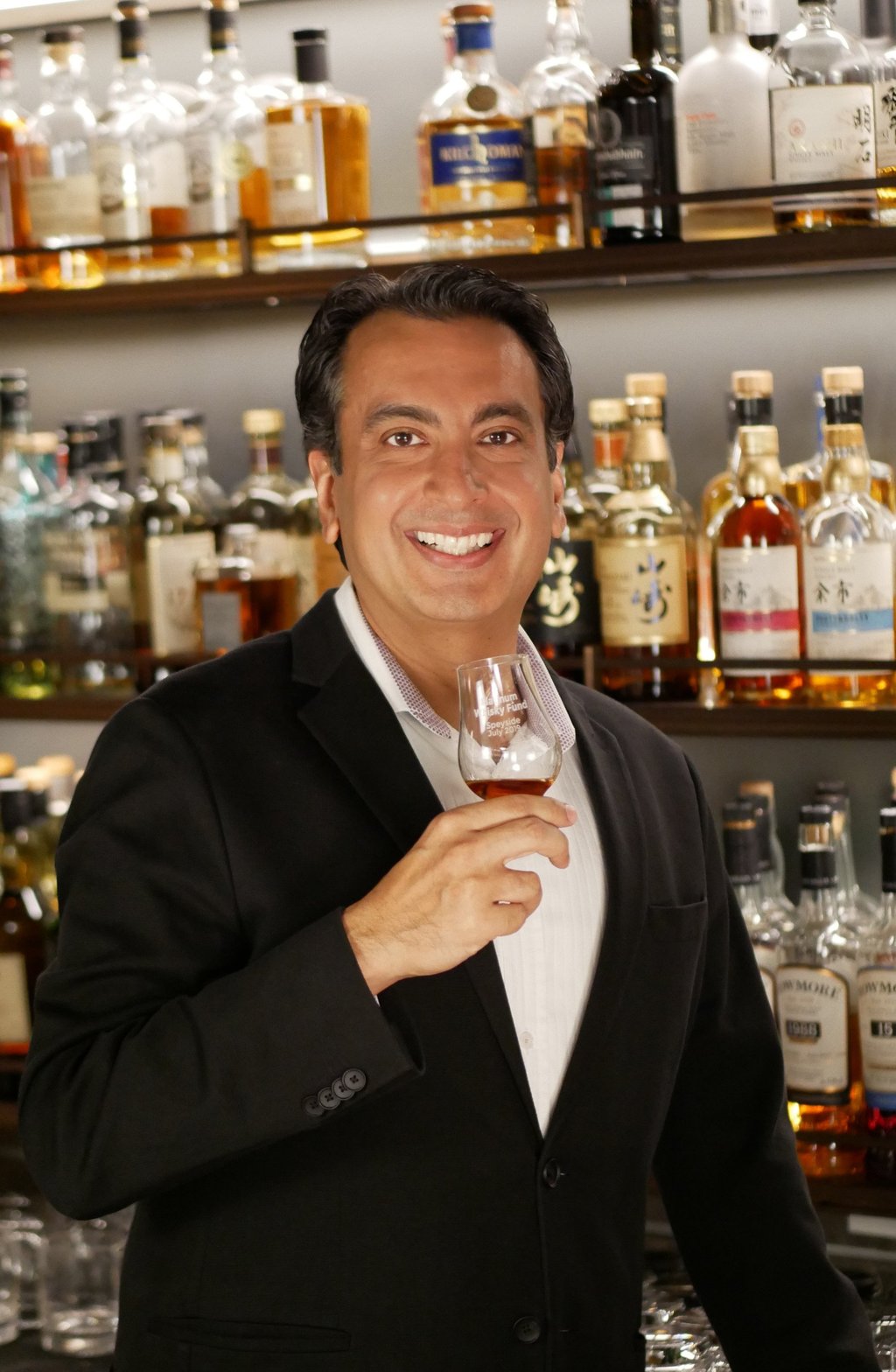
In 2021, investment platform Rare Whisky Holdings, co-founded by Li Hua Tan and Rickesh Kishnani, bought a 49 per cent stake in Whisky Hammer, a British auction site for the spirit.
“New distillery projects are in progress in almost all parts of the world,” said Kishnani, who was also a co-founder of the Platinum Whisky Fund. “The Chuan distillery by Pernod Ricard, which was opened in Emeishan, China, in 2021, represents a significant milestone, being one of the first to produce whisky in China,” he added.
Haigan Wong, co-founder and director of independent bottler Hong Kong Whisky, explained the spirit’s position as an alternative asset: “Like wine, whisky is a wasting asset and not subject to capital gains tax. There are risks to investing, prices and returns can rise and fall.
“But as an investment, it is open to members of all classes and industries. What can vary is what you want to buy, based on your budget, your intention or end-use, your expected returns and risk appetite. This forms the risk profile of a whisky investor.”