Explainer / What is ikejime and is it a humane way of preparing sushi? The traditional Japanese method of ‘closing the fish’ ensures a stress-free death, but campaigners say it’s unnecessarily cruel

- You might think the sushi on your plate is fresh – but meticulous traditional ageing techniques often mean this couldn’t be the further from the truth
- Stressed fish don’t make for satisfying sashimi, which is why the Japanese developed ikejime to ensure a sudden death – but detractors argue it’s not the only, or most ethical, approach
Fresh fish is essential for good sushi. Whether at high-end restaurants or humble neighbourhood eateries, if you eat sushi regularly, chances are you’ve come to expect and even marvel at the consistent freshness of your fish. It’s not a stretch to believe that the tuna or salmon was caught just a day or two earlier, like how a grouper from the wet market is kept alive until purchase or cooking.
But for some fish, this couldn’t be further from the truth.
“One of the big misconceptions about sashimi, sushi and raw fish is that it’s really fresh. It’s actually quite aged – but under very controlled conditions,” says Andrew Tsui, president of the US-based Ike Jime Federation.
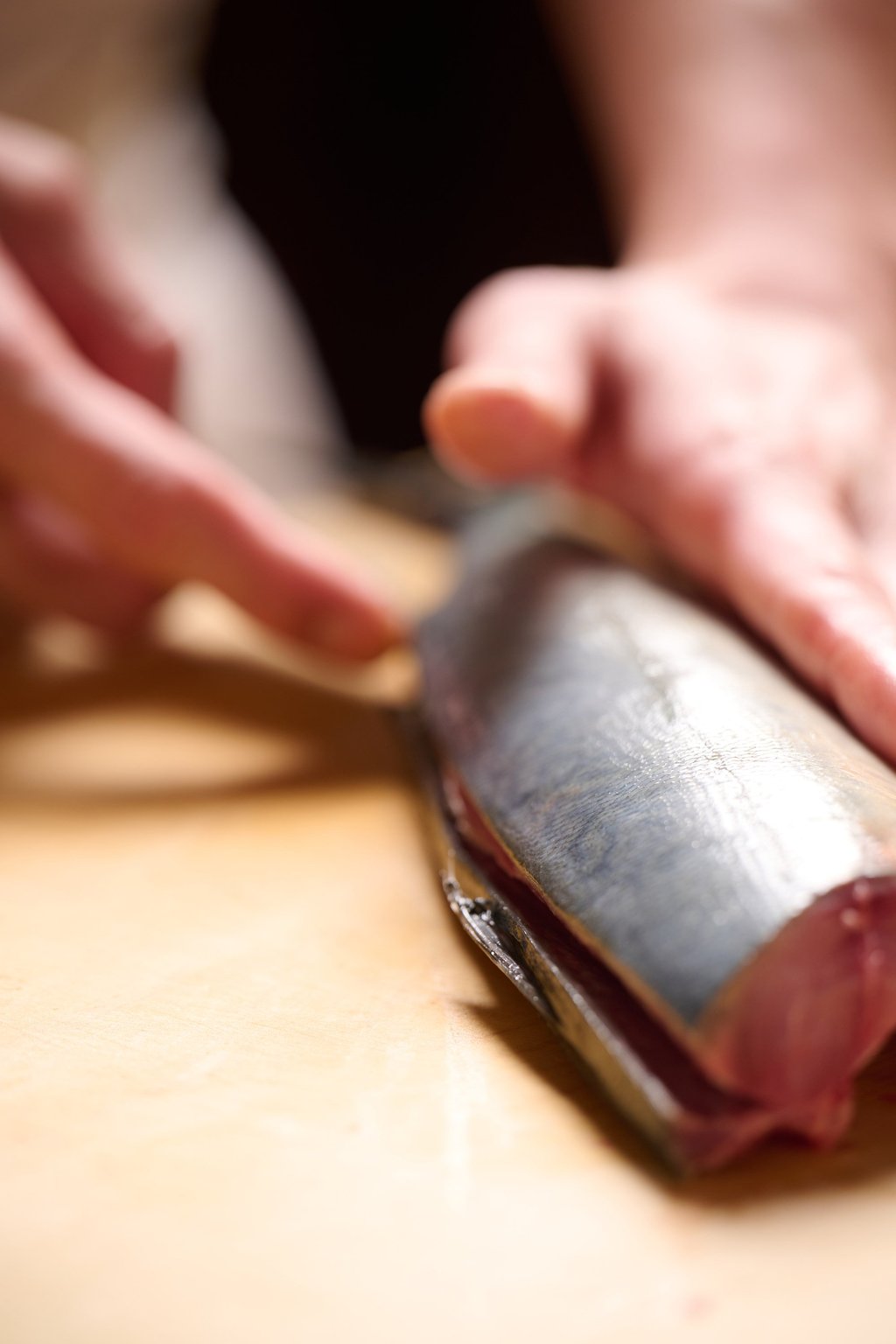
One of the techniques that creates viable conditions for ageing is known as ikejime. The technique, which means “closing of the fish” in Japanese, was first developed some two centuries ago in Edo, now Tokyo, and is designed to limit the waves of stress a fish experiences after being removed from the water.
“The moment you take fish out of the water,” Tsui says, “a number of things happen for that fish. First, they asphyxiate. They’ve also never experienced gravity out of water before, so they’re feeling their bodyweight for the first time. They have also never been exposed to unfiltered light, so they’re effectively blinded. There is absolutely going to be some stress and hyperactivity in response, and that stress is measurable in a lab.”
These death conditions produce a chain reaction of responses in the fish that the ikejime method is designed to mitigate. Cortisol and adrenaline levels rise dramatically, as do breathing and heart rates as the fish tries to desperately move oxygen that it cannot acquire outside of water. Core temperature increases as a result. This hyperactivity leads to tremendous lactic acid build up in muscle tissue, which is already delicate to start with.

“When a fish is caught and left on the deck to passively suffocate to death, what you get is a fish that is hot, acidic, and full of blood – which is the perfect breeding ground for rapid bacterial spoilage,” adds Tsui.
The three steps of ikejime seem gruesome at first, but they go a long way to helping a fish experience as little stress as possible during handling, ensuring it does not effectively become a biohazard, and can be prepared in a way that creates the flavours we know and love.
“Treatment devoid of unnecessary stress and pain is a prerequisite to quality,” Tsui said.