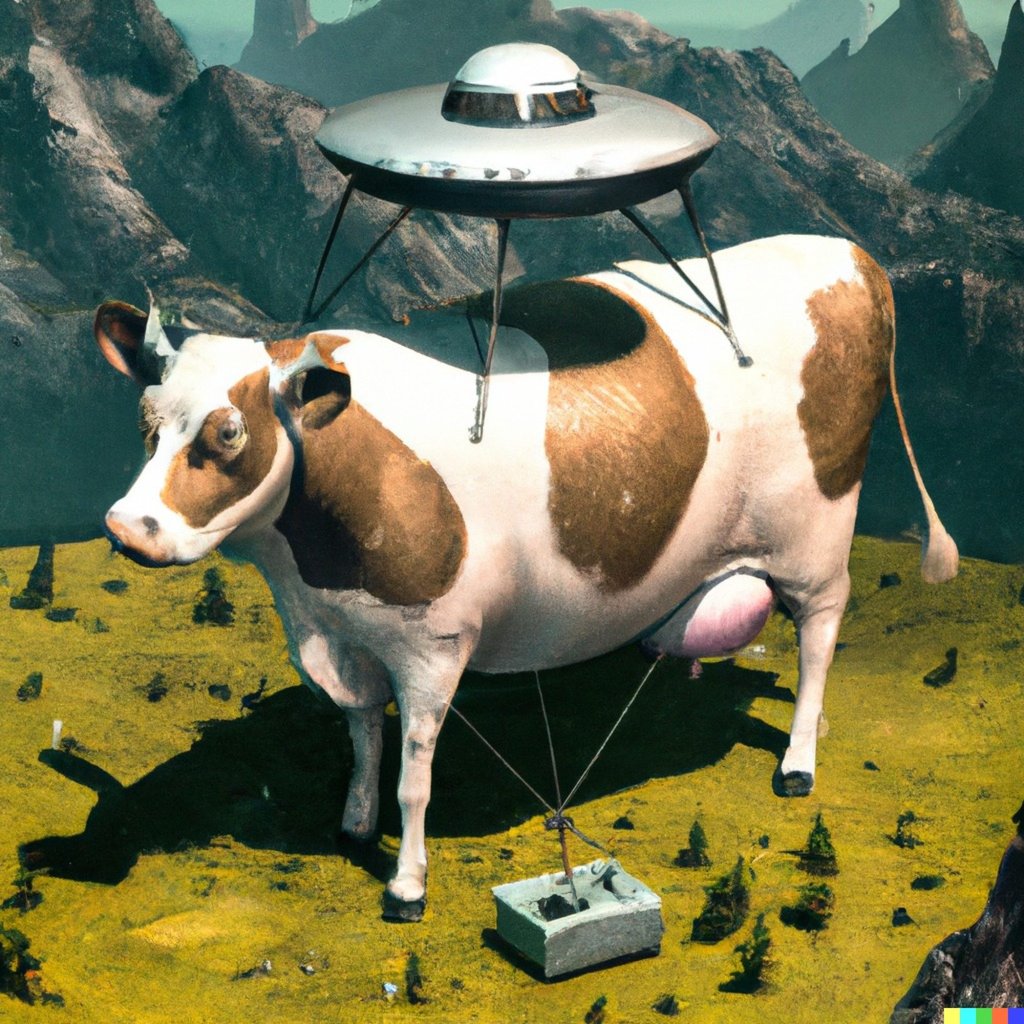
Is AI the future of art – and will it put artists out of work? Virtual human MonoC, a creation of Hong Kong’s Gusto Collective, sells digital art as NFTs but copyright concerns abound …

- Platforms like Dall-E, Midjourney and Stable Diffusion allow users to generate art in the style of any artist, from Vincent van Gogh to Edvard Munch and Yayoi Kusama
- On the flipside, Getty Images has sued Stability AI, while three artists filed a suit against Microsoft, GitHub and OpenAI over copyright infringement
Have you ever wondered what it would look like if Charles Darwin rode Napoleon’s horse into battle against a dragon and its army of video game characters? Well, you could spend years – even decades – on artistic and design training to create the tableau yourself … or you could circumvent all that by using one of the many AI art generators that have become the subject of much public discussion recently.
Platforms such as Dall-E, Midjourney and Stable Diffusion, which emerged in 2021 and 2022, allow users to type in a prompt from which the generator lifts keywords that it uses to comb or “scrape” databases of photos and other existing artworks on the internet. A neural network then algorithmically interprets relationships between the source art using the prompt, then generates your portrait of Darwin in the style of whatever artist your heart desires – Edvard Munch, Vincent van Gogh or even Yayoi Kusama.
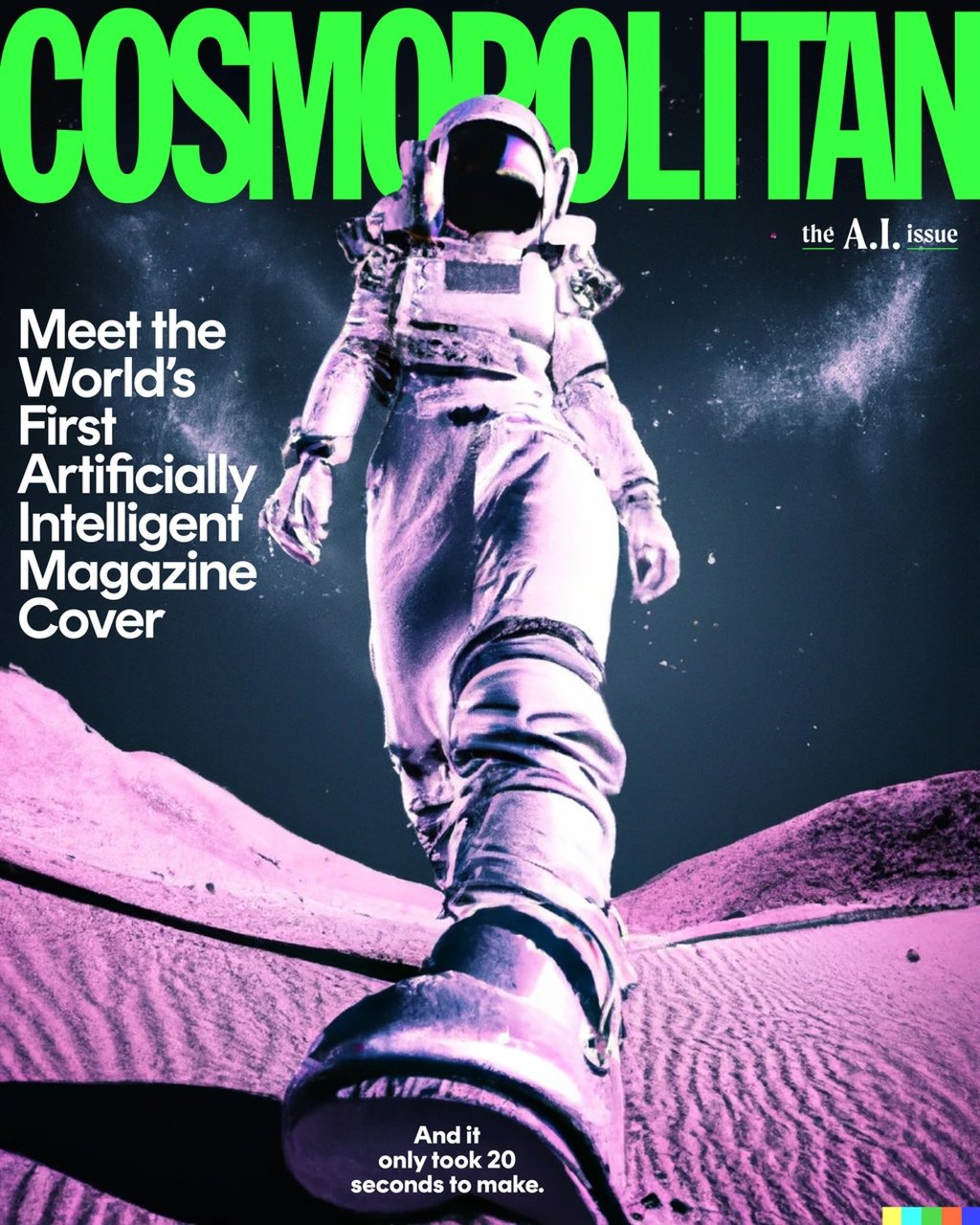
The applications of art generated by artificial intelligence are numerous, including but not limited to stock images required for advertising, film and fashion. Cosmopolitan championed the first AI-generated magazine cover in 2022.
Then, there is the impact that AI has had on the art industry itself. Galleries around the world are steadily embracing AI-generated art in addition to the “artists” that use the tools. In 2018, Christie’s auctioned off the Portrait of Edmond de Belamy impressionist portrait – which was signed with a portion of the algorithm used to generate the piece – for US$432,500 after it was initially valued at around US$7,000.
New York-based gallery Gagosian is this month hosting an exhibition of Bennett Miller who generated prints using text-based generator Dall-E that, according to the gallery, “engage the history and format of photography to pose questions around the nature of perception, reality and truth – an inquiry made newly urgent by revolutionary innovations in computing”.
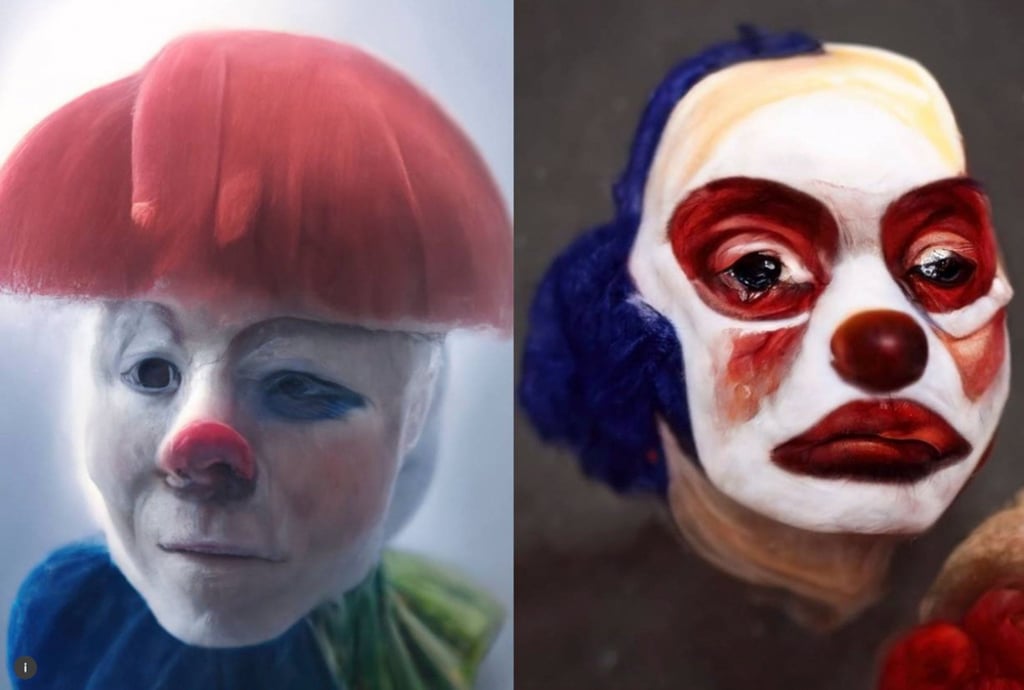
Naysayers of text-based AI art generation rally around several key and valid concerns, such as infringement on stock image or other art copyrights held by companies or individuals. Stock image purveyor Getty Images sued Stability AI earlier this year for using more than 12 million images from its site to train its generator, while artists Sarah Andersen, Kelly McKernan and Karla Ortiz collectively filed a class-action suit in January against Microsoft, GitHub and OpenAI (which is behind Dall-E), also on copyright infringement grounds.
However, artists may not have to worry about being supplanted by AI quite yet. The New Yorker paraphrased Matthew Butterick, the lawyer who filed the suit for the above mentioned three artists, stating that though the generators “present something to you as if it’s copyright-free”, the resultant image is in fact the opposite and “what AI generators do falls short of transformative use”. The article also asserts that generators “could not operate without the labour of humans like McKernan who unwittingly provided the source material”.