Ancient Asian crafts come to life in modern interiors at this home and lifestyle brand

Craft traditions inform bespoke wall coverings and collectable objects for the contemporary home at the brand’s Peninsula Hong Kong showroom
Historic names like de Gournay and Gracie may dominate the market when it comes to couture wallpaper, but newcomer Lala Curio is following closely in their footsteps.
“My mission is to create a new chapter for rare ancient crafts in the 21st century – to make them exciting and meaningful again, and to inspire young artisans to feel proud, motivated and invested in carrying these traditions forward for future generations,” says Cheung.
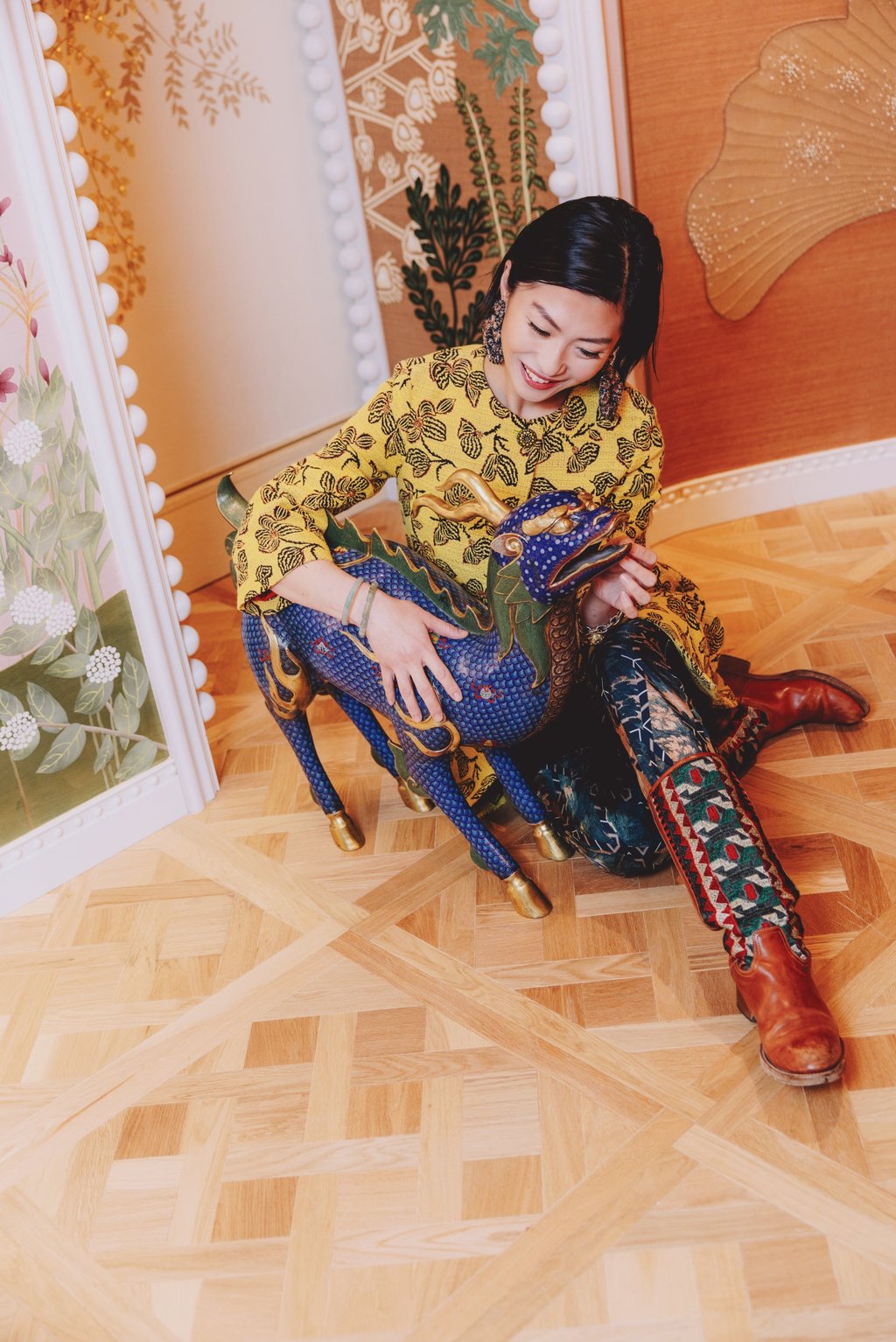
Cheung’s love for decorative objects led her to study interior design at Parsons School of Design in New York, followed by a master’s in fine and decorative arts from the Sotheby’s Institute of Art in London. After working in fashion event production and museum exhibition design, she was drawn back to Asia to learn more about her first love.
“I spent a couple of years connecting with artisans, travelling to remote parts of China and finding ateliers I wanted to work with. It was challenging at first because so many were set in their traditional ways. It was important to respect the integrity of the techniques while allowing the design language to evolve,” she explains.
The fruits of her labour materialised with the 2013 launch of Lala Curio, which she describes as a “beautiful merger” of her passions for interior design and storytelling.
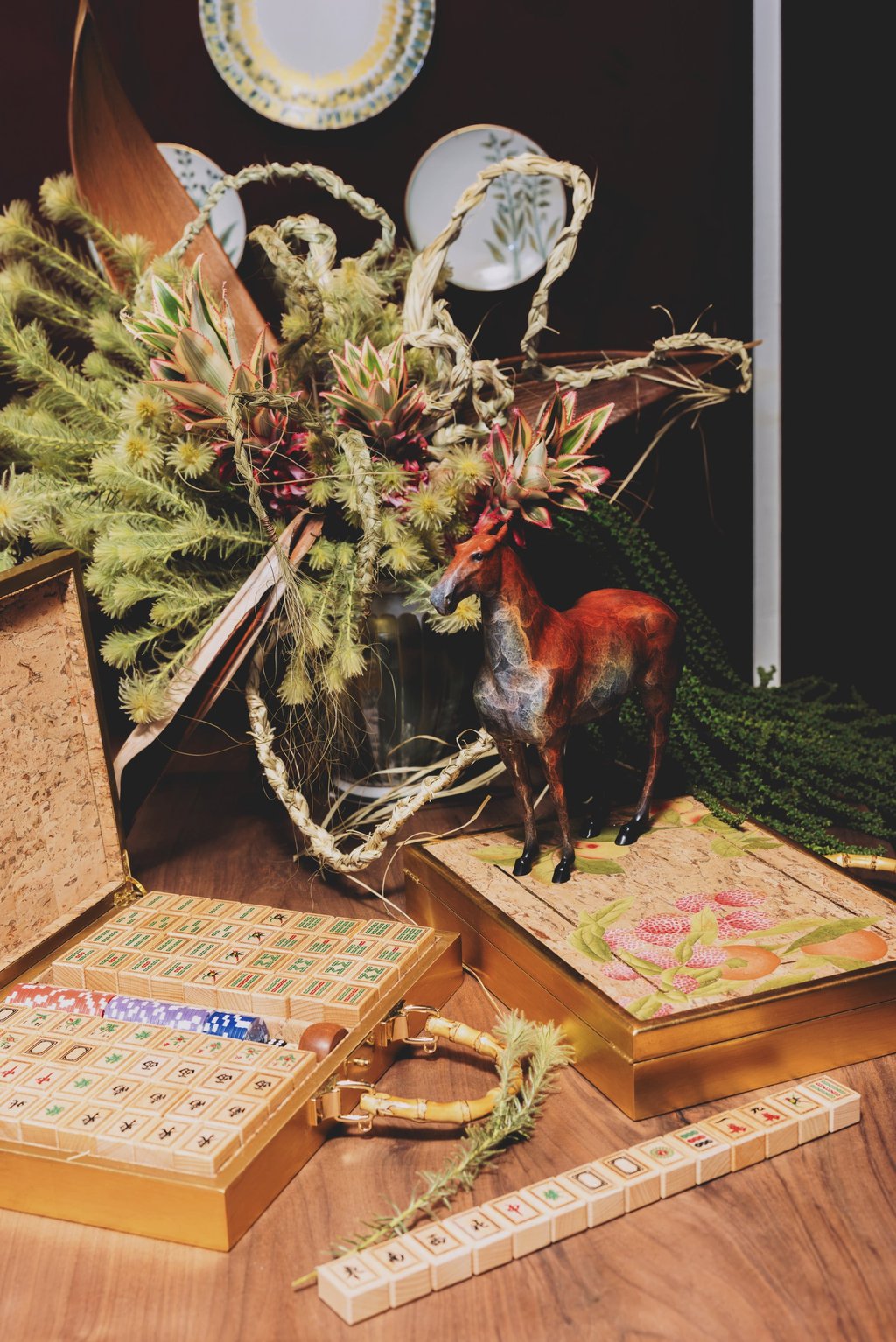
At the heart of the brand, in the early years, was an eclectic boutique tucked away in Sau Wa Fong, Wan Chai. Filled with hand-painted wallpapers, furniture, lacquer boxes and other objets d’art, it showcased traditional techniques and crafts reinterpreted through Cheung’s playful, contemporary aesthetic.
“I modernise crafts by rethinking scale, function and context. That might mean transforming a traditionally decorative technique into something functional for daily life, or collaborating closely with artisans to reinterpret classic motifs in a more abstract or graphic way,” she explains.