Why luxury tea towels are the ultimate kitchen and home decor upgrade

From hand-printed Italian linens to Hong Kong keepsakes, the dishcloth has transcended its humble origins to become a genuine design object
I was enjoying a cup of tea at a friend’s house recently when I spied a gorgeous piece of fabric hanging on her oven door. It was a tea towel she had bought at a famous chateau in France’s Loire Valley for around 50 euros (HK$460).
While most people would balk at that price, I didn’t blink an eye (I confess: I once spent US$100 on a handwoven jacquard tea towel). It wasn’t long before we were fawning over the delicate embroidery and beauty of an expensive but nonetheless desirable piece of organic cotton.
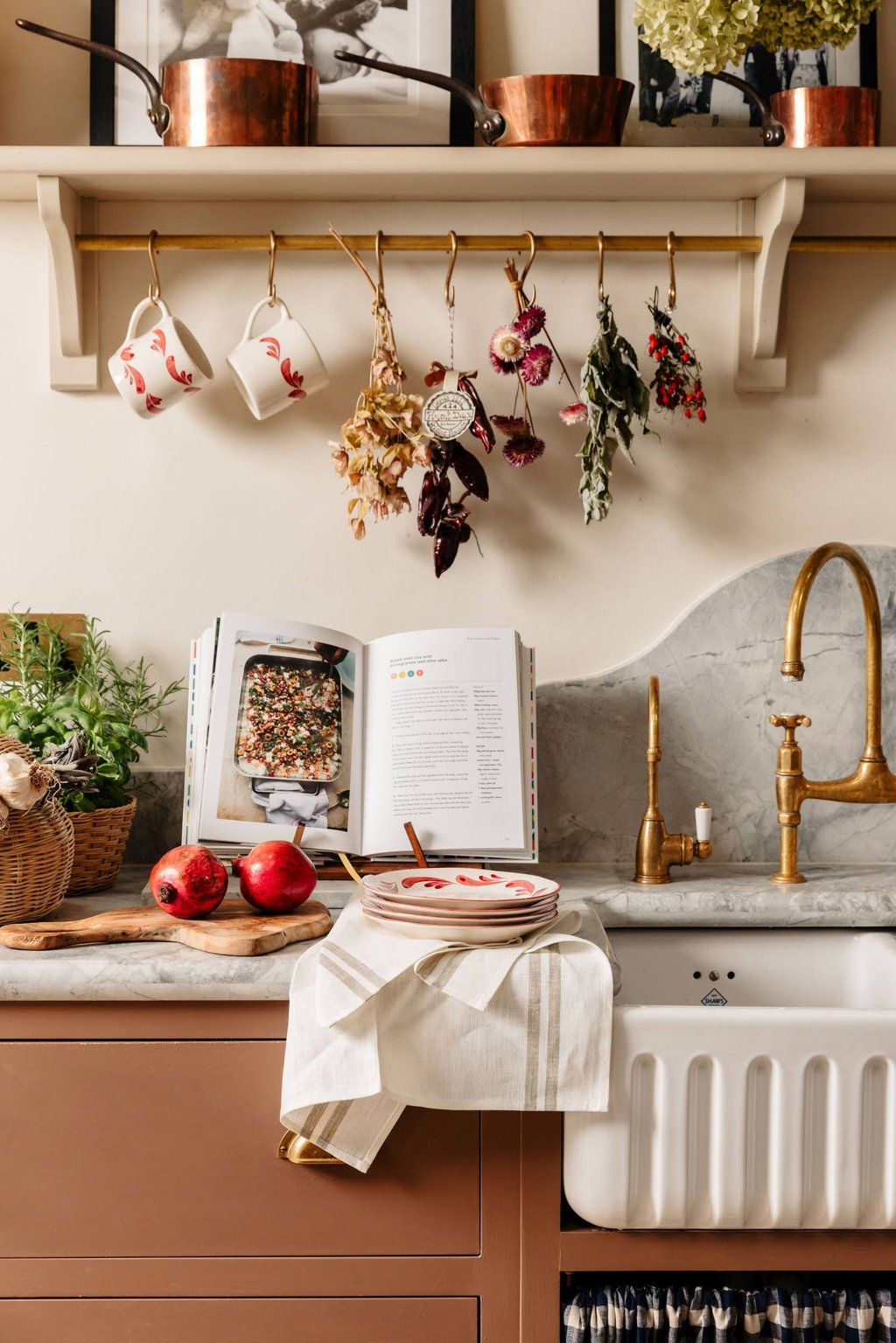
As it turns out, we are far from alone in our obsession. While collecting tea towels isn’t a new trend – they are a fixture at every souvenir shop and have numerous dedicated hashtags on TikTok – this kitchen staple has evolved from something practical into a well-designed, decorative item that’s displayed with pride in stylish kitchens and homes.
“We now see our home as an extension of ourselves – and the pieces in it, including the more essential items, are representative of our style and values,” says Rebecca Udall, whose eponymous label encompasses luxury linens and other homeware items.
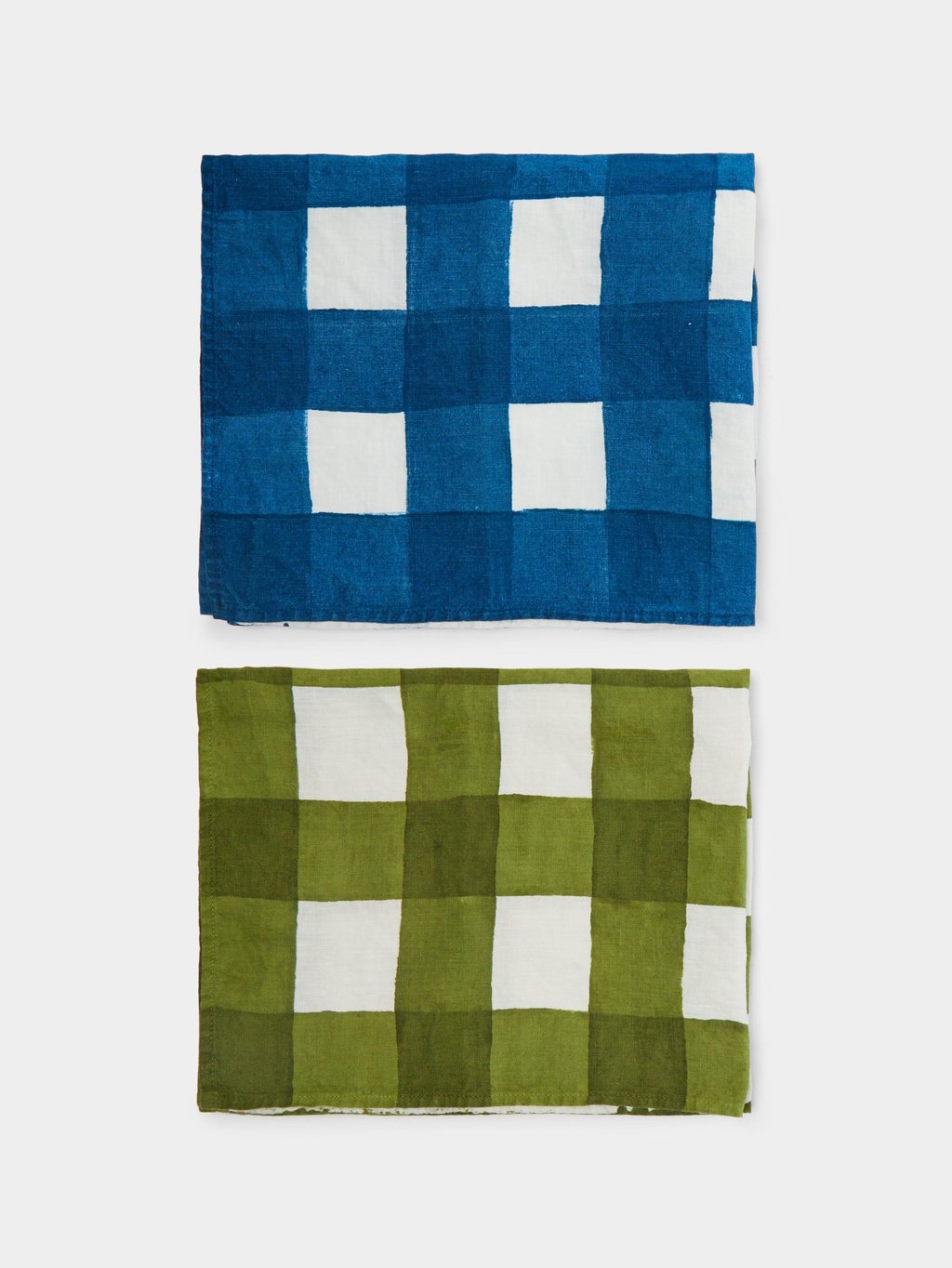
“There is also the realisation that if we are investing in beautiful kitchens and dressing them with timeless table linens, handprinted crockery and Murano glassware, for example, then we want the more practical pieces like tea towels to meet this same standard,” she says.
Tea towels originated in 18th-century England, when they were used at teatime to cover tea trays and insulate pots. Upper-class ladies would also use the towels to dry expensive porcelain and glassware, embroidering them with designs that were passed down as family heirlooms. Thanks to their versatility and durability, these lightweight cloths had become a household essential by the 19th century, although designs remained simple.
We now see our home as an extension of ourselves – and the pieces in it, including the more essential items, are representative of our style and values
Today the humble tea towel has undergone a luxe transformation not just in terms of style but also quality. While traditional fabrics like cotton and linen remain popular, brands are now turning to heritage manufacturers such as Le Jacquard Français, whose artisanal expertise elevates the tea towel into something genuinely covetable.