Rocking up: artisan ice is now an integral part of the cocktail experience

Singapore’s Night Hawk and Last Word bars approach the subject of ice as another differentiator in a crowded marketplace
“It’s a statement,” says Peter Chua, bar industry consultant and founder of Singapore’s acclaimed Night Hawk bar. “It says to the customer ‘I care about your experience’. If I go into a bar and see anything else now, I’m disappointed.”
The cleanliness of the tables? The friendliness of the bartender? Those top-notch spirits? No, Chua is referring to the quality of the ice in his drink. “It’s ice,” he says, “that sets a bar apart, that tweaks the guests’ perception of it.”
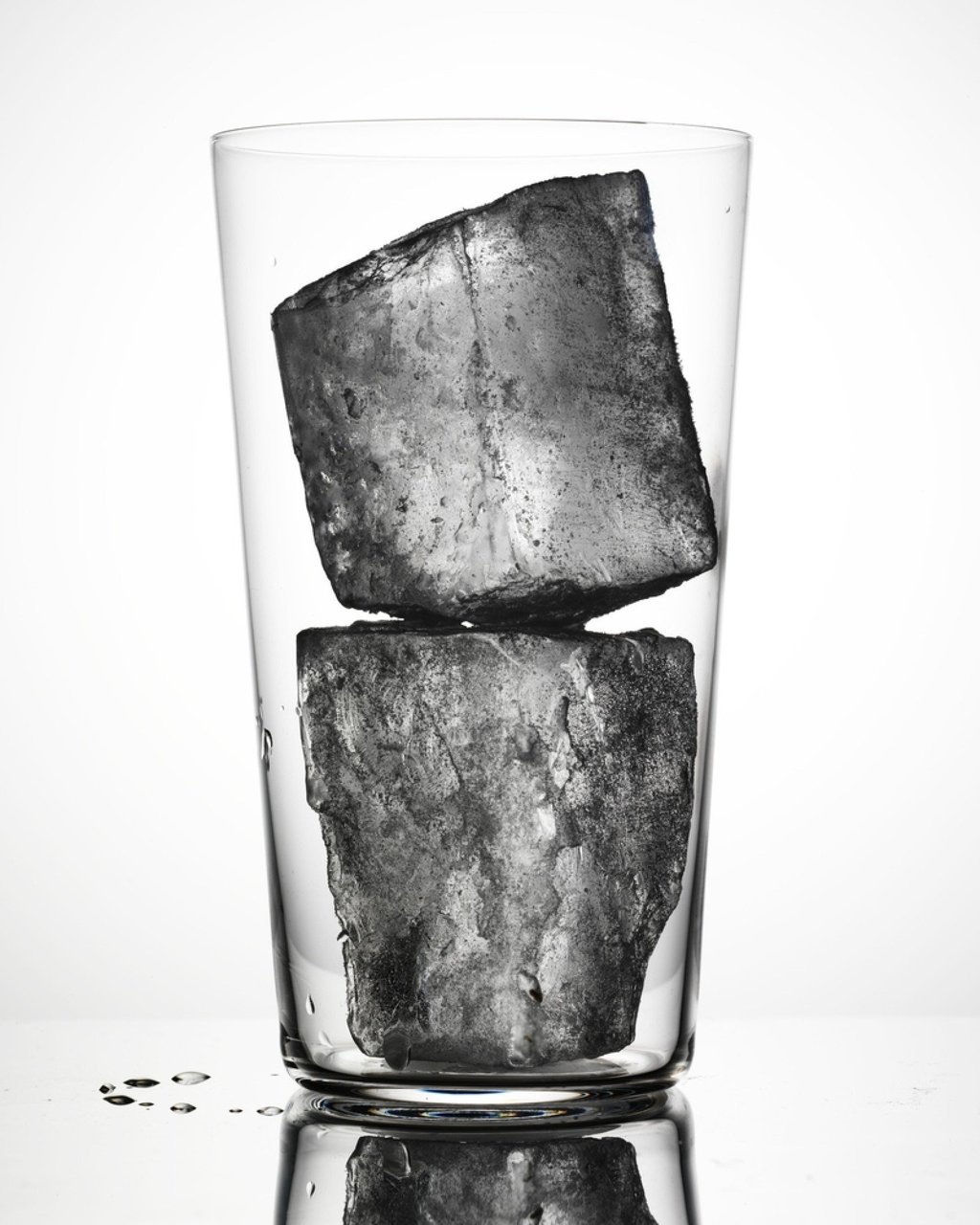
Not just any ice, of course. If the coolant in your drink used to amount to cloudy lumps of uncertain origin, now ice – shaped, shaved, infused, stamped, embedded, drilled or outsized – has become a hospitality art form in its own right, like diamonds expressing the three Cs: clarity, cut and, well, cool. No wonder the value of the commercial ice market across the Asia-Pacific region is expected to more than quadruple by 2032.
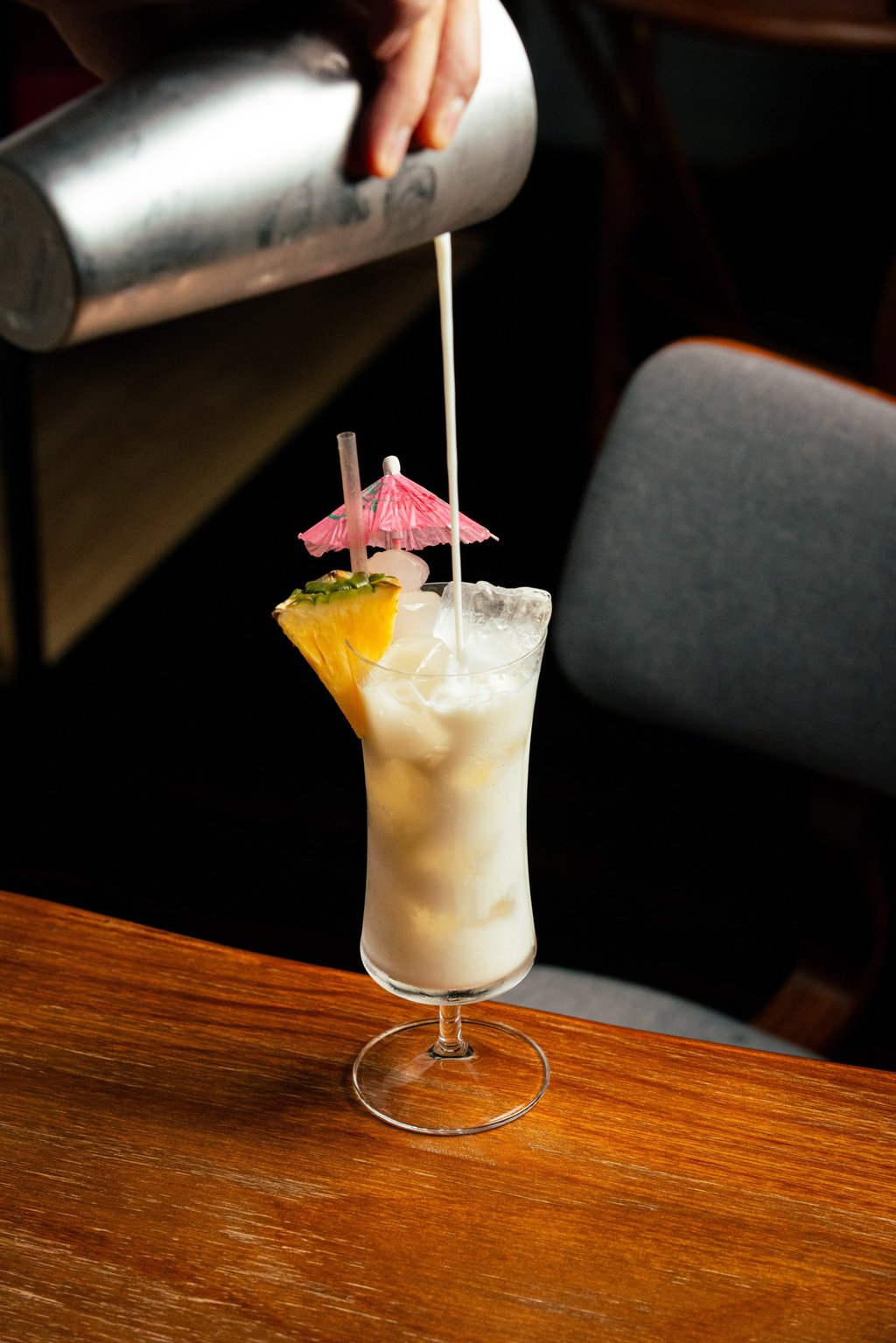
But why the fuss over what is just frozen water? According to Camper English, founder of Alcademics, a blog for cocktail connoisseurs, and author of The Ice Book, it is about genuinely improving the quality of your drink through the better control of the temperature and rate of dilution. Add another component to your ice – some Earl Grey tea, for example – and that changes the flavours in the drink as it melts. Ice is, he contends, an ingredient like any other and deserves the same attention to its quality.
“The treatment of ice is increasingly about being creative and visual,” he says. “It’s part of the showmanship [in a drink], which is something customers enjoy and increasingly understand. They don’t get freaked out when there’s just one huge cube in their drink any more.”
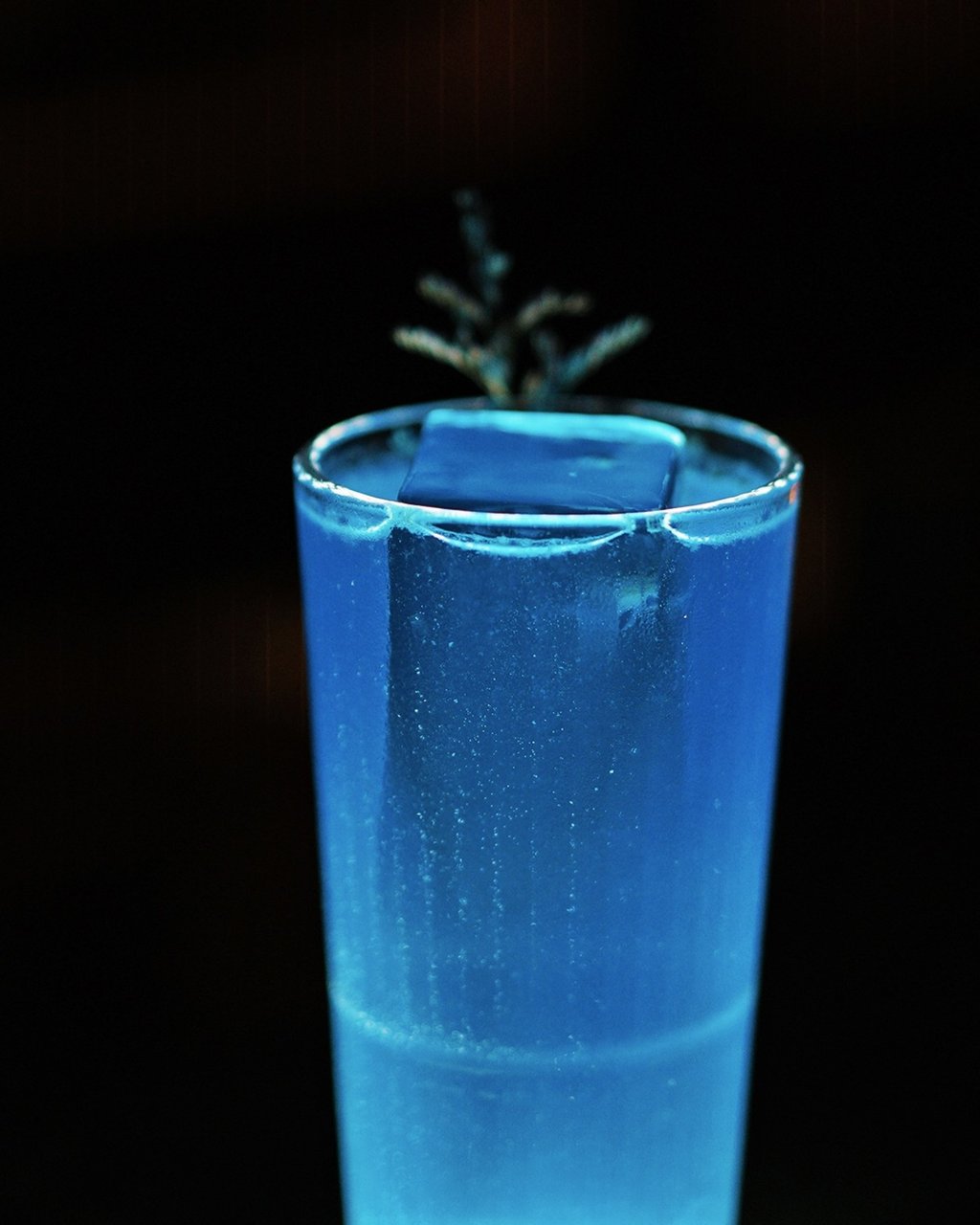
Making ice one of the stars of your cocktail has, after all, been a long time coming. It was a little over 60 years ago that a patent was issued for a device “for the making and harvesting of ice using ultrasonic vibrators”; a few years later came one for an ice cube tray that used heat conducting posts to make “substantially clear ice cubes”; and then one that used circulation and purging. But it’s only more recently that such commercial efforts have tipped over into the cocktail scene, with more spacious bars able to consider making their own.