Style Edit: Poly MGM Museum’s ‘Silk Roads Beyond Borders’ adds new masterpieces

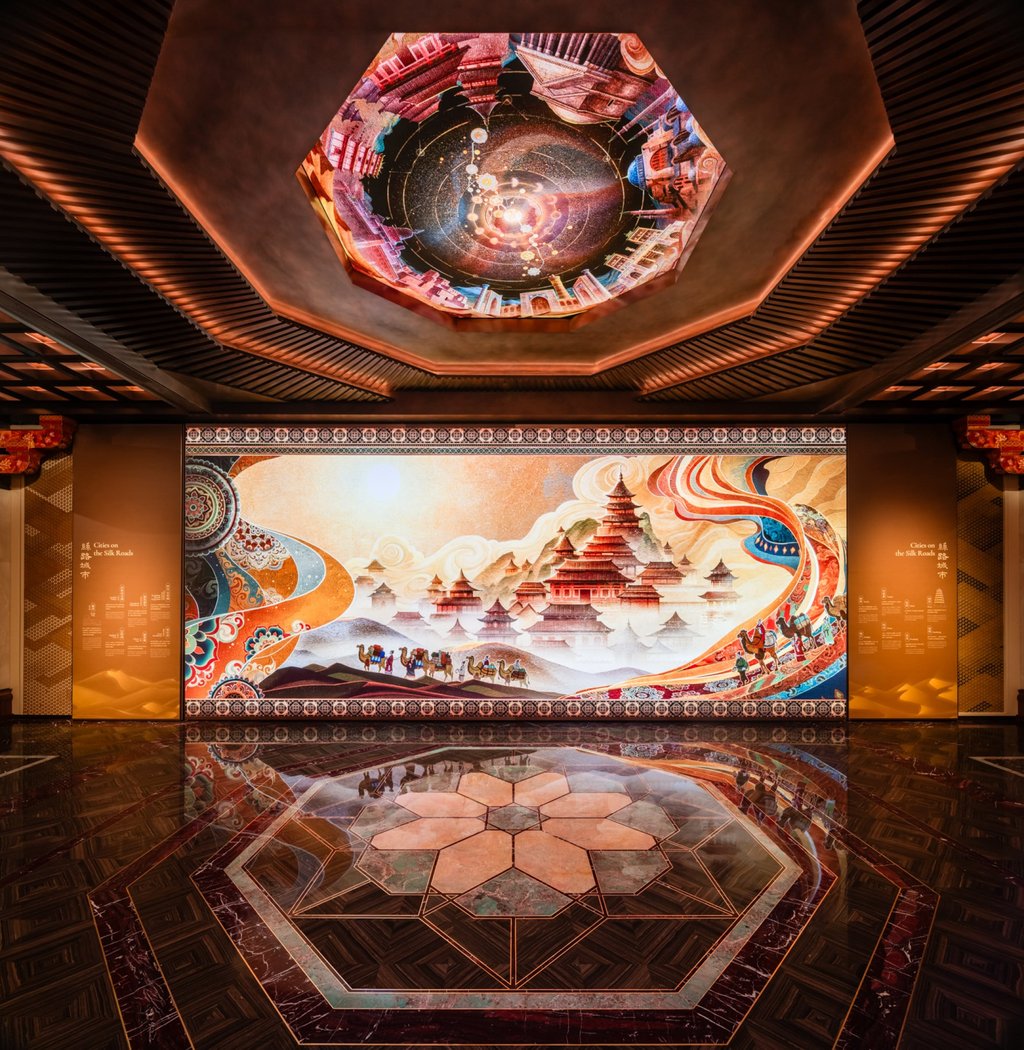
New Italian and Persian treasures make their Asia debut, expanding the museum’s Silk Road narrative with rare works that illuminate centuries of East-West exchange
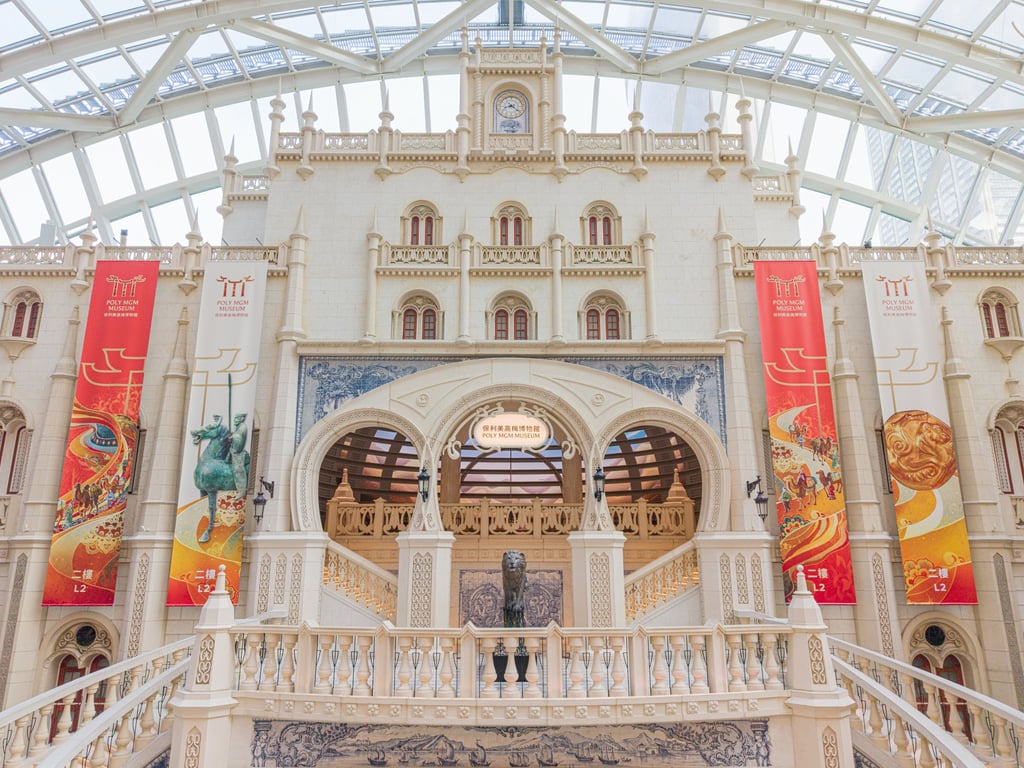
Macau has always embodied dialogue between East and West. As one of Macau’s landmark cultural destinations – and the only museum in the region built entirely around the Silk Road – Poly MGM Museum’s “Silk Roads Beyond Borders” enters a fresh phase with three major additions. New Italian and Persian treasures make their Asia debut, illuminating centuries of exchange. Macau’s history as a major node of the Maritime Silk Road gives that mission a natural foundation. “That gives our work a level of authenticity that cannot be manufactured,” says Cristina Kuok, senior vice-president of arts and culture at MGM.
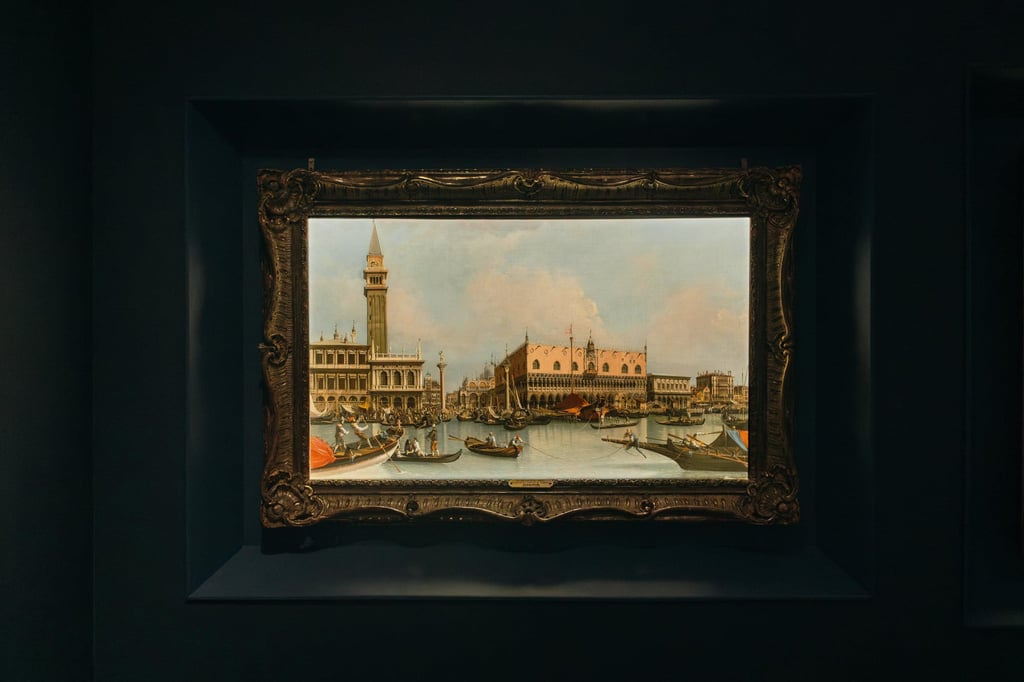
Two 18th century Venetian School paintings – Canaletto’s The Molo, Venice, from the Bacino di San Marco and Michele Marieschi’s Ca’ Foscari and Palazzo Balbi on the Grand Canal – arrive from Italy’s Fondazione Paolo e Carolina Zani, with support from the Consulate General of Italy.

They capture Venice – a key European gateway for Silk Road goods – at the height of its mercantile power. “These works remind us that cultural exchange was never abstract,” Kuok says. “It was lived and felt across cities like Venice and the other Silk Road regions represented in our exhibition.”
Displayed alongside Chinese silk, porcelain and other artefacts, the Venetian masterpieces show how aesthetics travelled between China and Europe. The dialogue extends into the present through Zao Wou-Ki’s Untitled (Golden City), a modern interpretation of Venice, mirroring Macau’s role in Sino-Western exchange. One detail in the painting stands out: the bronze lion atop St Mark’s Square resembles Chinese guardian lions. “For many Chinese visitors, this image feels immediately familiar,” says Kuok. According to Guicciardo Sassoli de’ Bianchi Strozzi, president of Nuova Artemarea ETS, research suggests it may have been cast in Tang dynasty China before being taken west and modified in Venice. Kuok calls it “a powerful symbol of how objects absorb new meaning as they cross cultures”.
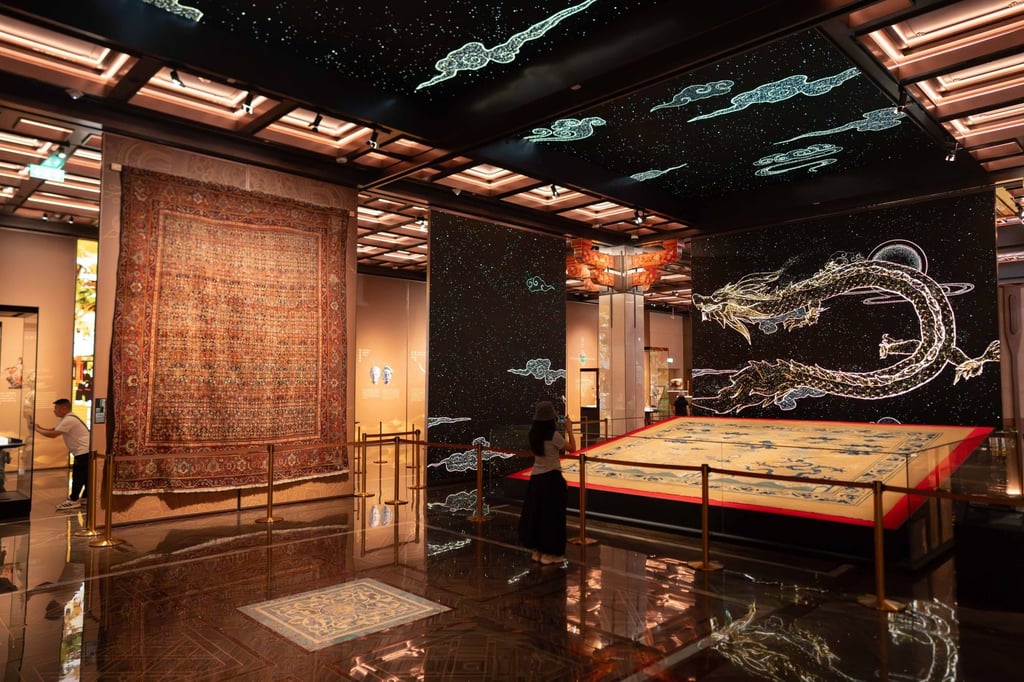
A third highlight comes from Portugal: a Persian Ferahan carpet from the Museu Medeiros e Almeida in Lisbon. Shown beside MGM’s Dragon-Patterned Throne Carpet, it reveals how textile artistry evolved along the Silk Roads. “When you place these carpets together, you see how techniques and motifs moved in both directions,” Kuok notes. “It’s a very intuitive way to understand the Silk Road’s aesthetic flow.”
Conceived as a one-of-a-kind destination, the museum reinterprets the Silk Road’s legacy. Amid the Greater Bay Area’s rapid expansion, Kuok says what sets Poly MGM apart is not scale but ethos.