How Gen Z gave fountain pens a second act, from Montegrappa to Omas

In an era of touchscreens and ballpoints, the fountain pen – used by the likes of Winston Churchill and Sean Connery – is quietly booming thanks to journaling and Gen Z fans
“While the fountain pen is still a useful tool, how many people really need one? Almost nobody,” concedes Patrick Yandell, brand manager of Italian pen-maker Omas. “But the fountain pen represents something more than that – it speaks to the need for tactility, [a different kind of] creativity in a digital world. I’d hesitate to say using one is therapeutic, but that’s what it is. You really have to get someone to try a fountain pen to understand its effect.”
Unexpectedly, perhaps, more and more people are doing just that. Sure, Montegrappa, another Italian maker, will provide you with a fine rollerball. Yet half of its sales are now fountain pens. Indeed, the company has just added three more models to its online “configurator”, which allows users to design their own pen from millions of combinations.
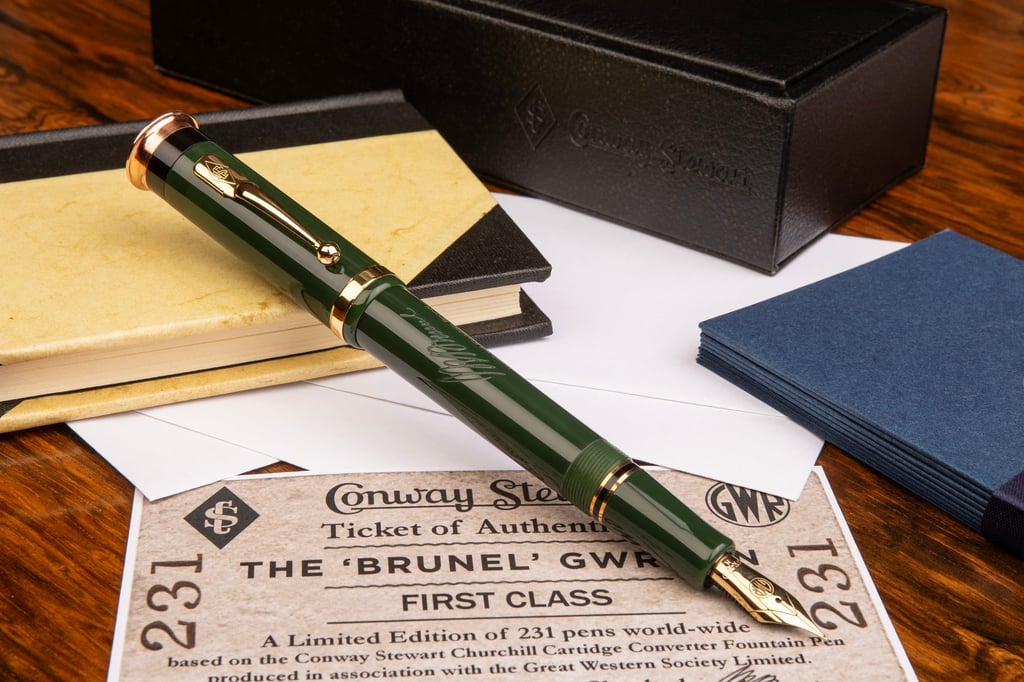
“We used to sell a lot of fountain pens but as gifts, only a few of which would likely be used,” says Giuseppe Aquila, the third generation of his family to head Montegrappa. “The difference now is that people are actually using them again. We’ve often been told that, with the rise of digital tech, fountain pens will die out. But that just isn’t happening.”
Certainly it’s said that because a fountain pen requires little to no pressure, it’s far easier to write for extended periods. It also forces a slower writing speed, and so encourages more consideration to be given to the words put down. One reason why the fountain pen continues to thrive has been not just recent years’ new-found obsession with stationery design – with notebook makers the likes of Moleskine and Smythson also launching their own fountain pens – but also the rise of journaling. Furthermore, fountain pen technology may have matured, but today’s models are robust, extremely unlikely to leak, write without any scratchiness, and are much easier to refill than they were. The lever system is now a throwback, with many models piston-filling directly into a cavity carved into the pen, a system both more convenient and offering greater capacity.
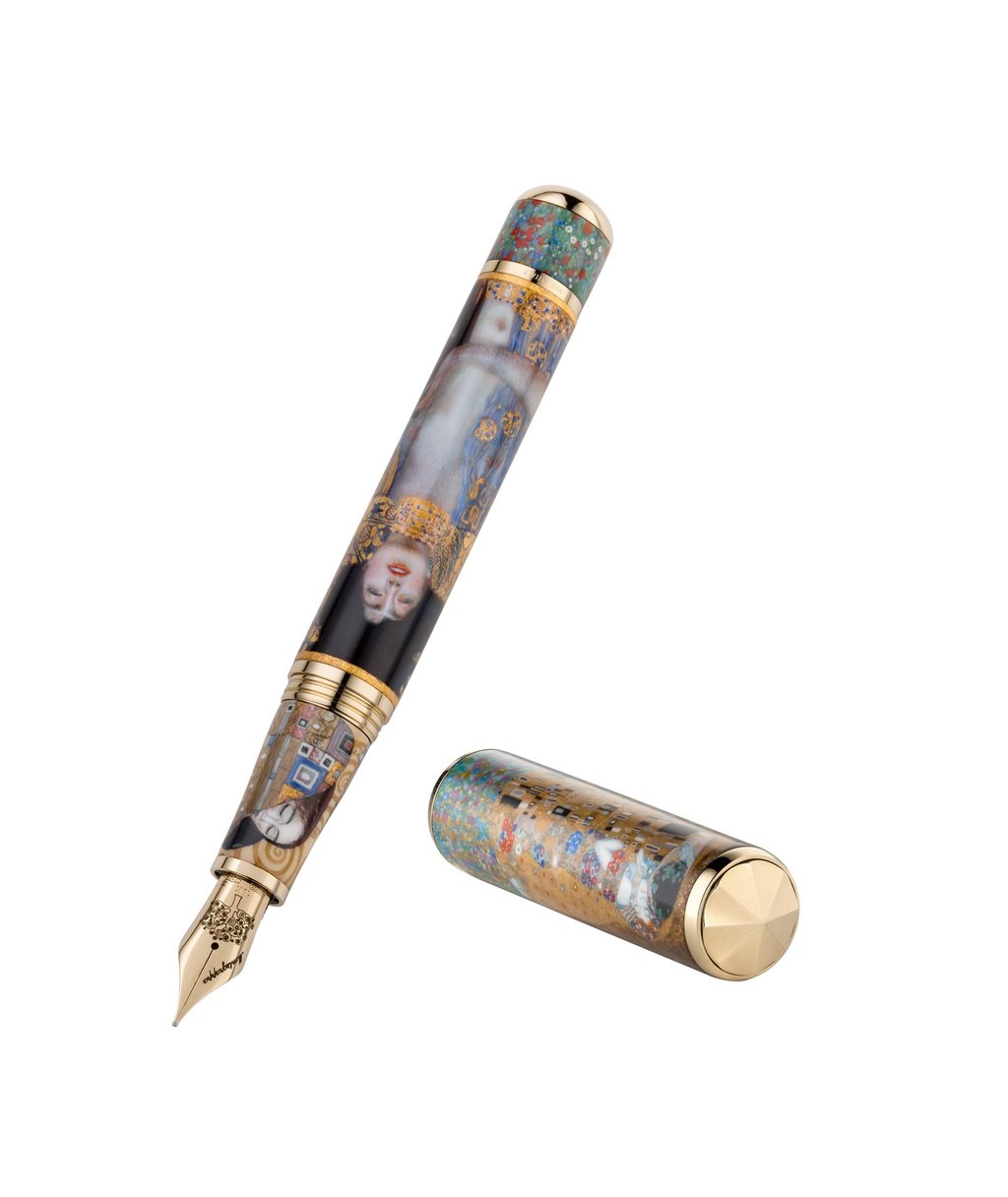
But it’s not just the pleasure of writing with a fountain pen – or “writing instrument”, as those in the industry sometimes rather pretentiously prefer to call it – that’s a draw. As Aquila points out, collectors typically have far more pens than they can use – he has over 1,000 himself. What they’re also taken with is the fountain pen as a craft object: the engineering, but also the decoration and use of materials, from the lacquerwork of a brand like Namiki, through to Montegrappa’s experiments with carbon fibre, ceramic, mammoth ivory (sourced from the preserved tusks of woolly mammoths found in the Siberian permafrost), a proprietary resin and, while stocks last, the cellulose more typically only found in vintage models of pen. This year, for example, sees the release of an update of Omas’ classic 360 – distinctive for its triangular barrel – as well as a line inspired by the work of famous architects.
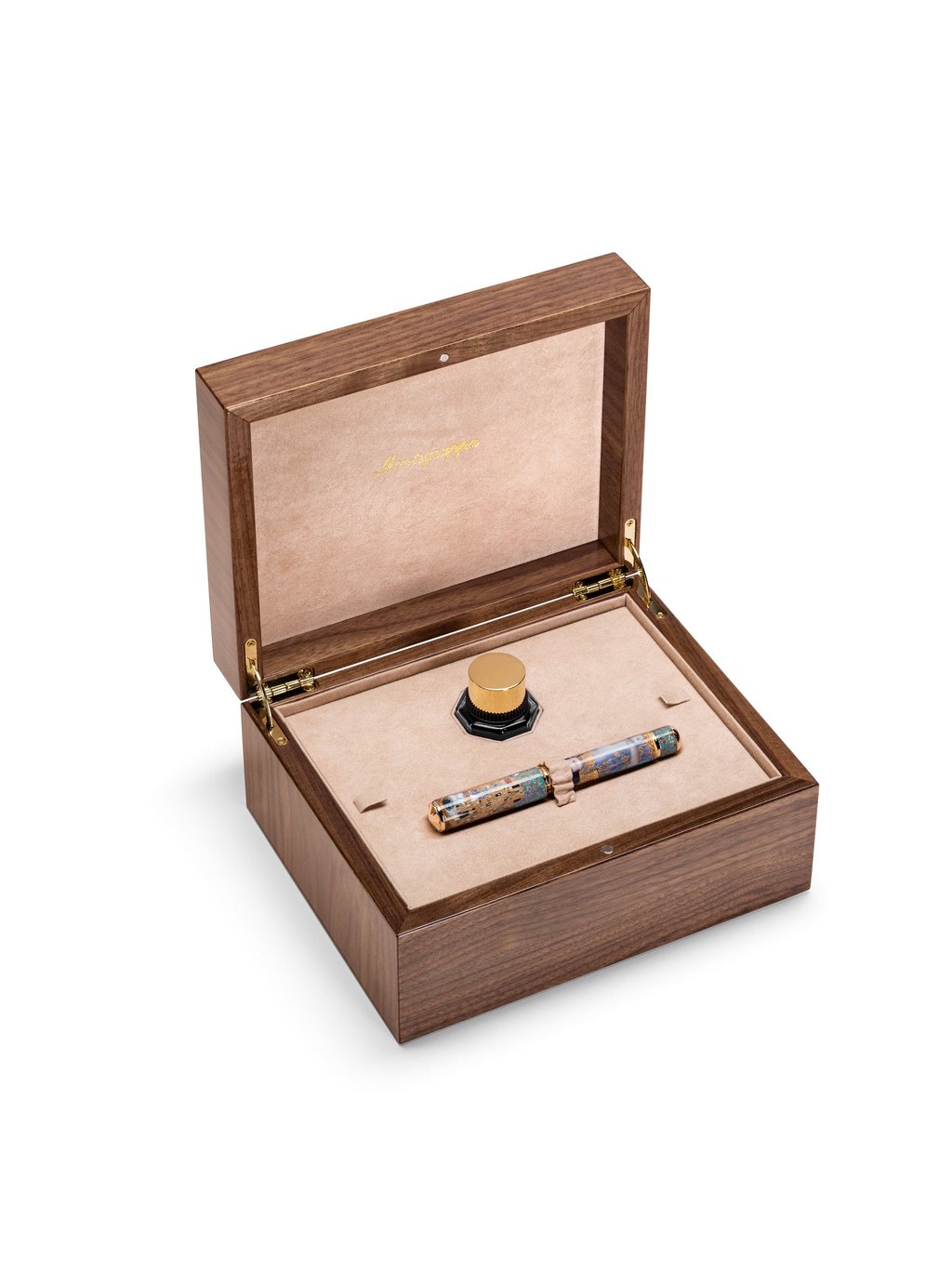
In this way the fountain pen shares the appeal of the mechanical watch: ostensibly redundant, with much cheaper options available, but offering pleasures beyond its function. “Why buy a prestige watch when you can buy a plastic digital for [a few dollars]? Why buy a fountain pen when you can buy a Bic?” asks Alastair Adams, managing director of British pen-maker Conway Stewart. “The appeal of both goes much deeper than their utility.”
Indeed, like watches, fountain pens are nostalgic for some older customers, but are winning the attention of those younger and quietly yearning for slower, analogue times. Surprisingly, much fountain pen appreciation is now driven by twenty-something enthusiasts on social media. Perhaps, contends Adams, the fountain pen hits the same psychological spot as do vinyl records, board games, film cameras or even – whisper it – printed magazines.