Advertisement
Advertisement
Advertisement
Luxury

From ‘Chucks’ to Yeezys: how the iconic sneaker has evolved since 1820

STORYBusiness Insider
Early sneakers were simple but had an air of elegance to them, clearly intended for a privileged clientele. Photo: Business Insider
Fashion

Whether worn for fashion or sport, most of us own sneakers. The iconic footwear has come a long way since the ‘rubber overshoe’ of 200 years ago

In the 1820s, a rubber overshoe made its mark. Elizabeth Semmelhack, senior curator at the Bata Shoe Museum in Toronto, told Business Insider they were the start of iconic sneaker wear. She wrote in her exhibition notes for her book The Rise of Sneaker Culture that once Westerners became interested in the rubber being made in Brazil, these overshoes were first to enter the market.
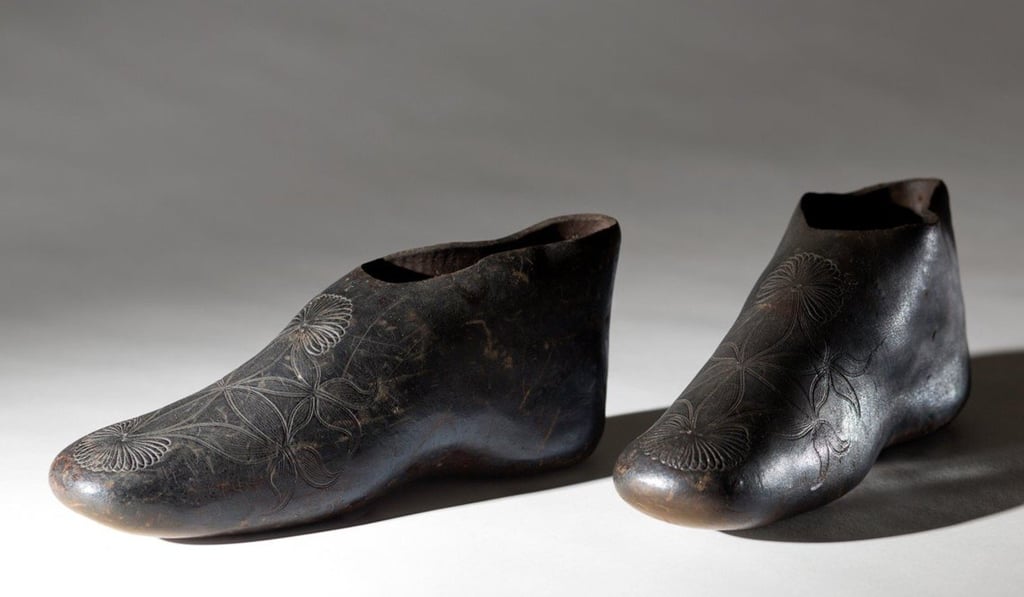
This overshoe is from the 1830s and is on display at the Bata Shoe Museum in Toronto. The rubber overshoe was the forerunner to the iconic sneaker loved by millions around the world today.

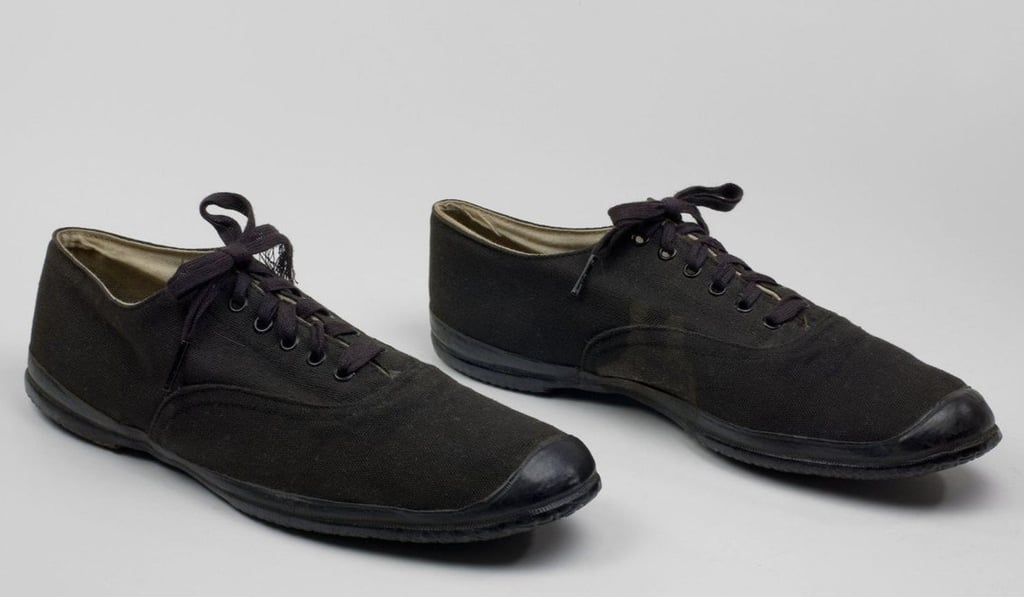
Fast forward to the 1890s, and Goodyear Rubber Manufacturing Company was making shoes for athletes. Semmelhack wrote that these shoes are relatively simple, but they have an air of elegance to them. “The attention to detail … reflects the fact that the intended clientele was relatively privileged,” she wrote.
Advertisement
The first sneakers were simple but had an air of elegance to them, clearly intended for a privileged clientele. Photo: Bata Shoe Museum

In 1916 the United Rubber Company introduced its first sneaker, the Keds Champion. This style is so iconic that it has withstood the test of time and is still on the market more than 100 years later – with slight upgrades, of course – wrote Semmelhack.
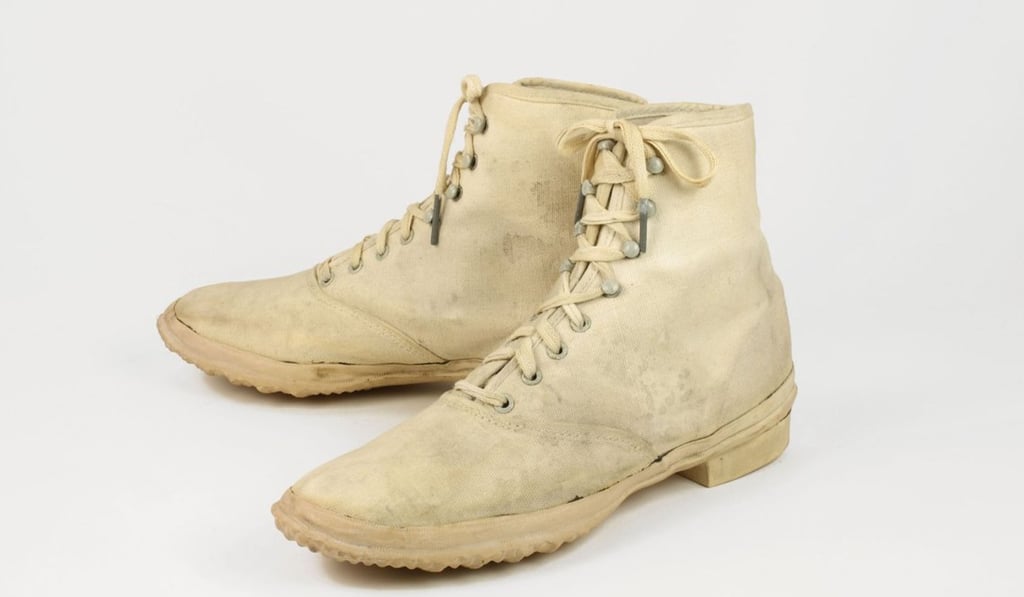
The first sneaker, called the Keds Champion and made by the United Rubber Company in 1916, is still on the market today. Photo: Bata Shoe Museum

In 1917 the Converse Rubber Shoe Company introduced its indoor gym shoe. The white canvas Colorway seen here was called the Non Skid, and the brown colourway – not pictured – was called the All Star.
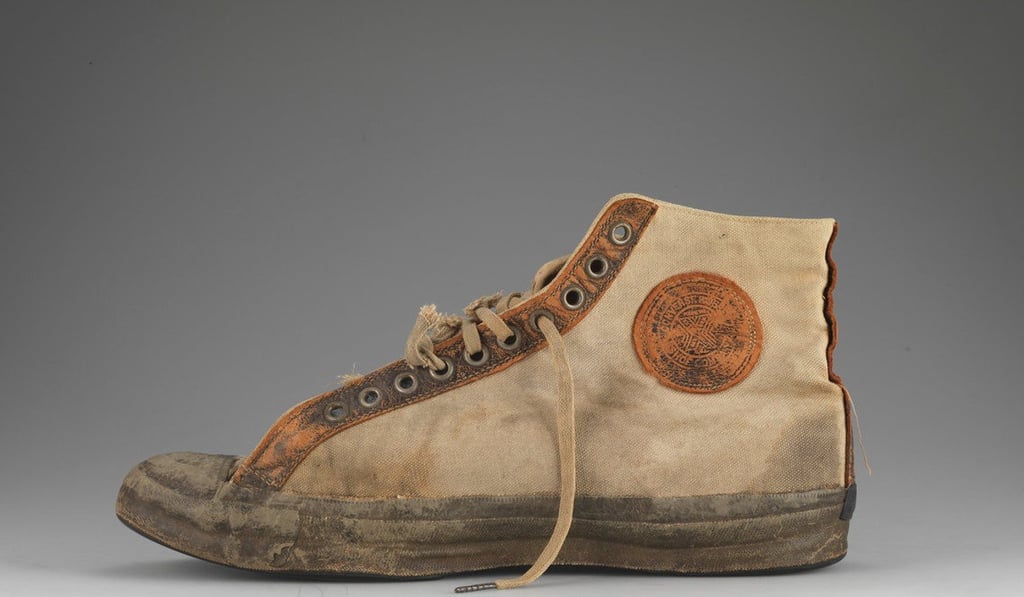
The Converse Rubber Shoe Company made the Colorway sneaker in 1917. The shoe featured the iconic toe cap, toe bumper, license plate at the heel, and an inner ankle patch. Photo: Converse

In 1934 the iconic Converse All Star shoes got a very important upgrade: American basketball player Chuck Taylor's name was added to the logo. The shoes had adopted alterations throughout the years, but Semmelhack wrote that this was the most dramatic. After all, there are plenty of people today who simply refer to these as “Chucks.”
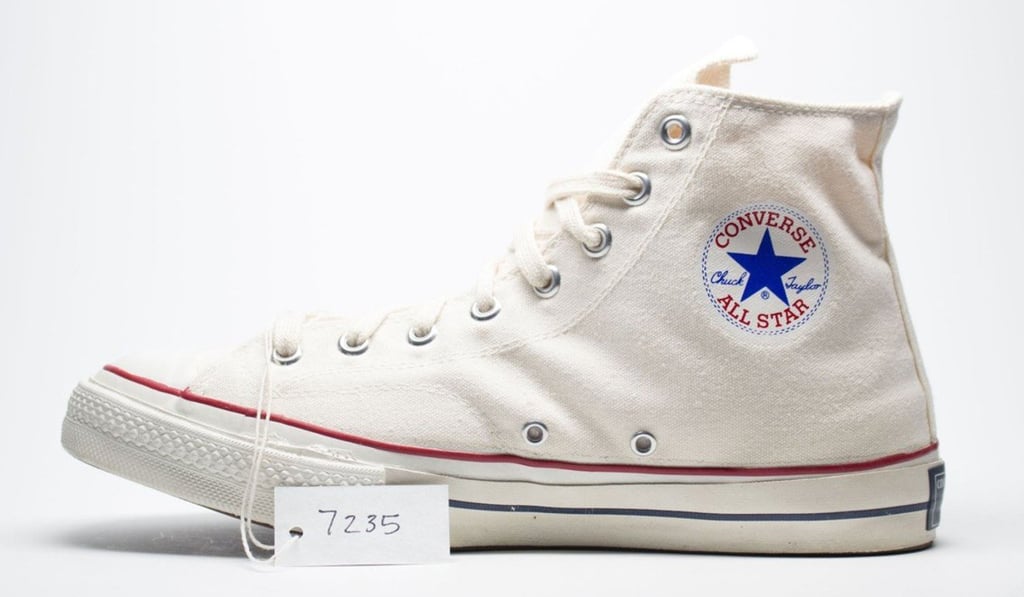
The Converse 1940 All Star with American basketball player Chuck Taylor's autograph on the logo. People still refer to these sneakers as ‘Chucks’. Photo: Converse

In the 1950 the Adidas Samba was designed to be worn in icy conditions. Semmelhack wrote that it picked up steam in the 1960s and then was remodelled in the 1970s and given a new purpose: indoor soccer. She wrote that it then became one of the bestselling sneakers in Adidas history.

Select Voice
Choose your listening speed
Get through articles 2x faster
1.25x
250 WPM
Slow
Average
Fast
1.25x