Why more Chinese are buying holiday homes in Hawaii, the 50th state of the US

Properties in the sun-drenched island paradise of Hawaii range from as little as US$250,000 for a modest home to oceanfront estates worth millions of dollars
The richly diverse Pacific Islands that make up the 50th state of the US offer a selection of properties for every taste and budget.
Holiday destinations don't come much dreamier than sun-drenched Hawaii. It's easy to be charmed by the islands' beautiful beaches and tropical landscapes, but visitors say the spirit of aloha (literal translation peace, love and compassion – a philosophy held so dear to Hawaiians that it’s even enshrined in local law) is what keeps them coming back.
No wonder, then, that the 50th state of the US is also a second home location of choice not only for Americans, but for buyers from around the world.
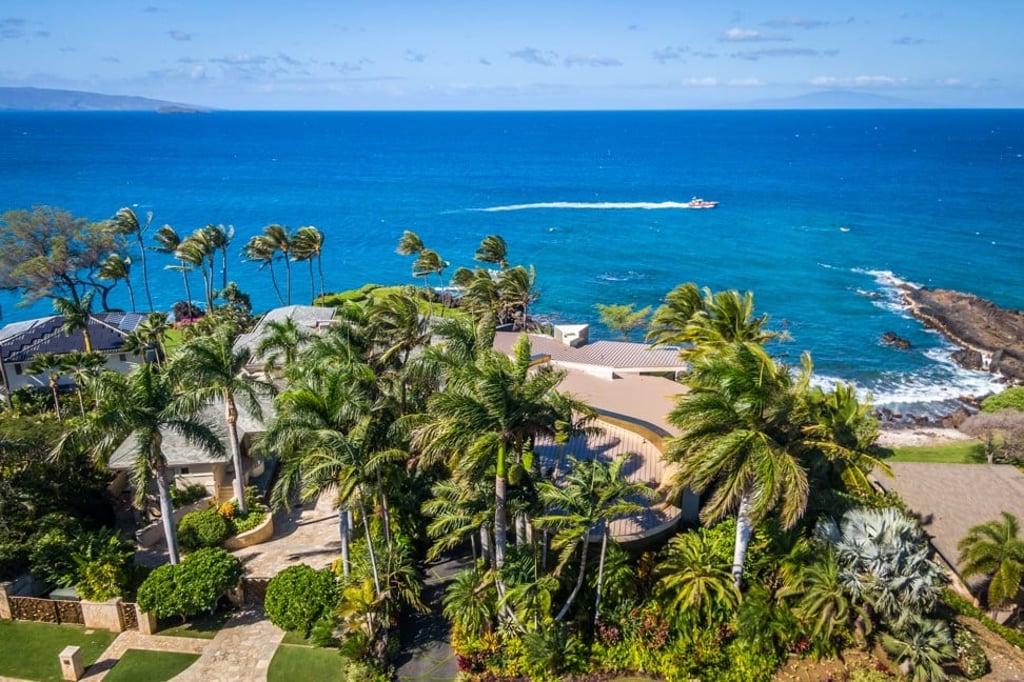
Properties range from budget-priced homes of US$250,000 to exclusive oceanfront estates worth many millions of dollars.
In the capital Honolulu, on the island of Oahu, prices rose moderately in July, setting records for single-family homes (median US$835,000) and condominiums (US$461,500) according to Honolulu Board of Realtors. But Jenny Brady, the organisation’s president, says this should not be taken as a bellwether for the rest of the state.
“The markets are vastly different from island to island and within each region of each island,” she said.
Most properties being sold in Honolulu are on the market for less than 30 days and “there is still a need for inventory to meet the housing demand across all price ranges,” Brady said. She added that the Oahu housing market “is attractive to foreign and US buyers because of the beauty of the islands, stability of the government, safe environment, and multicultural community”.
Indeed, such is this state’s appeal that two Hawaiian locations rank in the top five “power markets” in Coldwell Banker Real Estate LLC's State of Luxury Real Estate 2019 report. Defined as locations where the wealthiest and most powerful players tend to own property, “power markets” offer a range of lifestyle opportunities, cultural experiences and educational choices. Other key indicators of “power” status include airport accessibility, ease of doing business, a prestige brand presence, and a housing stock that prioritises privacy, views, and exclusivity.
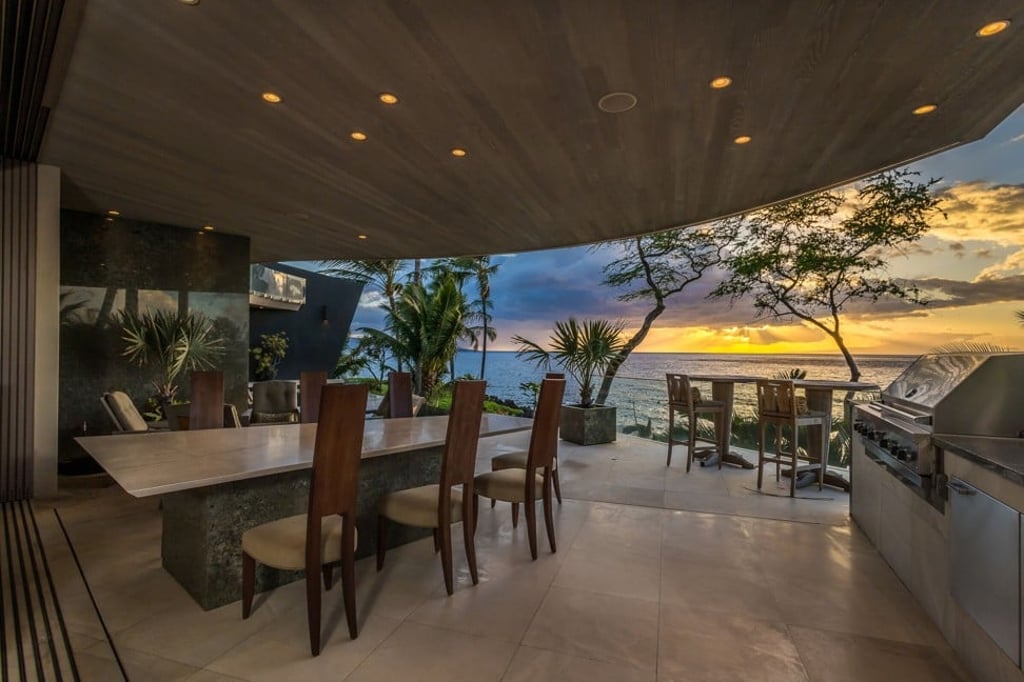
Top-ranking Maui, the second largest of Hawaii’s five major islands, attracts sports enthusiasts from around the world to play on its wide sandy beaches, pristine blue waters, and dozens of golf courses and tennis clubs.