Who Made My Clothes: How Gen Z ‘woke’ up luxury brands like Chanel and LV to fur-free and sustainable practices

Ralph Lauren, Prada, Saint Laurent, Balenciaga, Michael Kors and Burberry feature among industry leaders in the ‘Great Awokening’ who are pushing for transparency in production, and banning the use of animal fur – thanks to the changing customer demographic
When the Paris-based luxury conglomerate LVMH announced its new partnership with Stella McCartney in July, many of the specific details were kept under wraps, but one of the biggest – specifically what made the eco-conscious, London-based vegan fashion designer an attractive partner in the first place – was not one of them.
“A decisive factor was that she was the first to put sustainability and ethical issues on the front stage, very early on, and built her [fashion h]ouse around these issues,” Bernard Arnault chairman and CEO of LVMH, said. “It emphasises LVMH Group’s commitment to sustainability.”
When Gucci … Prada and Versace announce [going fur-free] on Instagram, I think they’re looking to reach Gen Z … The buying power of that generation is going to be so much bigger than the boomers
That move came on the heels of July’s Ralph Lauren announcement of a slate of ambitious do-gooder goals including using 100 per cent sustainably sourced key materials by 2025, increasing female representation in factory management by 25 per cent in the same time frame, and having greenhouse gas reduction targets in place by the end of next year.
In June it was French luxury group Kering – a partner in McCartney’s label until early last year – making headlines with the announcement that its fashion houses, Gucci, Balenciaga and Saint Laurent among them, would hire only models aged 18 and older for its runway shows starting from next year.
Also in May, Prada and the Humane Society issued a joint statement declaring that the Italian luxury group’s stable of brands would not use animal fur from the spring and summer 2020 women’s collections onwards.
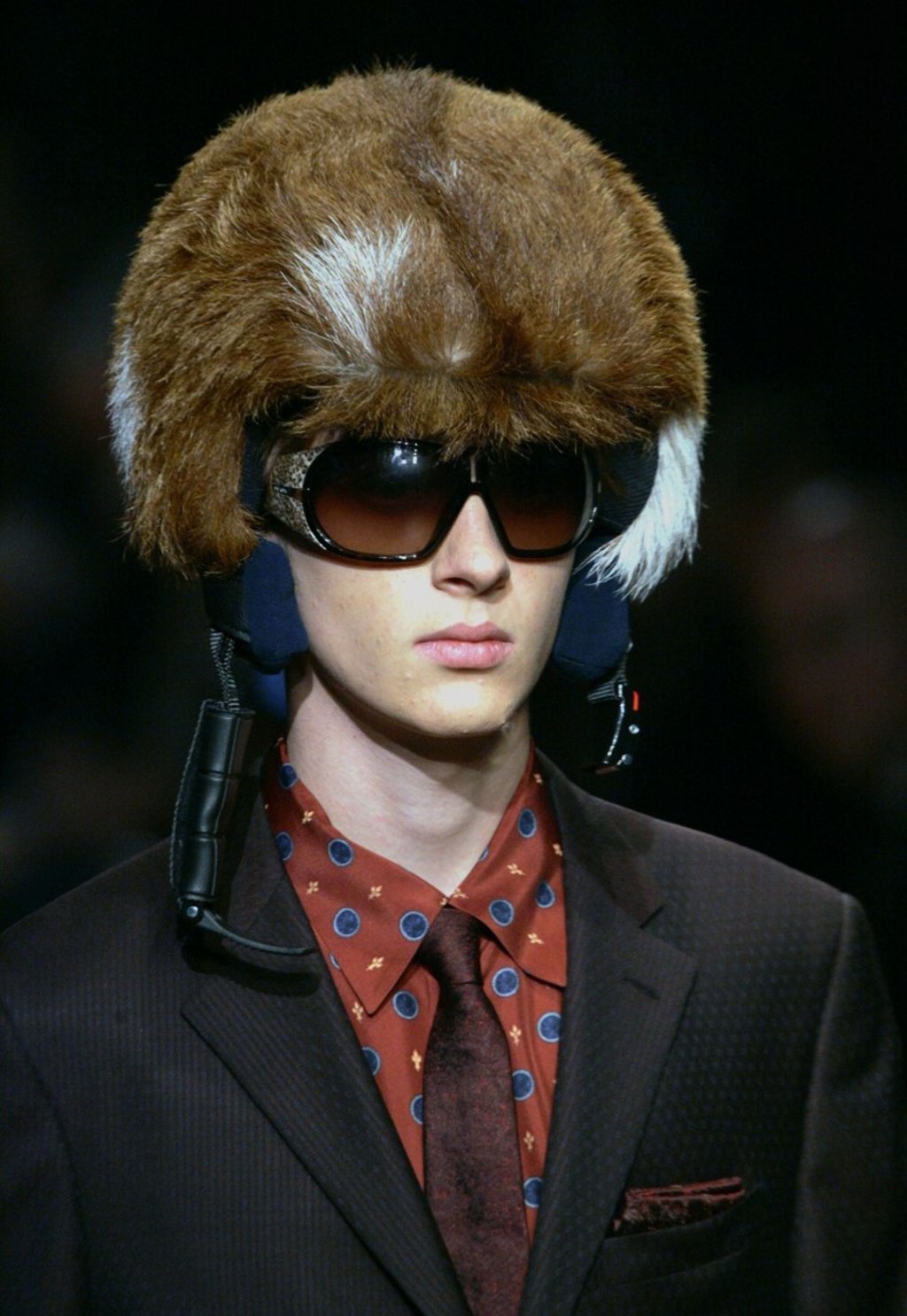
That made it the latest in a rapidly growing list of high-profile luxury labels to forswear fur, including Michael Kors, Coach, Burberry and Chanel (in the latter half of 2018 alone).
Also in May, American fashion designer Tracy Reese, who had taken her eponymous label on hiatus two years ago, returned with a sustainably and ethically focused Hope for Flowers by Tracy Reese line, the first collection of which used textiles hand-printed and sewn into garments in the US state of Michigan.
What’s behind the fashion industry’s “Great Awokening” – the American phrase that plays on the popular word “wokeness” now widely used to describe a state of awareness, especially in matters of social justice?