How rental platforms like Rent the Runway, Tulerie, and Yeechoo are fuelling luxury fashion’s fight for sustainability

Why buy, when you can rent? Environmentally conscious fashionistas are embracing online fashion rental and clothes-sharing communities
Fashion is the world’s second biggest polluting industry – and staying fashionable is becoming ever costlier to Mother Nature, according to a United Nations agency.
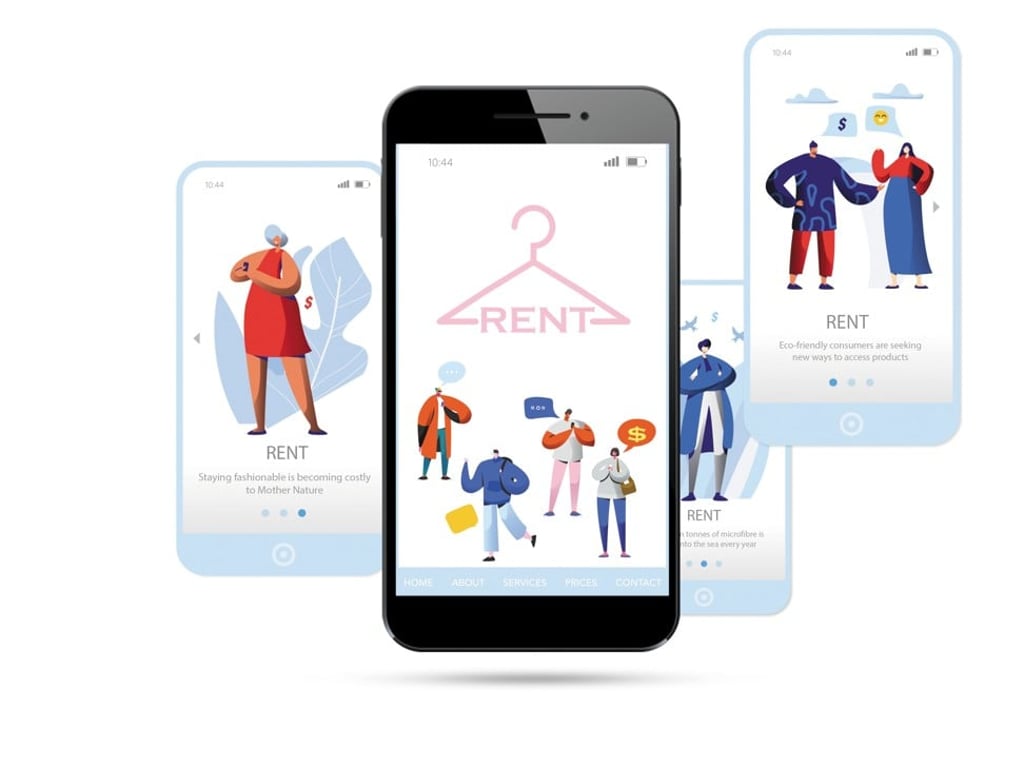
The UN Conference on Trade and Development (UNCTAD) says that around half a million tonnes of microfibre – the equivalent of 420,000 tonnes of oil – is now being dumped into the oceans every year.
To be more specific, it takes around 7,500 litres of water to make a single pair of jeans (including irrigation for cotton and the processing of denim), which is equal to the amount a person drinks over seven years.
The industry also produces more carbon emissions than all international flights and maritime shipping combined. The chief culprit: fast fashion offered at low prices and peddling speedy updates.
At the recent G7 summit in Biarritz, France, fashion power players from luxury titans Kering (owner of Gucci and Saint Laurent) and Inditex group, to high street labels H&M and Zara, joined world leaders in discussing how to improve sustainability practices in the fashion industry.
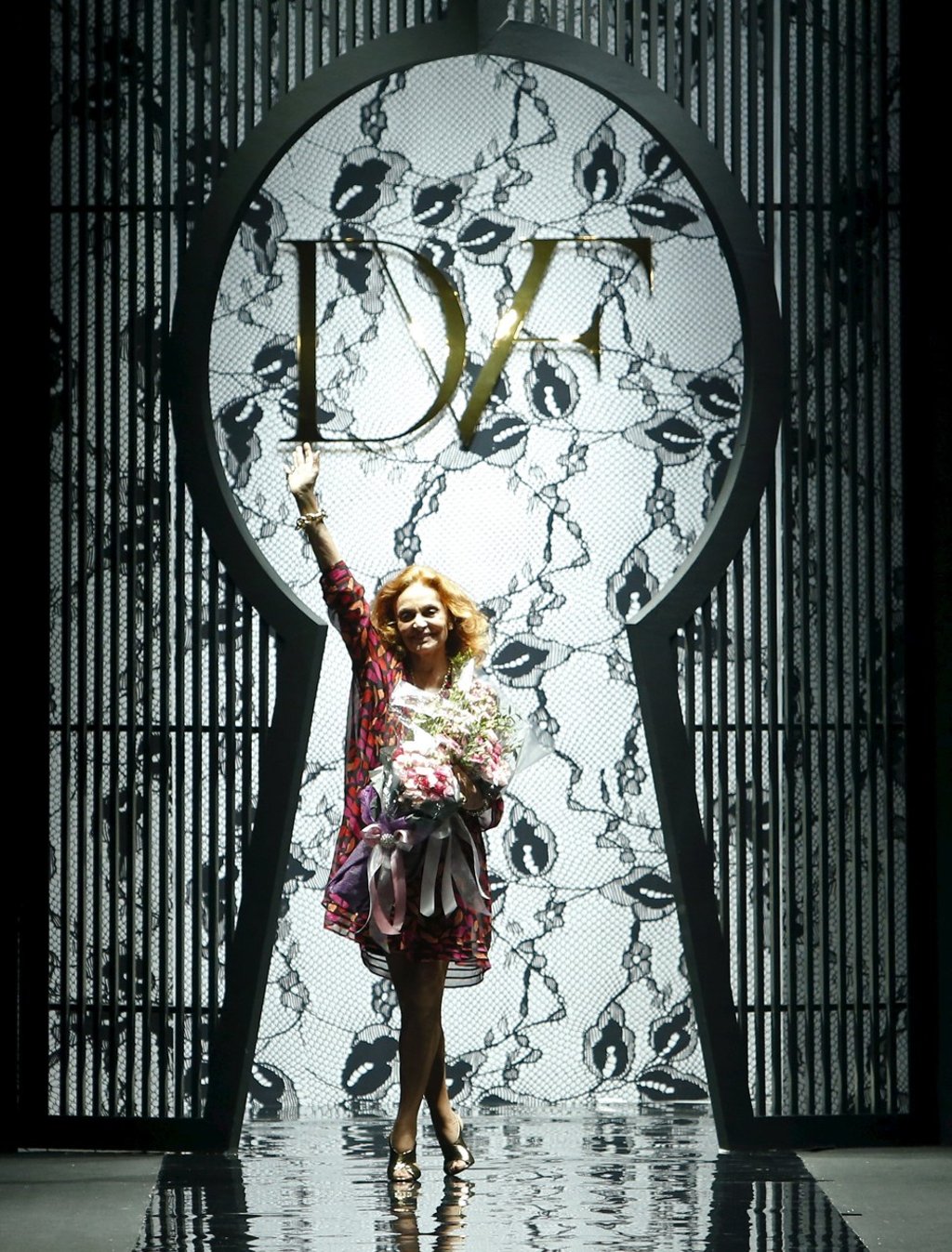
Consumption patterns are quickly shifting as customers become more environmentally friendly and conscious about sustainability.
Mckinsey’s The State of Fashion 2019 report says the customers’ appetite for variety, affordability and sustainability continues to grow, but their desire to own fashion items is declining, and they are instead seeking new ways to access products.
Because younger customers crave novelty – while luxury sellers sporadically raise retail prices – the fashion rental trend is increasingly disrupting traditional consumption and emerging as an effective way to get more while buying less.