STYLE Edit: How Coco Chanel’s style changed after her intense love affair with a Russian grand duke

The pioneering French designer may never have set foot in Russia, but a brief, passionate romance with Tsar Nicholas II’s cousin Dmitri Pavlovich introduced Chanel to the mysterious motifs of Slavic-Russian culture
Despite the fact Mademoiselle Gabrielle Bonheur “Coco” Chanel never set foot in Russia, the Parisian designer became obsessed with its aesthetic in the 1920s.
Le Paris Russe de Chanel collection, presented by Patrice Leguéreau, director of the brand’s Fine Jewellery Creation Studio, comprises 63 pieces that explore either the extravagant royal motifs of the late dynastic period, the folksy Slavic art of the Russian countryside, or Mademoiselle Chanel’s own artistic interpretation of the land she never visited – imbuing her own, familiar house codes like the iconic Chanel camélia flower.
One might think the folksy Russian colours and royal ornamentation are at odds with the classic contemporary looks of Chanel. Some may even doubt that the queen of the little black dress was ever really interested in embroidered roubachkas and kokoshniks (traditional shirts and headdresses).
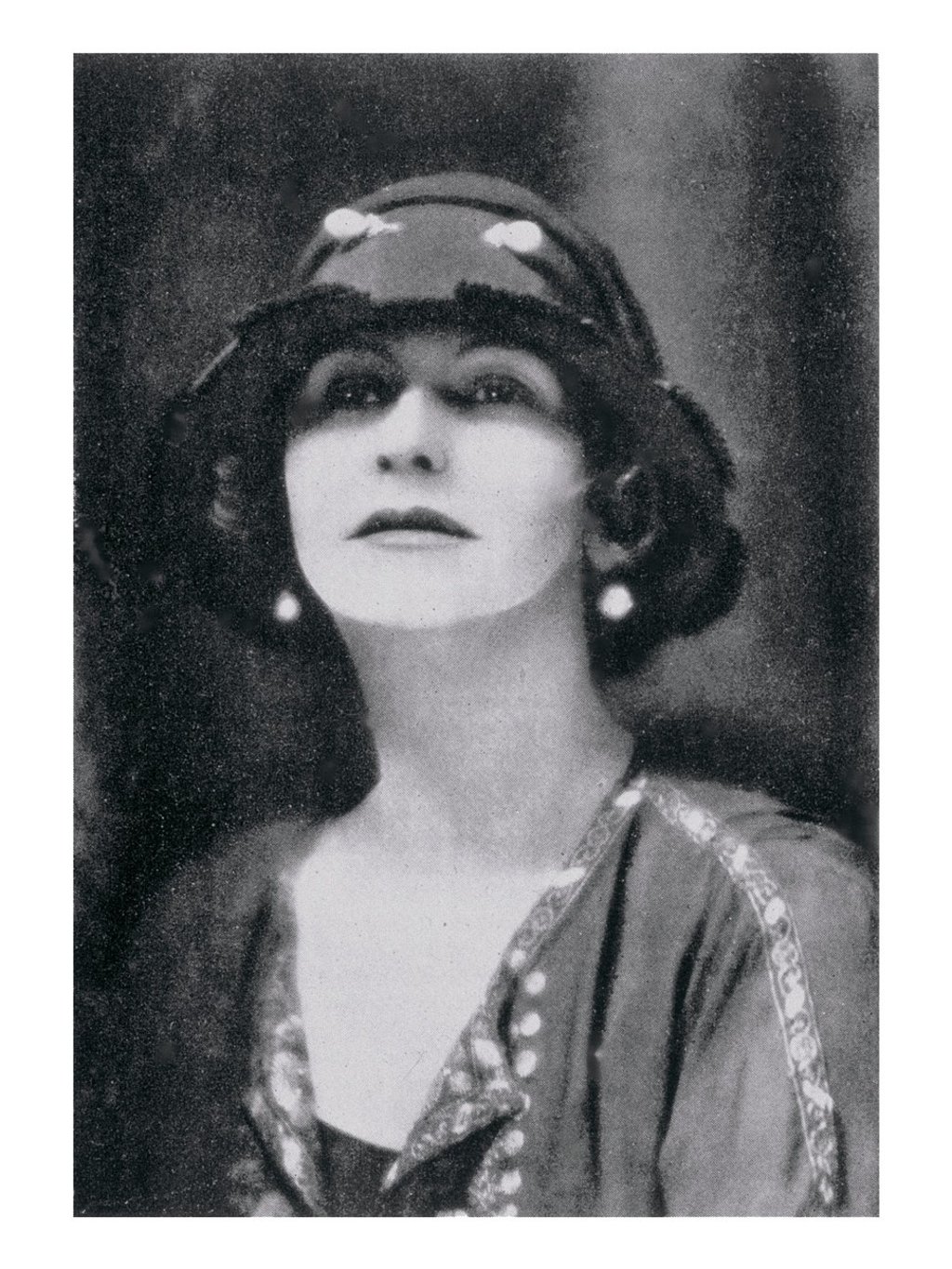
Indeed, it wasn’t until the Russian Civil War, from 1917 to 1922, that around 400,000 of the estimated 1.5 million Russian exiles set up residence in France, becoming an important and influential diaspora for the country – and the Parisian designer. These were political refugees but also singers, artists, actors, dancers, musicians, admirals and aristocrats.
One man, the Grand Duke Dmitri Pavlovich, cousin of Tsar Nicholas II, famously seduced Chanel into an intense, albeit brief, affair. He, among other exiled Russians in Paris, introduced Chanel to the motifs and designs of the mysterious Slavic-Russian culture.
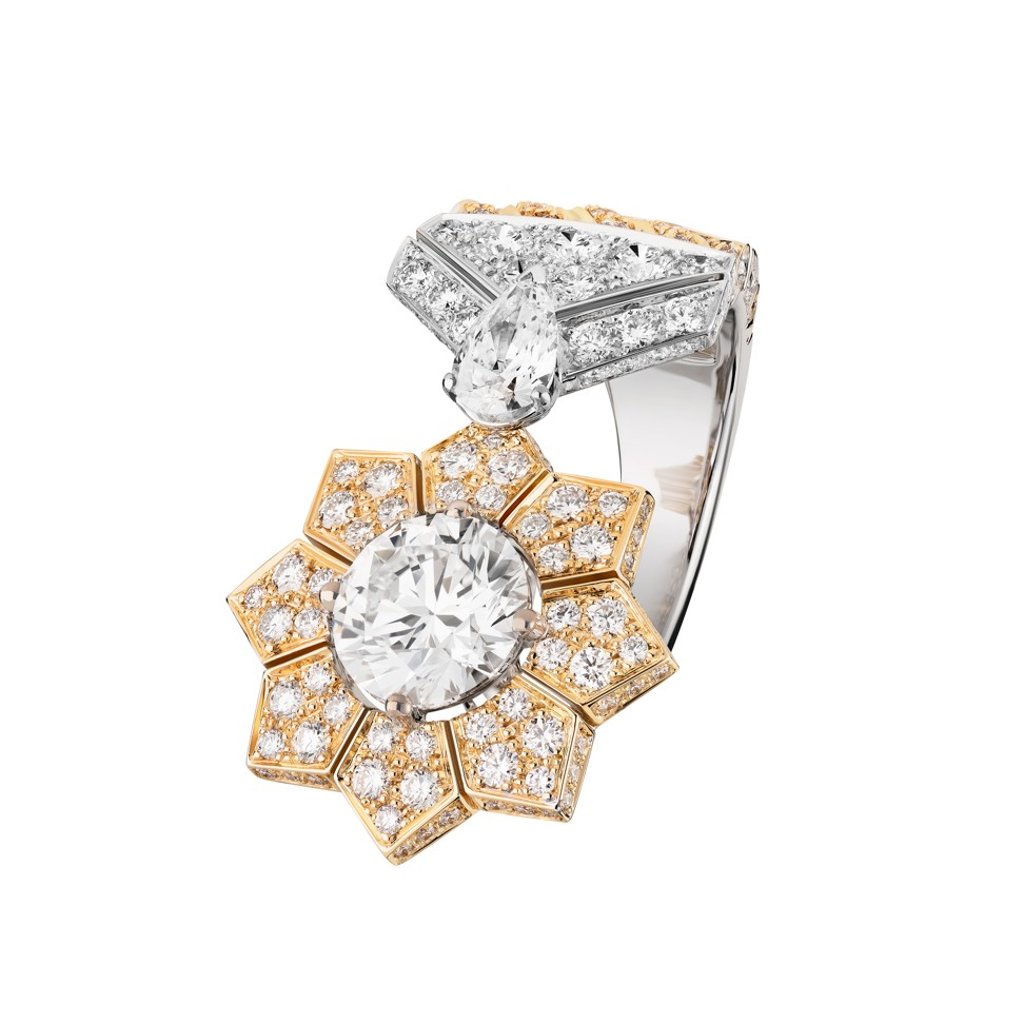
One such motif perhaps rested on Pavlovich’s chest – and inspired the Medaille Solaire line we see in the La Paris Russe collection. Russian dynastic orders typically featured a star or plaque medallion at the centre; an eight-pointed star with rays, encrusted with diamonds, was usually set on silver or gold. The Russian dynastic orders no longer exist in the Russian
In Chanel’s Medaille Solaire, the statement ring is in white gold, with yellow gold star points, and set with diamonds.
The influence of Byzantine art in Russia can also be seen in the Broderie Byzantine line of the Chanel Joaillerie collection. The Roman empire spanned extensively across Europe, reaching Russia by the 10th century when Orthodox Christianity was adopted. With this, the richness, elegance and holier-than-thou aesthetic joined Russia’s artistic repertoire.
The Broderie Byanztine ring features white gold, cultured pearls and diamonds, evoking a similar sense of opulent gravitas.