Is panettone a cake or a bread? The story of Italy’s fruity Christmas favourite

For Italians, Christmas wouldn’t be Christmas without panettone – but is it time the rest of the world caught on to the Milanese sweet bread staple?
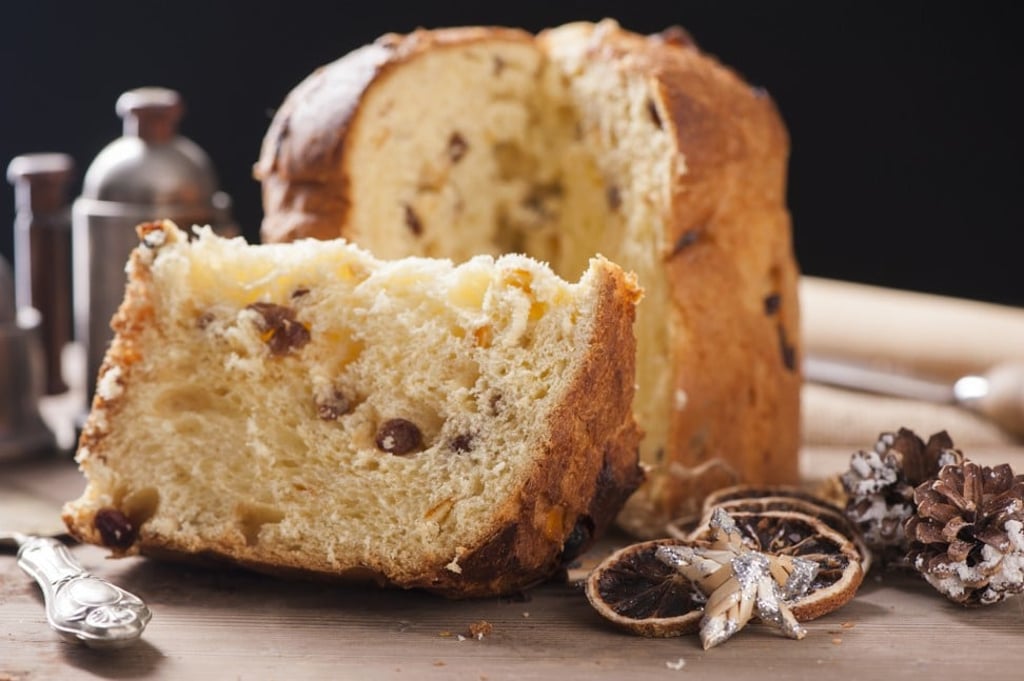
Panettone is Italy's beloved Christmas sponge cake. Golden-coloured, puffy and soft, it’s shaped like a mushroom cap and embossed with a festive cross motive on it. The outer surface is darker, slightly burned, and raisins stick out of it. Italians believe that Christmas without panettone just wouldn’t be Christmas.
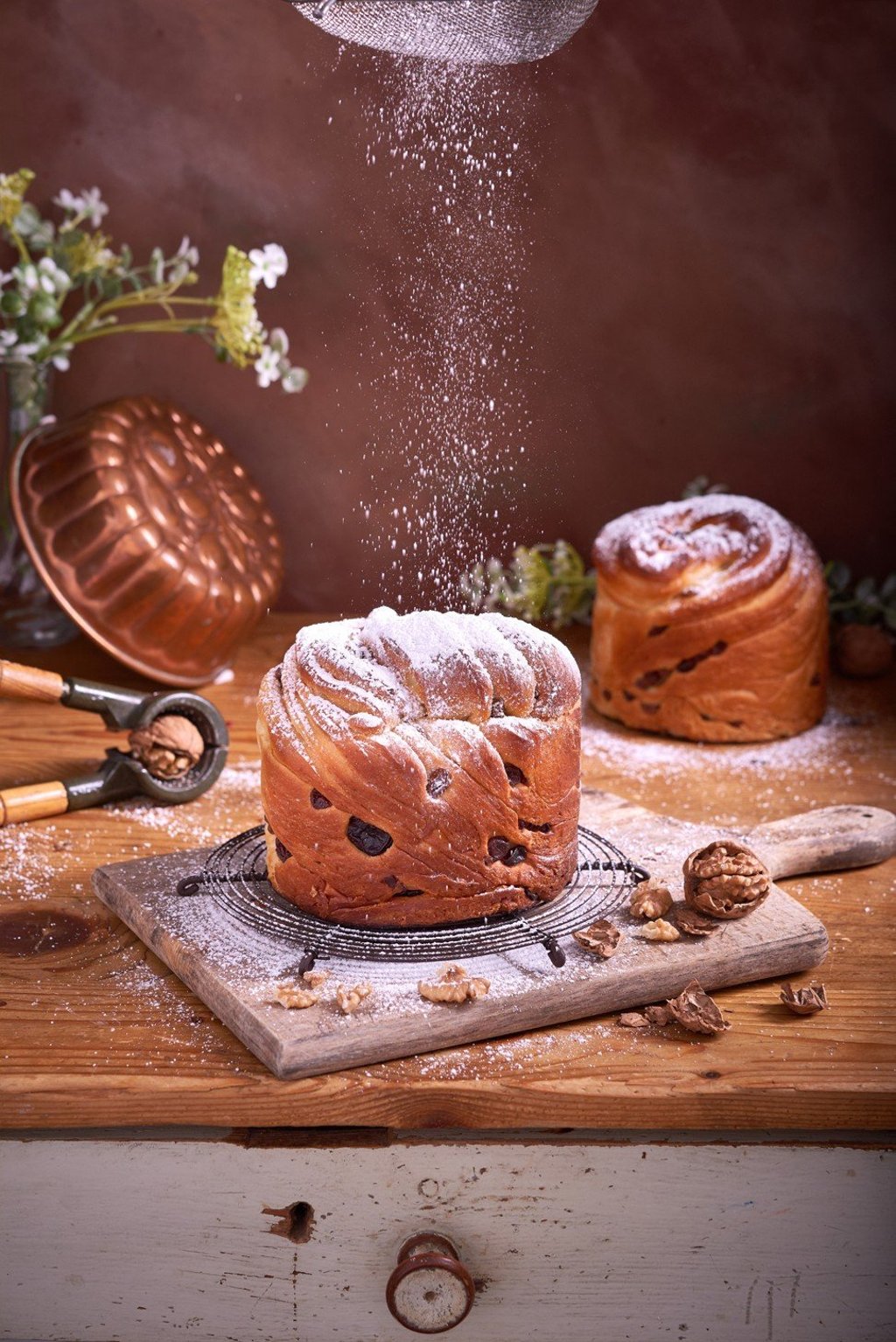
Mothers start piling up at least five of these cakes weeks before the celebrations actually kick off, to make sure families won’t run out. The first panettone box is opened and tasted on the night of December 24, at the end of the Christmas Eve dinner, but after that magical moment children indulge in it at breakfast and as a snack throughout January and February, until all the panettone are finally sold out.
It’s always been the best treat, after Santa Claus' gifts, of course. The soft dough is a sublime blend of raisins, candied citrus peel and butter which melts in the mouth and quickly becomes an addiction. As Italians say: “one slice calls for another”, and in seconds, the whole cake is swallowed down in a frenzy.
So how did such an irresistible delicacy come to be?
Panettone hails back to the northern region of Lombardy and its main city, Milan, where local authorities have set up a network of certified artisan pastry shops that keep the tradition going. Tourists are handed the panettone tasting tour map to make sure they stop at every gourmet spot. Savouring a slice of panettone is a must-do on any Milan trip, and not doing so would be equal to visiting Naples and missing out on pizza. Panettone is a city symbol, just like the Duomo cathedral.
“The origins of panettone are romantic and melancholic at the same time,” says Mariano Massaro of Pasticceria SeM, in the town of Morazzone, who has won several prizes for his artisan panettone. “It’s a story of passion but also of heartbreak. As for most supreme pastry creations, it was the end result of a culinary mistake made by a guy who was lovesick.”
Legend has it that one cold Christmas Eve back in the 1400s, at the castle of the local Sforza ruling family, a baker’s boy named Toni was preparing bread for dinner. But despite the joyous celebrations he wasn’t in the mood to party. Toni was sad and distracted as his girlfriend had just dumped him, so in an involuntary gesture he dropped eggs, sugar and raisins into the dough. The bread, instead of being salty, turned out to be sweet, but it was already late and he had no time to make another one. “In a desperate move, he served it and luckily for him the ruler and his guests loved it: that’s how Toni’s bread – ‘il pan de Toni’ in Italian – came to be,” says Massaro.
There’s also another simpler, more realistic version of the story. Ever since the Middle Ages locals in Lombardy liked to celebrate Christmas with richer, more lavish breads made with premium wheat not typically eaten every day. These breads were larger, hence another likely origin of the name “panettone”, which in Italian also means “big bread”. The loaves were placed to bake above burning logs inside a huge fireplace around which families would gather to celebrate. As time went by and families could afford it, sweet ingredients like raisins and candied fruit were added so the bread eventually became a cake.