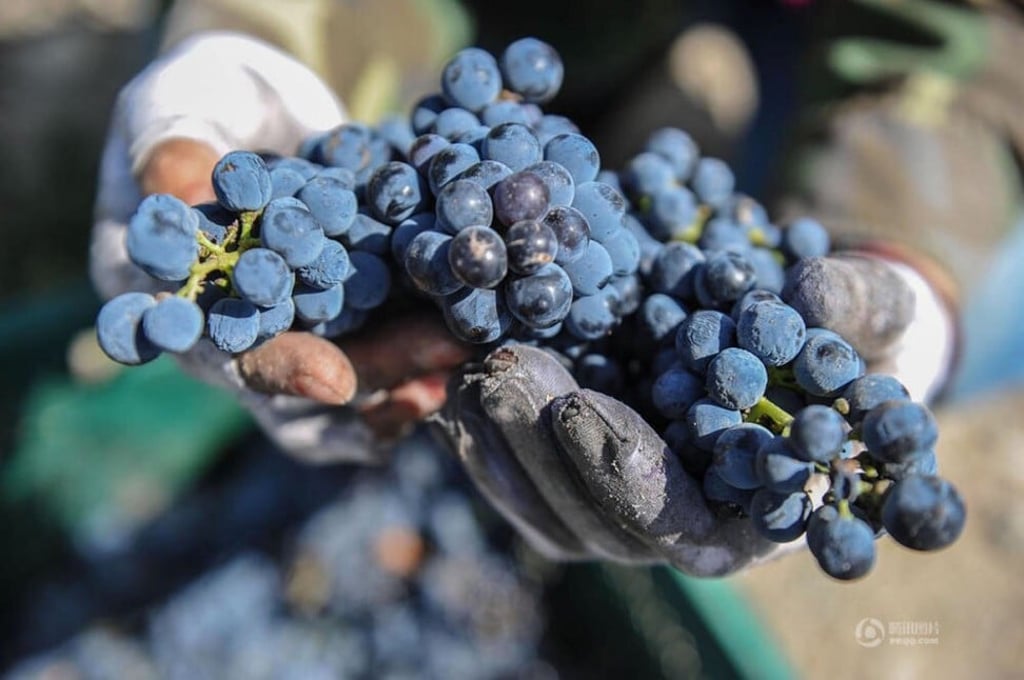
Why China’s biodynamic wines are gaining a cult following at home and are loved by connoisseurs from Europe and Japan

Sustainable farming practices that use natural materials, soils and composts are taking root in the Ningxia region, thanks to the arrival of European and Western-educated Chinese winemakers
Since its initial development by the Austrian philosopher and scientist Rudolf Steiner in the 1920s, biodynamic farming has been adopted by several notable vineyards in countries such as France, Switzerland, Italy, Spain, Austria, Germany, Australia, Chile, South Africa, Canada and the United States.
In the past decade, the movement has spread westwards and taken root in the Ningxia wine region of China, thanks to the arrival of European and Western-educated Chinese winemakers.
Biodynamic viticulture refers to farming practices that create a self-sustaining and sustainable system, using natural materials, soils and composts. Chemical fertilisers and pesticides are forbidden and replaced instead with nine preparation methods (coded as Preparation 500 to 508) made from herbs, mineral substances and animal manure turned into field sprays and compost to sustain soil fertility.
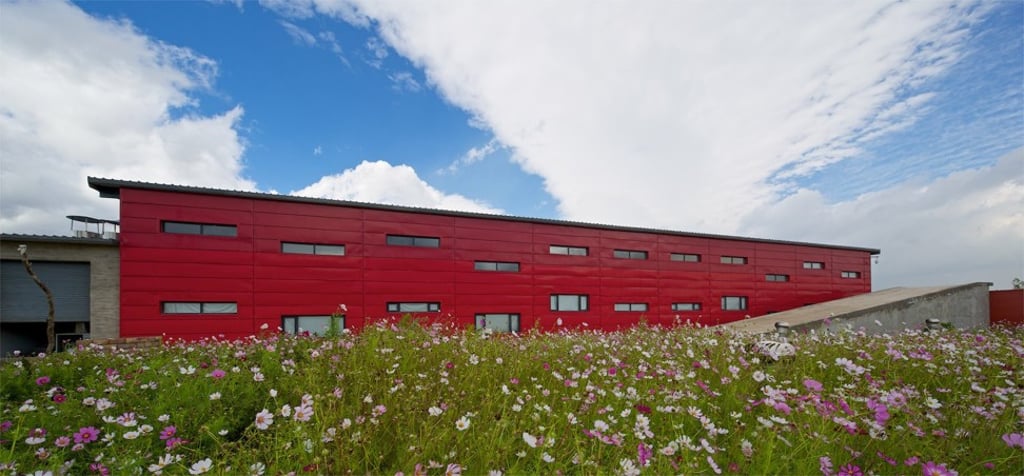
The best known example is Biodynamic Preparation 500 (BD 500), the original biodynamic soil spray, made from fresh cow manure that is buried in cow horns over winter. It is a powerful soil activator that helps root development and plant growth, as well as humus formation in the soil.
Biodynamic followers coordinate soil treatments with the lunar calendar, believing that plants are more receptive to practices like fertilising or pruning on particular days or phases of the moon.
The continental desert region of Ningxia receives more than 3,000 hours of sunshine a year – more than Bordeaux – with annual rainfall averaging just 300mm or less. Winter temperatures are extremely severe, plummeting to minus 25 degrees Celsius. These climatic features call for wine oenologists to practise biodynamic viticulture by adjusting to the terroir, including burying the vines in the ground through winter for four months until spring to mitigate damage to the vines from chilly winds.
“Ningxia’s climate has its pros and cons, like anywhere else. I think the area is ideally suited as we don’t face problems such as moisture or fungus diseases seen in European vineyards,” says Lenz Moser, chief winemaker of Chateau Changyu Moser XV, which he co-launched in 2013 with China’s largest winery, Changyu.
Chateau Changyu Moser XV announced in 2019 that it was converting its entire 250 hectares of vineyards into biodynamic viticulture in five years. Moser belongs to the 15th generation of a prominent Austrian winemaking family which started in the business in 1610. His father and namesake is credited with having been the first winemaker to launch biodynamic viticulture in Austria in 1978.