Win-win: What brands like LVMH, Dior, Kering, Tod’s and Prada gain from opening their wallets to restore cultural landmarks like Notre Dame and the Colosseum

Donations from brands are often mutually beneficial, and those brands that contribute towards restorations are learning to be more respectful of local communities, following criticisms that they ‘think they’re buying bits of heritage for their own purposes’
Fashion brands have lent a hefty helping hand to monuments around the world in the past two decades: Versace and Prada notably opened their wallets for the restoration of Milan’s Galleria Vittorio Emanuele II landmark as early as 2008, followed by Diesel’s renovation of Rialto Bridge in Venice seven years later; Fendi’s €2 million (US$2.241 million) restoration of the baroque Trevi Fountain in Rome in 2013; Bulgari’s rescue of the Spanish Steps two years later; and, perhaps most notably, Tod’s Group’s five-year project restoring none other than the Colosseum, the first phase of which was completed four years ago.
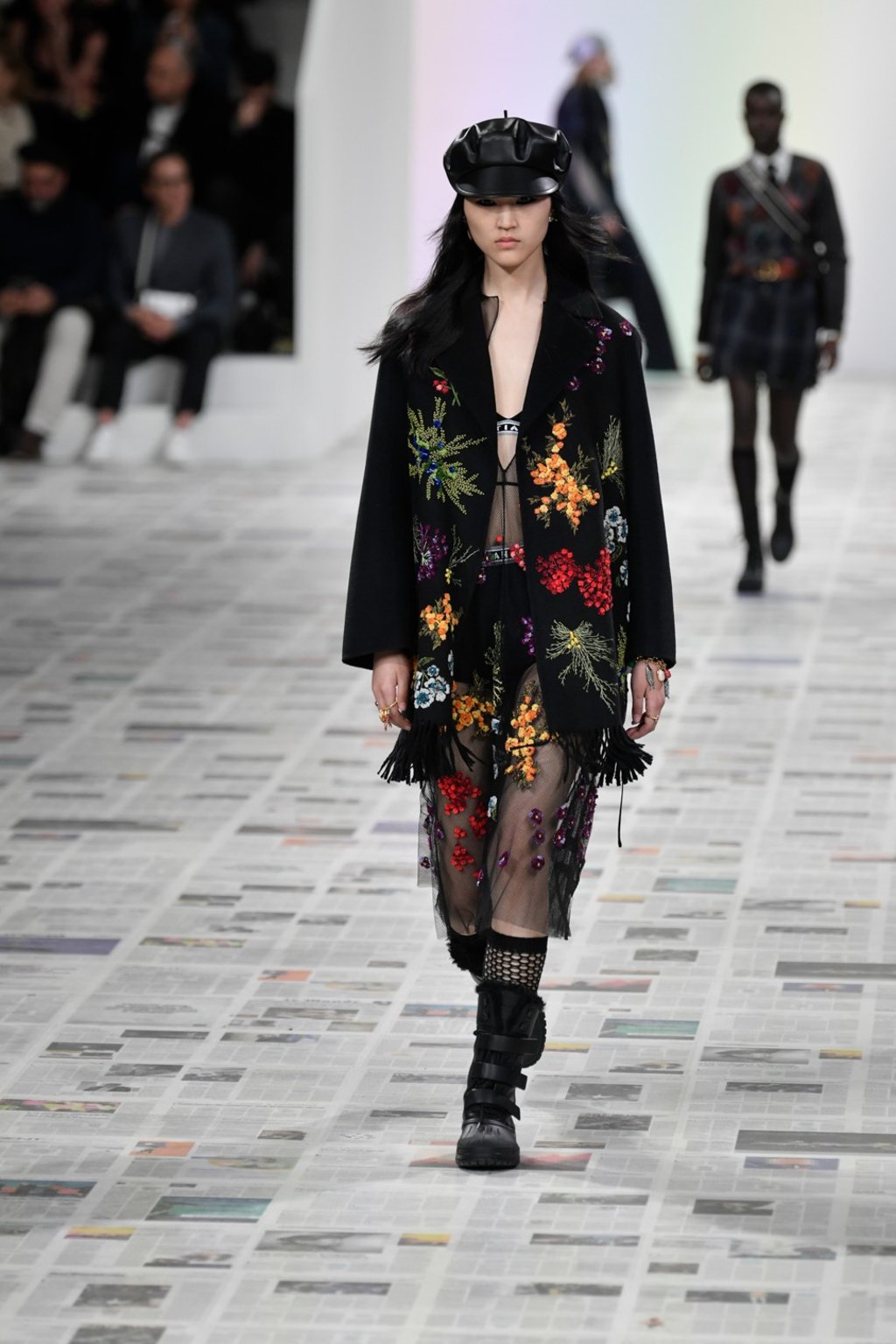
LVMH has an ongoing preservation programme at Château de Versailles and its estates; Dior, which hosted its spring/summer 2020 show around a lush indoor forest, announced a five-year partnership with the Louvre Museum to help restore the Tuileries Garden, a Parisian landmark created in 1564, where it will show its autumn collection. In 2017, Prada lent a helping hand to the restoration of Rong Zhai, an early 20th century mansion in Shanghai.
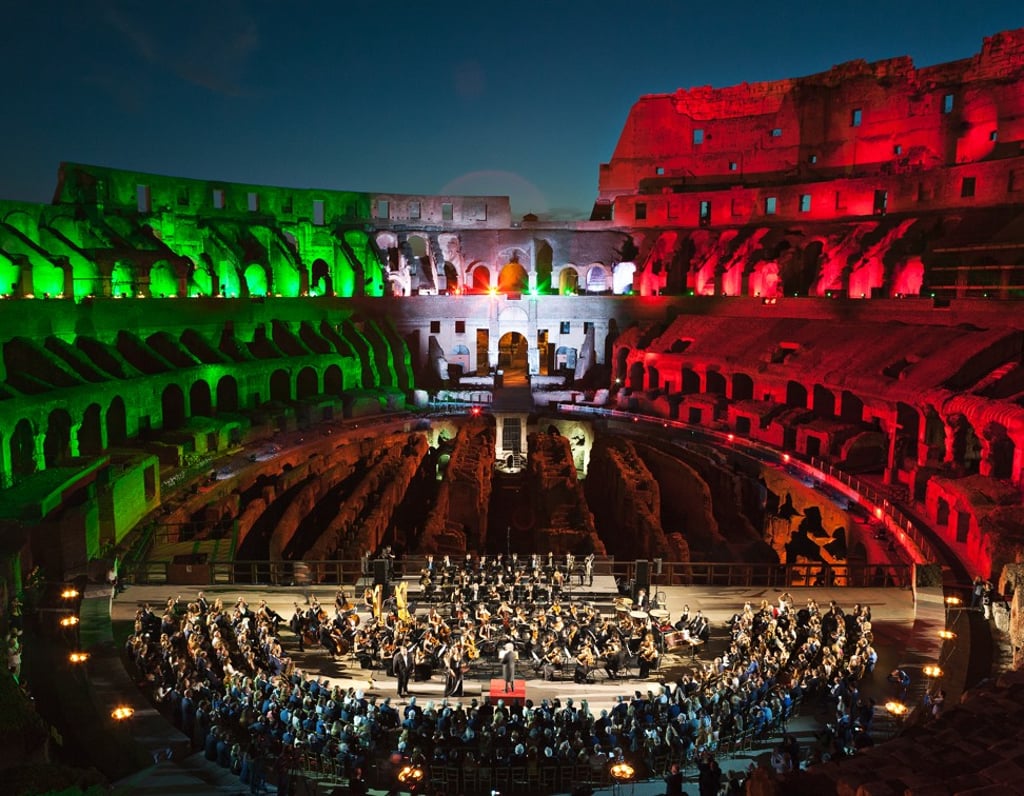
Chanel’s €25 million splurge on the restoration of Grand Palais, its historic show venue, is expected to finish by the end of this year; not forgetting, of course, the contributions by LVMH and Kering’s owners to the €1 billion-plus raised for the restoration of Notre-Dame de Paris cathedral, badly damaged by fire in April 2019.
These fashion label initiatives do not come unsolicited. The details vary for each project, but Italy was welcoming private sponsors to save her monuments in 2010, when public debt was a staggering 120 per cent of national GDP.
These lavish donations are a win-win situation given that most of these labels either have boutiques in, or have hosted fashion events at, these landmarks. Depending on the project year, they could enjoy a juicy tax break – 60 to 65 per cent discounts for charitable gifts in France, and for cultural donations in Italy respectively. Prominent signage – like the one Diesel had over Rialto Bridge, and Fendi’s over the Trevi Fountain – is sometimes offered in return during, and even after renovation. If the priceless PR value that comes with resurrecting a historical monument isn’t enough, project completion is surely a time for throwing star-studded parties or launching a commemorative showpiece or two.
That is not to say that maisons don’t genuinely care about these places they call home.