STYLE Edit: why does Omega test its watches for at least 10 days?

Omega was the chosen timekeeper for the allied forces during World War II, the Olympic Games and Nasa’s US space program
What does precision mean in an age when time is kept by computers? Those who still appreciate mechanical timepieces will know that Omega is known for its precise timekeeping. Over the years, the brand has subjected a number of its models to a 10-day testing process that involves eight trials, each designed to ensure the collection of moving parts keeps time as perfectly as mechanically possible.
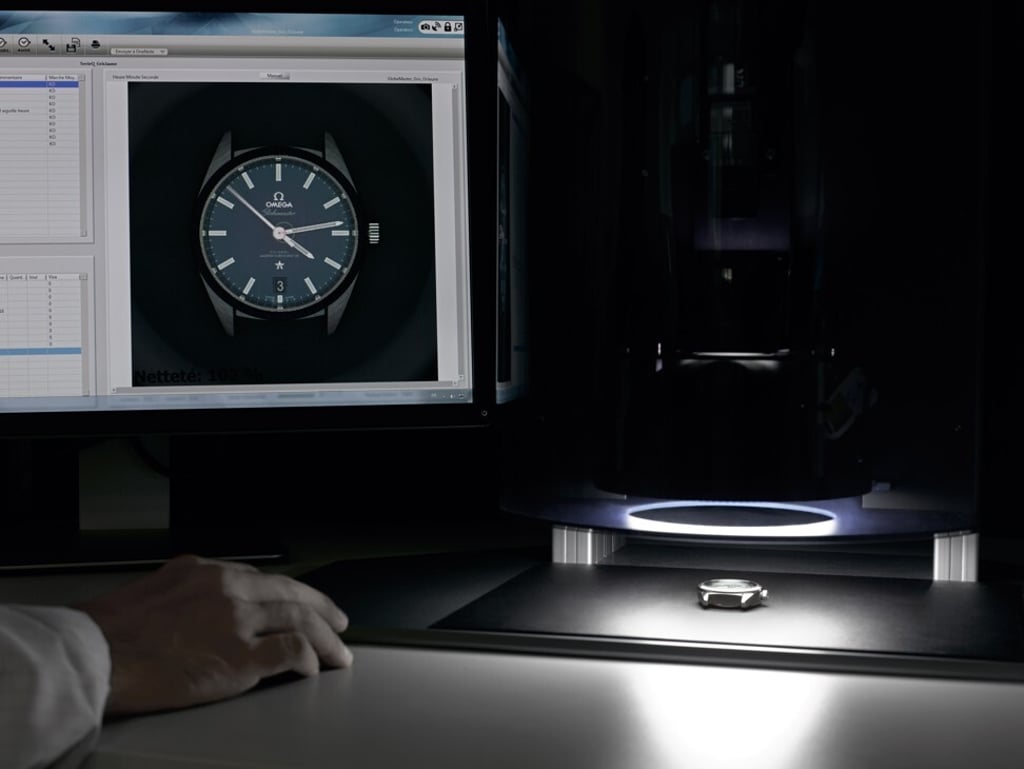
The company prides itself on being the chosen timekeeper for the allied forces during world war two, for the Olympic Games and for Nasa’s US space program. In 1999, Omega took a giant leap in mechanical watchmaking with the introduction of the coaxial movement. Developed over seven years, this was practically the first watch escapement that could resist magnetic fields up to 15,000 gauss.
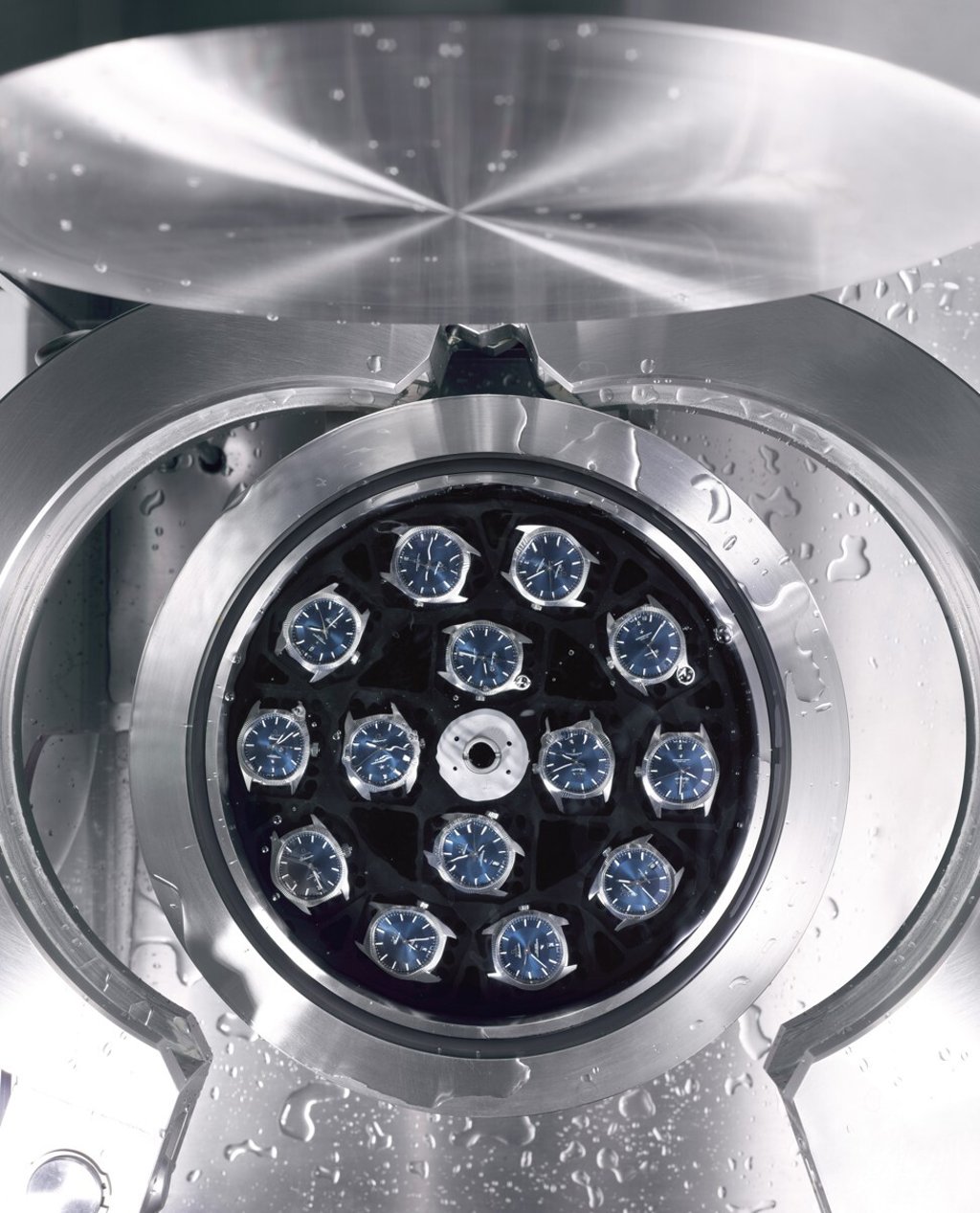
Omega’s extreme antimagnetic technology was a feat in itself but the company decided to take it a notch up with a special certification. While Omega was already submitting its movements to the Official Swiss Chronometer Testing Institute (COSC), it started working with the Swiss Federal Institute of Metrology (METAS) to develop a battery of tests that would subject each watch to temperature fluctuations, magnetic fields of 15,000 gauss, accuracy tests in six positions and more.
The company officially announced the Master Chronometer certification in 2015 and presented the new Omega Globemaster, complying with a new gold standard. Since then, the brand has subjected more and more of its mechanical timepieces to the stringent 10-day testing.
The official government authority on all issues related to measurement, measuring equipment and procedures, Metas is an independent institute that stands at the cutting-edge of measurement accuracy in Switzerland. It ensures that only perfectly-functioning timepieces with extraordinary levels of magnetic resistance earn the Master Chronometer certification.