Panther, camellia, question mark … how Cartier, Chanel, Boucheron and other jewellery houses keep their most iconic motifs fresh and alive

As tastes change, the world’s top jewellery houses balance moving with the times while keeping their design DNA intact
The camellia, the panther, the question mark necklace – three symbols that instantly tell you exactly which jewellery houses are being talked about.
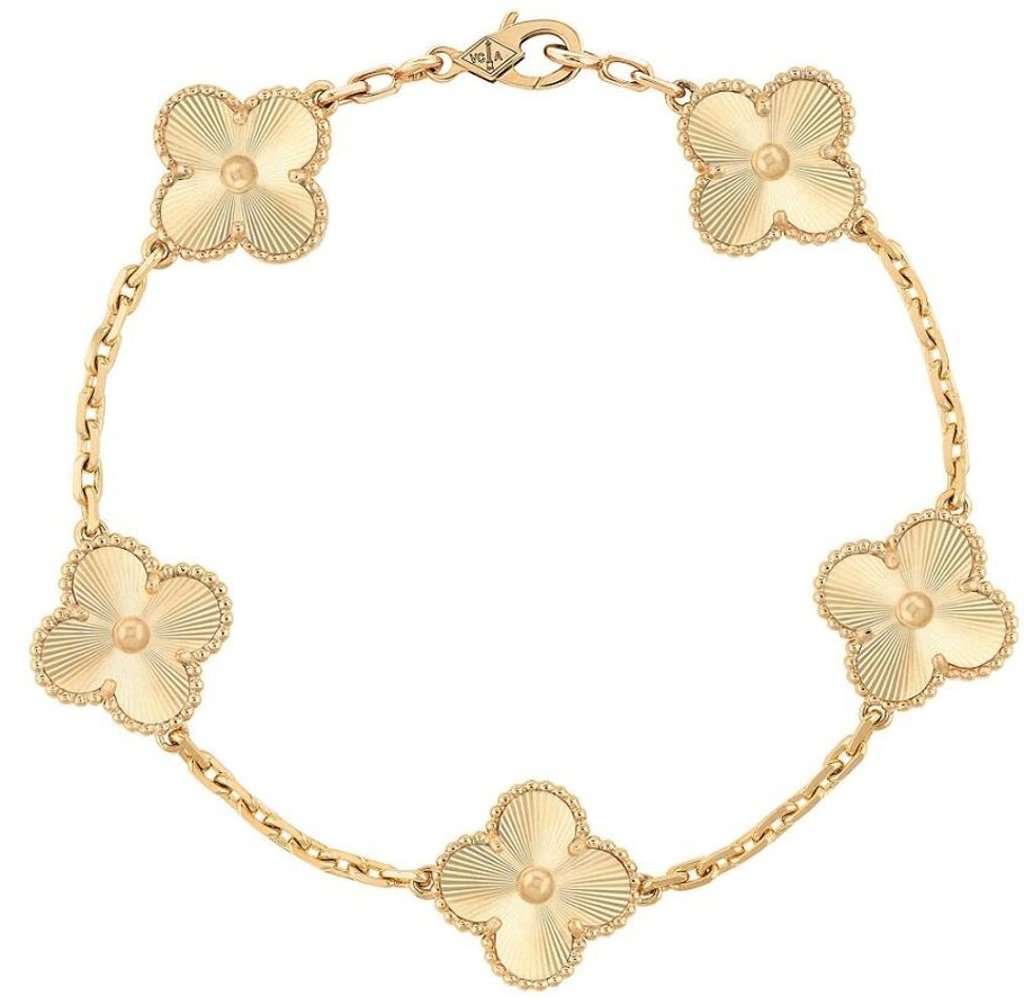
They are the signatures by which we recognise the names Chanel, Cartier and Boucheron, respectively. And there are many more recognisable designs that define other illustrious names in jewellery, such as the dancing figures of Van Cleef & Arpels and the Bulgari serpent – iconic subjects that have stood the test of time, with occasional tweaks or updates to meet changing tastes.
The Panthère has prowled through Cartier’s collections since 1914, when it first featured as a smattering of diamond and onyx spots on a watch. From this abstract pattern, the wildcat transformed into the seductive design known so well today. The graceful feline has since come alive through precious stones, roared on rings and been seemingly ready to pounce from wrists and lapels. Whether snarling or playful, the big cat has always embodied life and movement.
Where Cartier was clever was in being the first house to create a design DNA, seeking originality and inspiration from the rapidly expanding world, producing icons that have evolved through the decades into instantly recognisable signatures.
Nurturing a faithful following and building the Cartier brand name was Jeanne Toussaint – nicknamed “The Panther” – who joined the house in 1918, and rose to become its daring and trailblazing creative director. She understood the importance of attracting chic, influential women who were to set trends with Cartier’s opulent and powerful new symbols, including, of course, the panther. Today, designers continue to develop Toussaint’s work, and the latest iterations of the Panthère de Cartier coming this year include a series of bracelets and rings, a simplified and sleeker version of Toussaint’s early designs. Importantly, they preserve the powerful allure the designer injected into the brand’s iconic symbol.
Chanel may not have the same historic legacy as Cartier, having only seriously launched high jewellery in the 1990s, but it has always carefully referenced the designs from the only high jewellery collection that Gabrielle “Coco” Chanel herself created in 1932, which featured diamond camellias and a celestial theme. High jewellery collections over the years have featured many of Chanel’s favourite motifs, from comets to her zodiac sign, Leo. Chanel is taking that a step further by launching a high jewellery collection each January, coinciding with the haute couture collections, themed on one of those favoured motifs. In 2018 it was the lion, last year the camellia. For 2020, the brand has truly tested the skills of its atelier by creating woven jewellery with the suppleness of tweed, Chanel’s favourite fabric.
Unlike a motif, fabric is abstract, but offers an opportunity to demonstrate technique. There are 45 pieces in the Tweed de Chanel collection displaying the distinctive characteristics of the fabric, with pearls and precious gems in the warp and a variety of fine gold chains forming the weft, incorporated in necklaces and earrings with a luxurious texture of incredible flexibility.
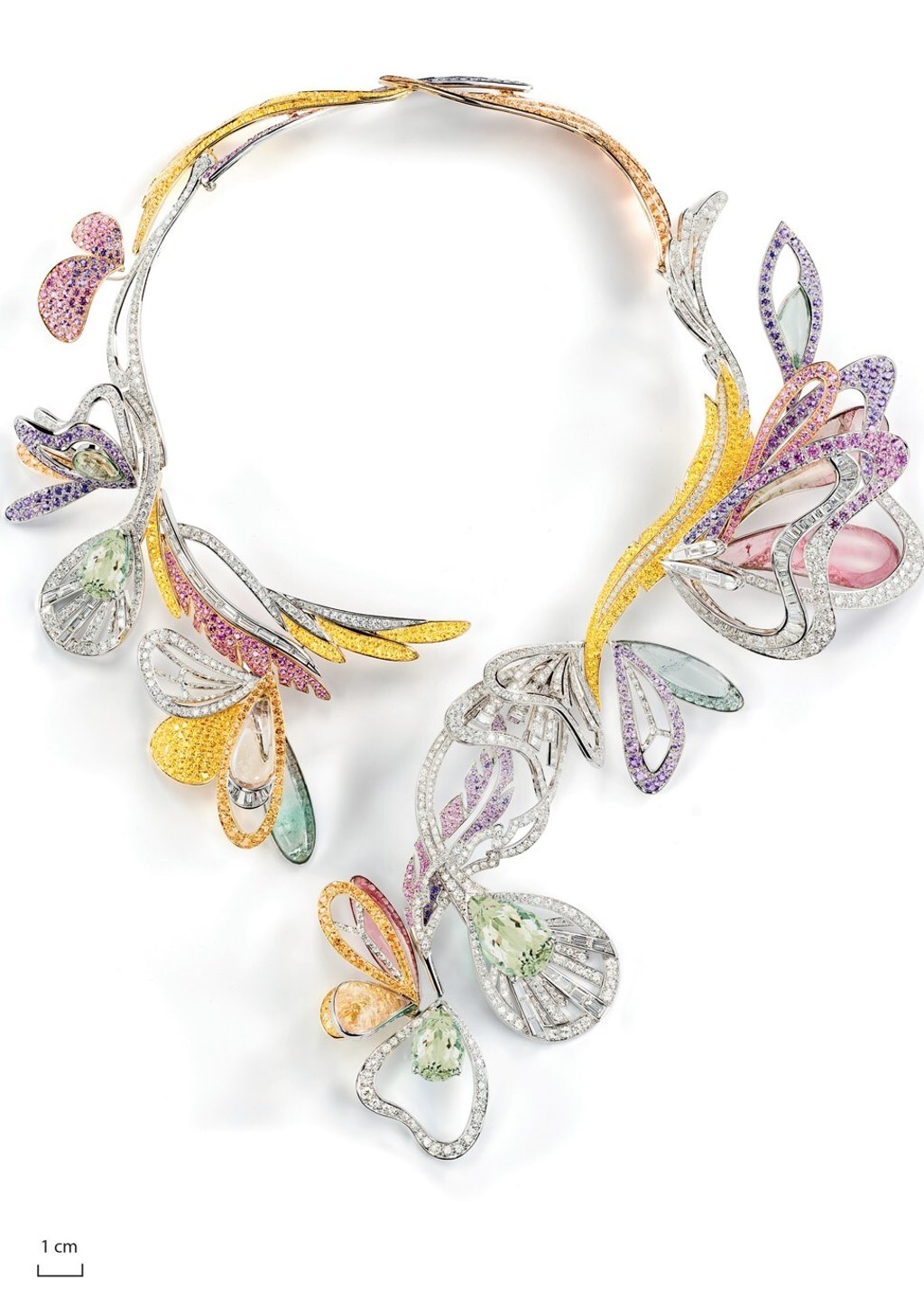
January is now emerging as the date when the grand jewellery maisons of Place Vendôme spotlight their brand signatures, affirming their illustrious heritages. Boucheron’s creative director, Claire Choisne, chose this year to update the Question Mark necklace (first designed by Frédéric Boucheron in 1879) with eight new interpretations for the modern woman.