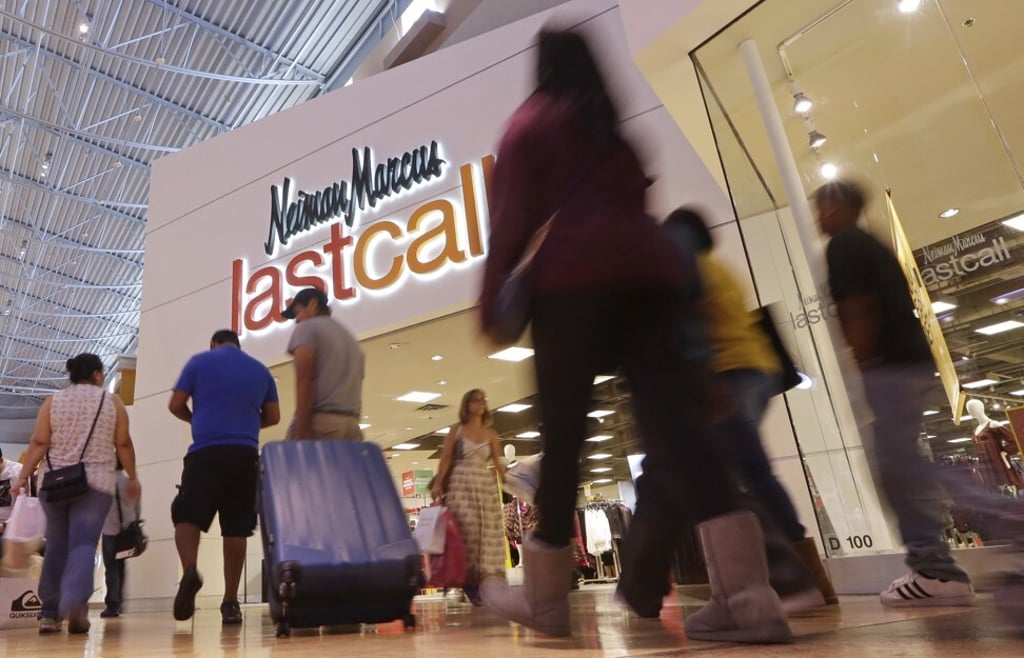
/ Ralph Lauren, Burberry, Hugo Boss, Yamamoto and other luxury fashion brands have traditionally depended on third-party retailers – here’s why they should be focusing on digital

Chanel, Dior, Gucci and Louis Vuitton have the right idea – a brand’s own store is always better than a third-party retailer like Neiman Marcus, Harrods or Saks Fifth Avenue – but here’s why luxury fashion brands should all be going digital
Luxury fashion has traditionally been a high-touch segment where personal interaction is crucial. While this much is true across the entire industry, however, brands’ approaches to retail can differ.
Here’s why.
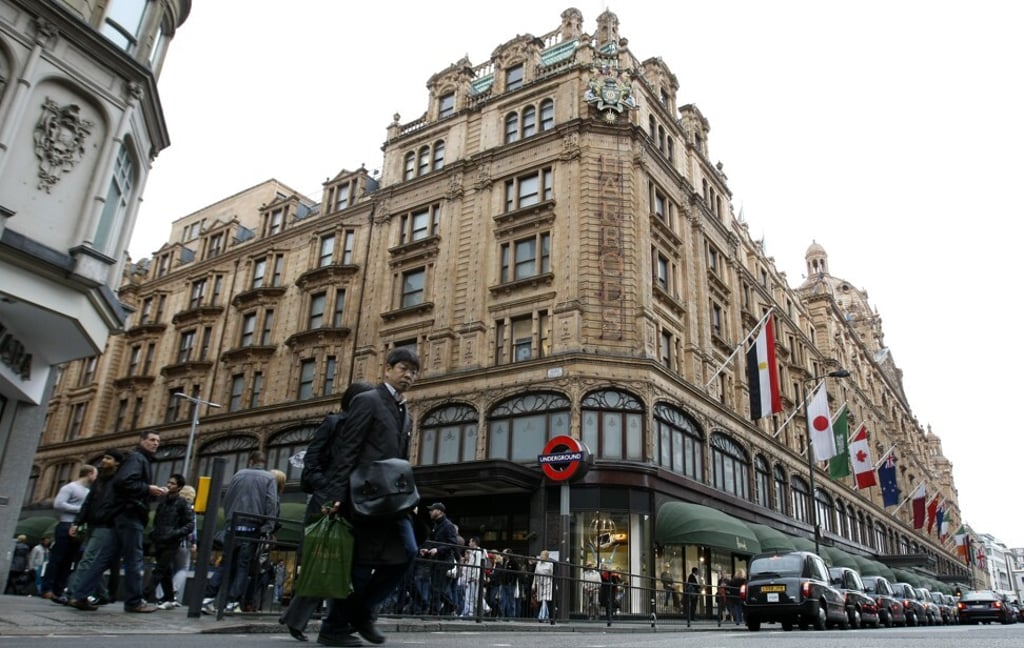
At first glance, the wholesale distribution model seems win-win. Brands profit from orders on their collections and gain significant distribution with little capital investment. Retailers get a variety of attractive brands and a significant profit margin.
Promotions are the most sure-fire way to destroy a luxury brand – they gradually undermine and destroy brand equity while erasing a brand’s relevance, influence and profitability
But the business model comes with its fair share of challenges. Multi-brand retailers often struggle to create an attractive, relevant and differentiated experience, especially for millennials and Generation Z. The experience of one retailer often resembles the experience of their competitor.
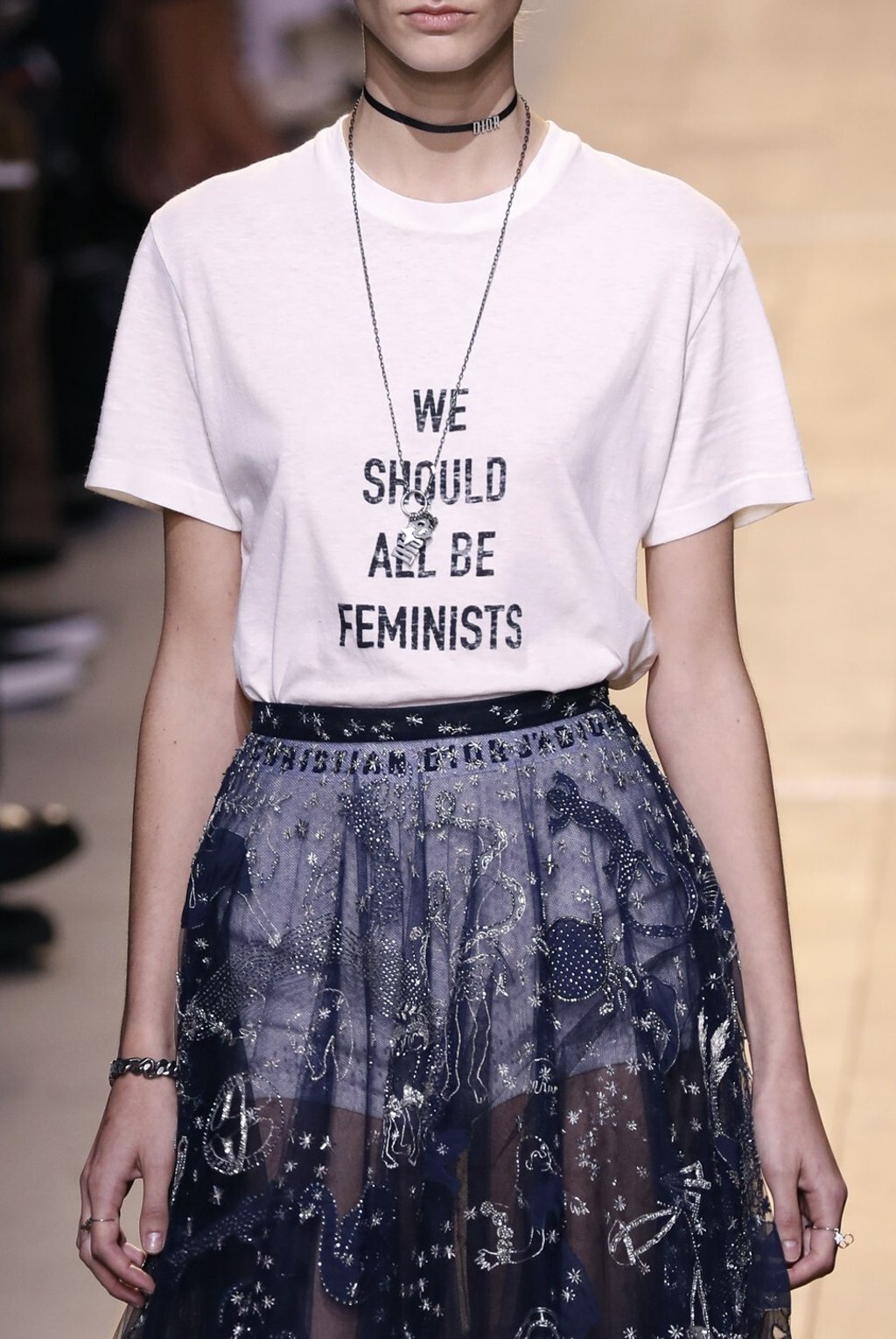
This wasn’t a problem when alternatives were lacking. However, over the last decade many multi-brand retailers have failed to stay competitive or provide a superior touch and feel in their stores, resulting in significantly declining traffic, store closures, and even bankruptcies in the case of Neiman Marcus. This has prompted business publications and articles across the board to comment on “the death of high street shopping”.
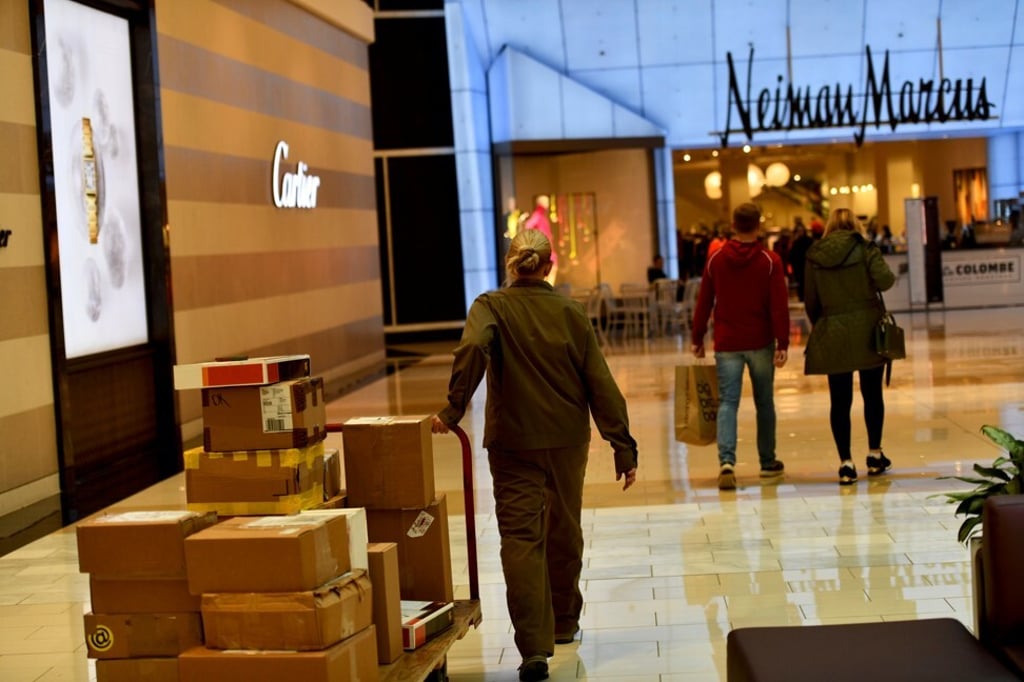
Certain luxury fashion brands’ high dependence on wholesale has been problematic – even deadly – in terms of maintaining brand equity, too. Wholesalers typically run aggressive price promotions at the end of seasons or whenever else they deem fit, but this alienates loyal customers and only benefits shoppers who aren’t invested in the brand. Promotions are the most sure-fire way to destroy a luxury brand; they gradually undermine and destroy brand equity while erasing a brand’s relevance, influence and profitability.