Advertisement
Advertisement
Advertisement
Luxury

Opinion / Luxury vs electric cars: BMW, Mercedes and Audi can’t keep up with Tesla or Nio – so how can they reinvent their brands for millennial drivers?

STORYDaniel Langer
The Bentley Flying Spur in the streets of Monte Carlo. Source: Bentley
Luxury cars

Luxury car brands define themselves with high-performance offerings like the BMW M, Mercedes AMG, Porsche S and Audi S – but that isn’t enough when the days of burning gas are numbered

This article is part of STYLE’s Luxury Column.

Over the last few months, I audited several premium and luxury car brands including Bentley, Porsche, Audi, BMW, Mercedes and Lexus. The results were worrisome for the incumbent car brands: the experiences that they reported were practically all the same. Even worse, nothing about the experiences were luxurious or created any lasting memory.
Why is this so dangerous? Cars already look and feel increasingly similar. This is driven in part by emission and safety regulations that have incentivised brands to optimise their designs for the lowest possible fuel consumption and maximisation of utility and safety. The result is that more and more cars, even in the premium and luxury spaces, are difficult to distinguish.

Audi’s logo pictured at the Auto China 2016 auto show in Beijing. Photo: Reuters
Advertisement

Where in the past brands had a signature look and feel, the current line-up of the most premium and luxury offerings is surprisingly similar. Your choice between, say, an Audi Q7, a BMW X5, a Porsche Cayenne or a Mercedes GLE becomes more a matter of your brand preference than of significant product differences. The choice of options and materials is pretty much the same.

As a way out, over the last decade car brands focused on creating certain design elements that are supposed to make them more distinguished, such as the front grille. However, as all grilles have grown exponentially, even this element becomes less distinct. Even worse, the interior of many brands’ vehicles have become less distinct, too, with the increased usage of ever-growing screens and touch operations.
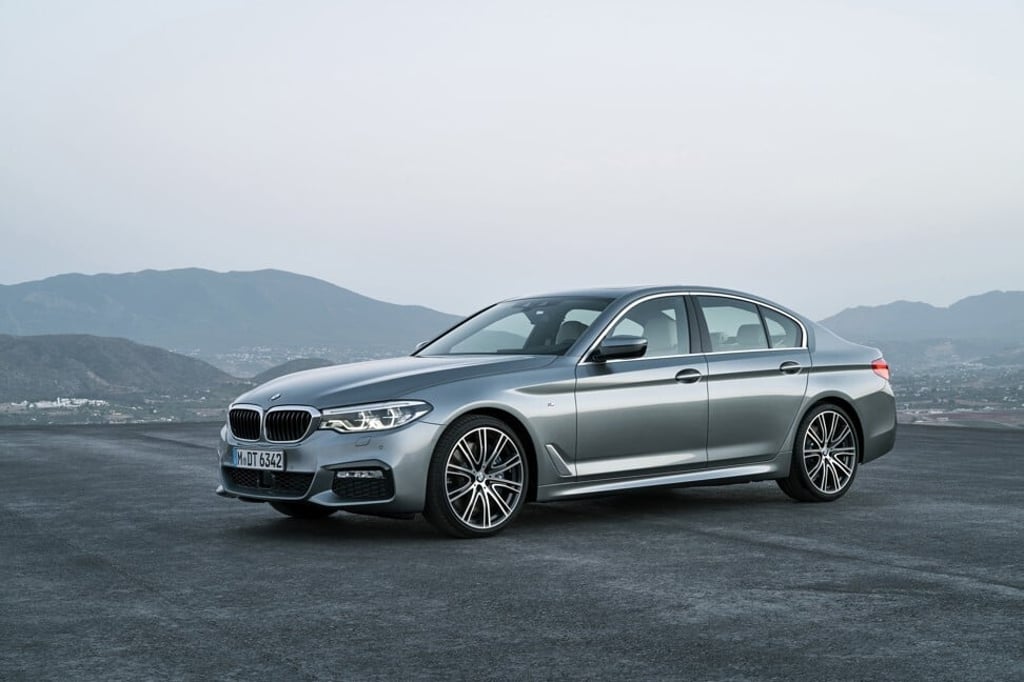
The engine, on the other hand, has been the core competency of many brands. Some experts even argue that the heart of the brand is the engine. Consequently, BMW offers M-badged cars with more powerful engines developed by the M Motorsport department. The selling point is that you buy a high-end sports car in the form of an SUV or a limousine. Mercedes has a similar division, AMG. Porsche offers S versions of their cars and Audi similarly has a line-up of S and RS-badged cars, each equipped with some of the most powerful combustion engines money can buy. Those engines have become the defining elements of the brands. For many, driving a BMW M is a dream come true.
BMW M Sport Edition 540. Photo: Handout
This strategy has worked for many decades and became a major profit driver. Customers who go for those in-house tuned versions often spend 20 to 50 per cent more for the extra performance. But now the cash cow faces some major threats. With the rapidly changing regulations, the days of the internal combustion engine (ICE) are numbered. Since the announcement of California to ban new ICE cars as of 2035 and similar legislative pushes all over the world, the market for luxury cars with these types of engines will see a drastic decline within the next five to eight years.
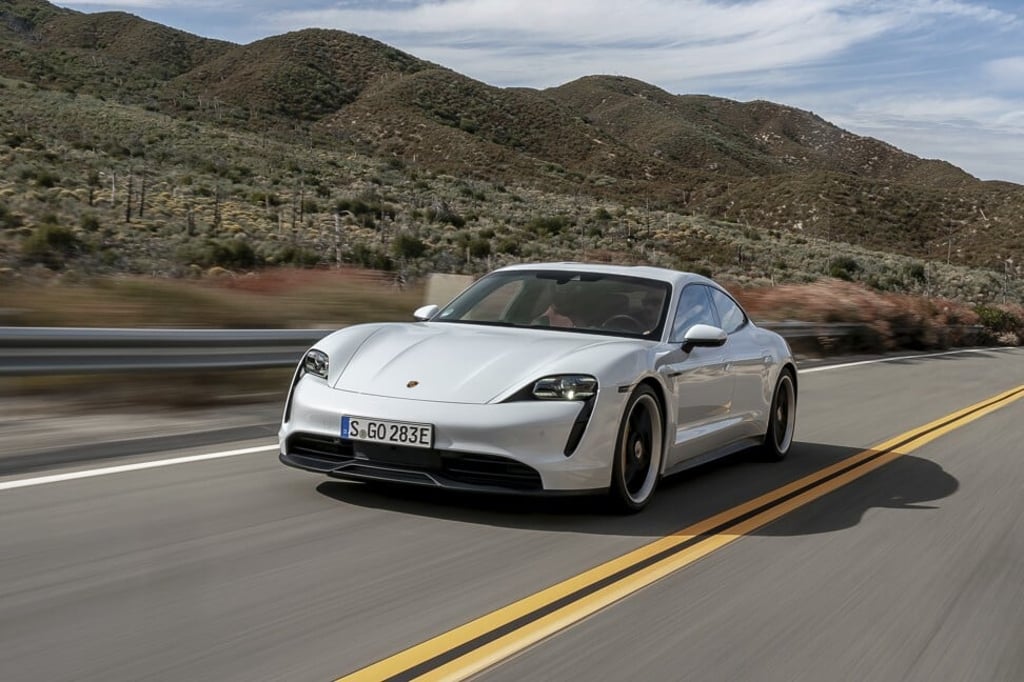
In many markets, the share of the incumbent brands in the luxury segment has already declined with Tesla conquering significant market share. The sales of Porsche’s Panamera seemed to shift significantly towards the fully electric Taycan, underlining a dramatic shift in consumer preferences. Nio, Lucid, Fisker, Rivian and others are around the corner and will further disrupt the car industry.
The Porsche 2020 Taycan; the Taycan is Porsche’s first electric vehicle. Photo: AP
Select Voice
Select Speed
1.00x