STYLE Edit: Cartier’s new Tradition division breathes fresh life into antique pieces from the French luxury house’s storied past

- A rare chance to own historic pieces recalling the vision of the founder’s grandson Louis Cartier
- The oldest refreshed pieces were inspired by Asian and Arab art, while Cartier’s muse and successor Jeanne Toussaint drew on the natural world
Since its founding in 1847, storied jewellery maison Cartier has created stunning pieces that have helped to define each era of jewellery making. Its success has been due in large part to its visionary creatives, the founder’s grandson Louis Cartier, and his muse and successor Jeanne Toussaint, who helped shape the maison’s style through the decades.
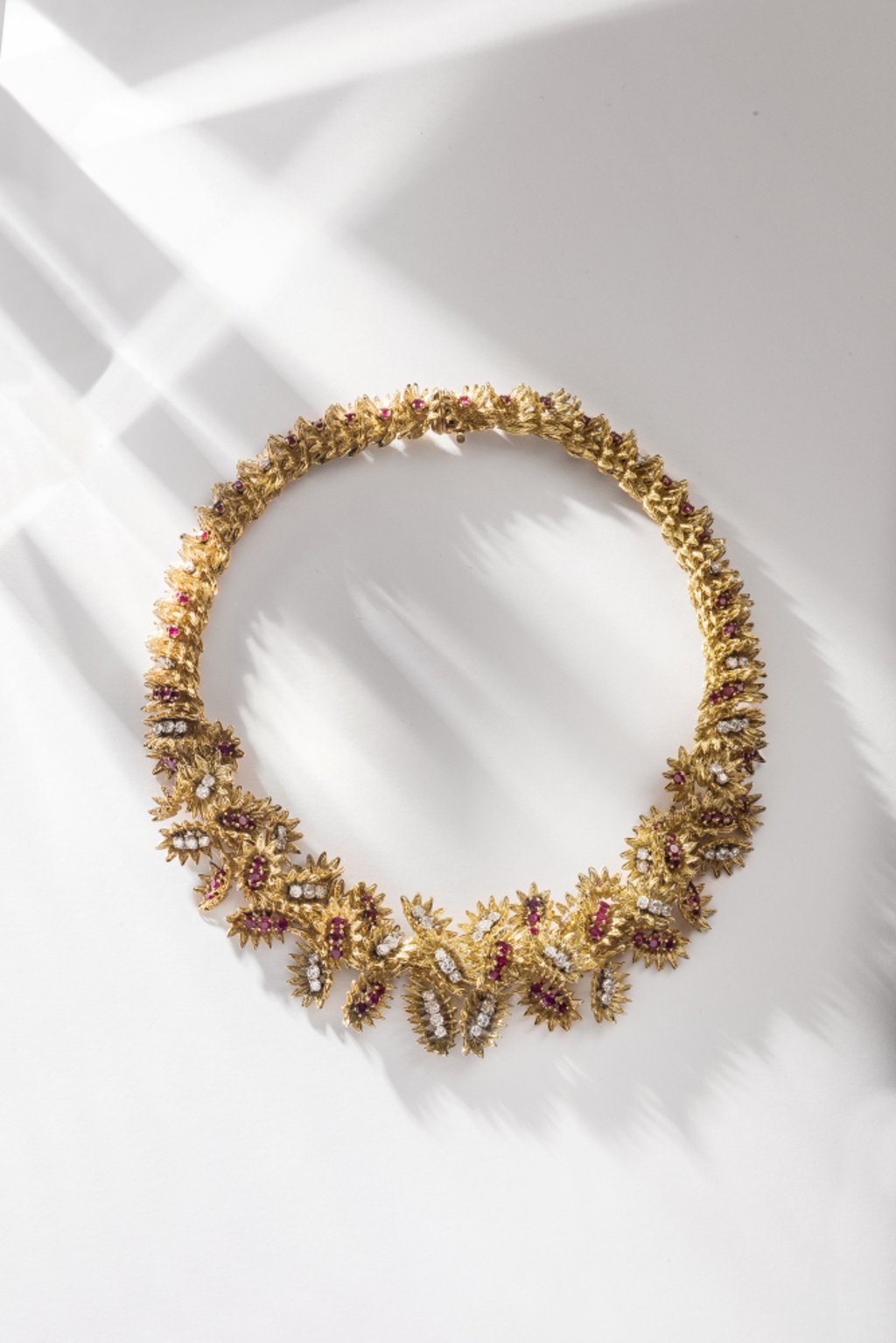
Now, some of Cartier’s historic designs are once again made available through the new Tradition service, where the brand sources and refreshes antique Cartier pieces and makes them available to its VIP clientele.
In the early 20th century, the founder’s grandson Louis Cartier became enamoured with Orientalist and Islamic art, after visits to museum expositions on the genres sparked a lifelong interest. He eventually amassed a prodigious collection of Persian miniatures and other artworks that he made available to Cartier designers as inspiration for their craft.
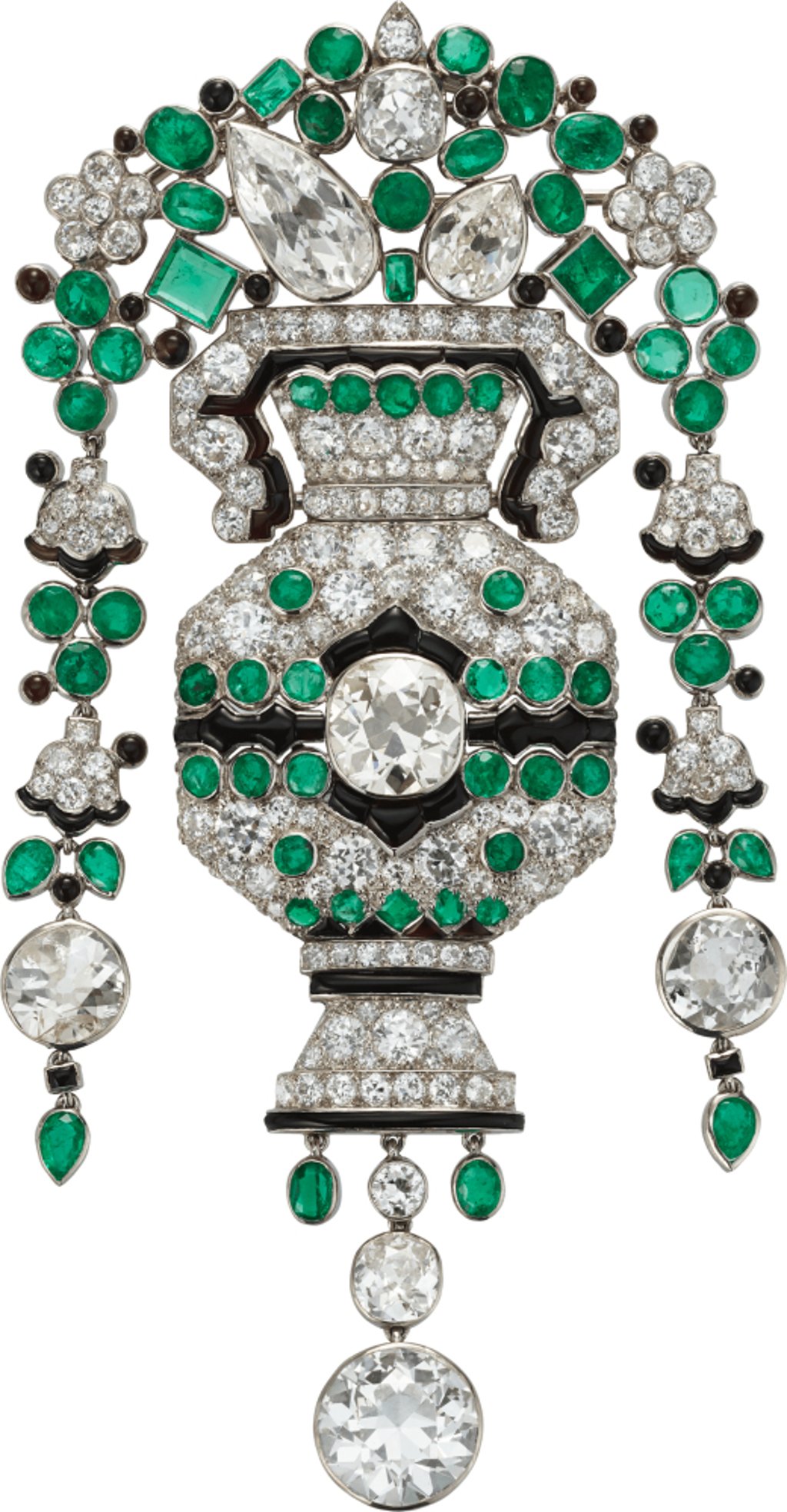
The result was several stunning pieces inspired by Asian and Arab aesthetics, including a flower vase pendant crafted out of platinum, set with round- and square-shaped emeralds, onyx accents and diamonds of varying cuts. Originally created in 1928 for a prominent Indian engineer, the vase pendant can be detached from the main necklace and worn as a simpler pendant, or as a brooch.
A second example can be found in the form of the Ornament necklace, which was specially created for a member of an eminent American family in 1927.
The arrowhead-shaped pendant draws inspiration from Asian geometric patterns, and is crafted out of platinum and pink gold, set with champagne-toned natural round pearls – incredibly precious at a time before cultured pearls existed – and diamonds in circular and cushion cuts.