Opinion / Is an Apple Watch really better than a Swiss timepiece? Heritage watchmakers like Rolex, Audemars Piguet and Patek Philippe need to innovate quick – or risk extinction

- IBM, Kodak, Nokia, Motorola and BlackBerry were all market leaders that all-but disappeared overnight after failing to evolve to meet changing trends
- Japanese quartz watches by Seiko, Citizen and Casio threatened Basel’s mechanical watches in the 80s – only Swatch’s disruptive thinking saved Swiss watchmaking
This article is part of Style’s Luxury Column.
If one thing is for certain, it is that things change all the time. In nature, when ecosystems change permanently, species that adapt best not only survive, but actually thrive. Those who try to resist the change disappear, especially when the change is significant and abrupt.
Nature is brutal in its survival of the fittest and so are markets. When consumers don’t find what they are looking for, they will look somewhere else. When you look back, you see past market leaders who lost their relevance by resisting change instead of leading it. In almost all categories, the leaders of the past are not the leaders of the future. Worse, in many cases, past leaders disappear or shrink to occupy a small niche, unable to find broad market appeal. Even countries that defined industries find themselves sidelined if they stop innovating and become unable to adapt to shifting consumer expectations.

The list of brands and categories that went through disruption and lost their past influential position reads like a who’s who of business: IBM, Compaq, Kodak, Nokia, Motorola and BlackBerry are some of the more recent examples of category-defining brands that have entirely or almost entirely disappeared from the categories they once led. More worrisome, in most cases their leaders believed that consumers would always choose them. Remember how BlackBerry insisted people would always want a physical keyboard to write messages? Retrospectively, it sounds absurd.
What we can learn from these examples is that once a brand tumbles, it almost never recovers. Consumers don’t like brands that lose their position as market maker. Once the intangible value is gone, it’s hard to ever get it back. In this aspect, luxury has the highest stakes, as the intangible value gained through ALV (Added Luxury Value) always exceeds all other value components by far. And the nature of intangible value is that it is unstable and can disappear in no time.
Another learning is that no brand or category is safe from obsolescence. I hear time and time again that a certain category is the exception, especially from managers responsible for brands within the category. Consumer loyalty is regularly overestimated. Whenever you hear, “customers will always want this,” it’s a warning. Because everything changes, all the time, and often faster than brands expect or realise.
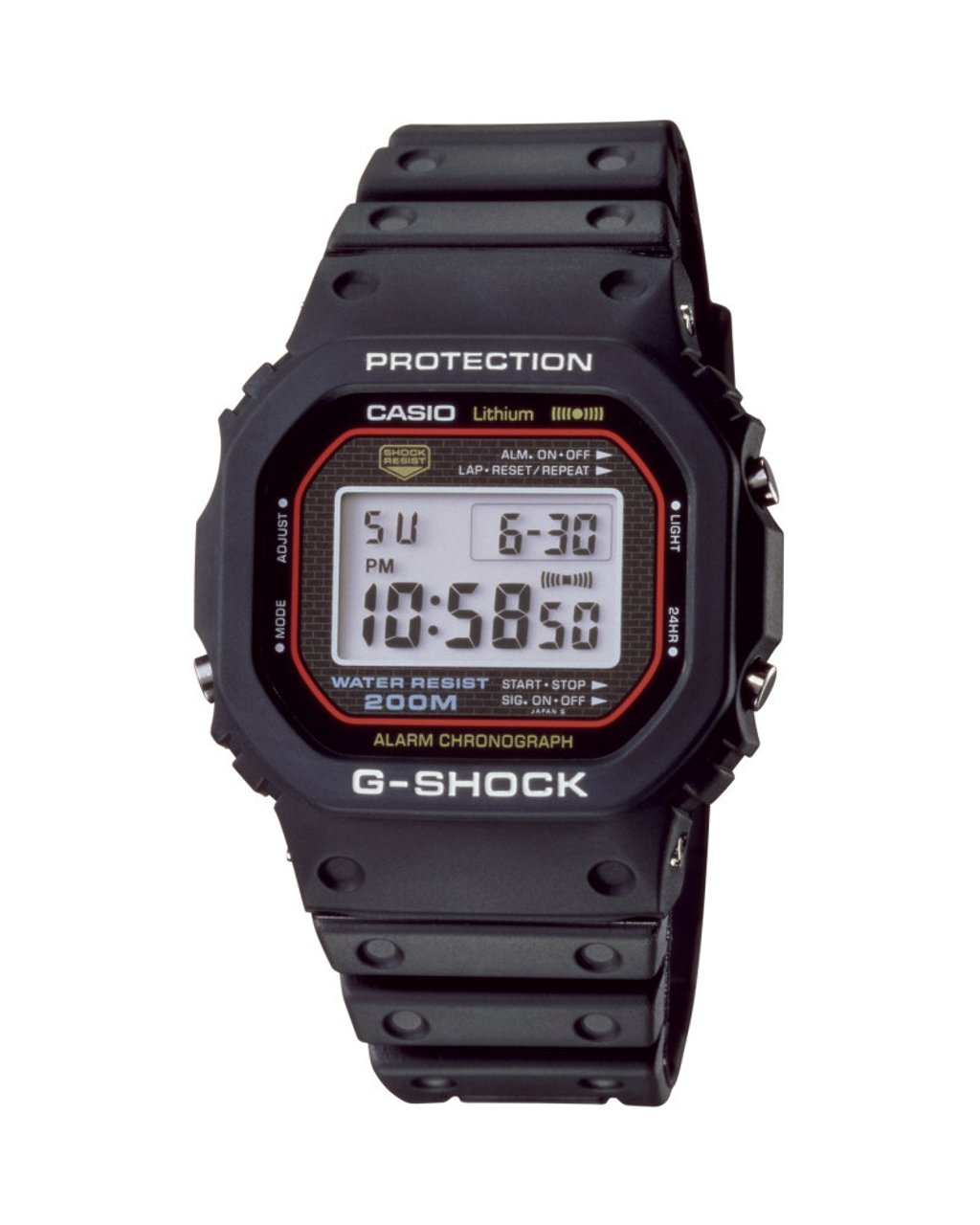
In the 1970s and 80s the Swiss watch industry saw such a change. Quartz watches by Japanese brands like Seiko, Citizen and Casio replaced mechanical watches on the wrists of people around the world. It was a time when innovation in the forms of higher precision, new form factors and enhanced displays excited consumers and led to a crisis in traditional, rather functional Swiss watch making.