STYLE Edit: Tudor’s new Black Bay Chrono celebrates 50 years of luxury watchmaking

- The relaunched Black Bay Chrono recalls vintage racing chronographs – specifically the ‘Paul Newman’ Daytonas of Tudor sister brand Rolex
- The commemorative model comes in either white opaline or matt black dials, and on a stainless steel bracelet, black leather cuff or woven jacquard strap
In the watch world, there’s nothing that sparks celebrations and new editions quite like anniversaries, whether it is for the founding of the brand, or the creation of a significant watch or complication.
For Tudor, 2021 marks the 50th anniversary of its first chronograph, the Oysterdate launched in 1970, and grounds for much fanfare. To celebrate, it has refined and relaunched its Black Bay Chrono, which it first created in 2017. The revamp saw Tudor retooling the stainless steel case and giving it a vintage aesthetic that hearkens back to the early days of chronograph watches.

When looking at the new Black Bay Chronos, the most immediately striking change is the new dials – either white opaline with two contrasting black sub-counters, or matt black dials with white sub-counters. The sub-counters are recessed back from the dial for increased depth and contrast and include a 45-minute counter at 3 o’clock – unusual, since most chronographs usually feature 30-minute counters – as well as a 60-second counter at 9 o’clock.
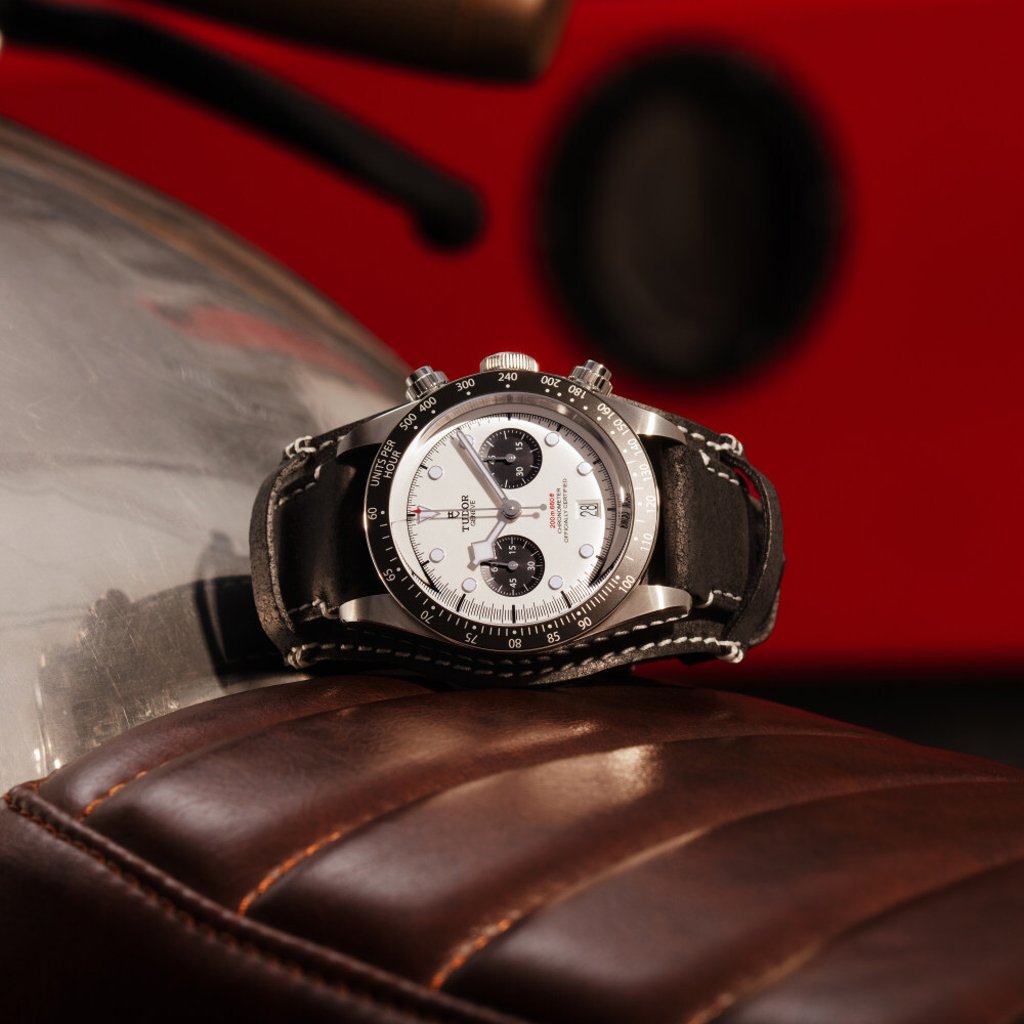
In spite of the new updated aesthetics, the new Black Bay Chrono case diameter remains at 41mm.
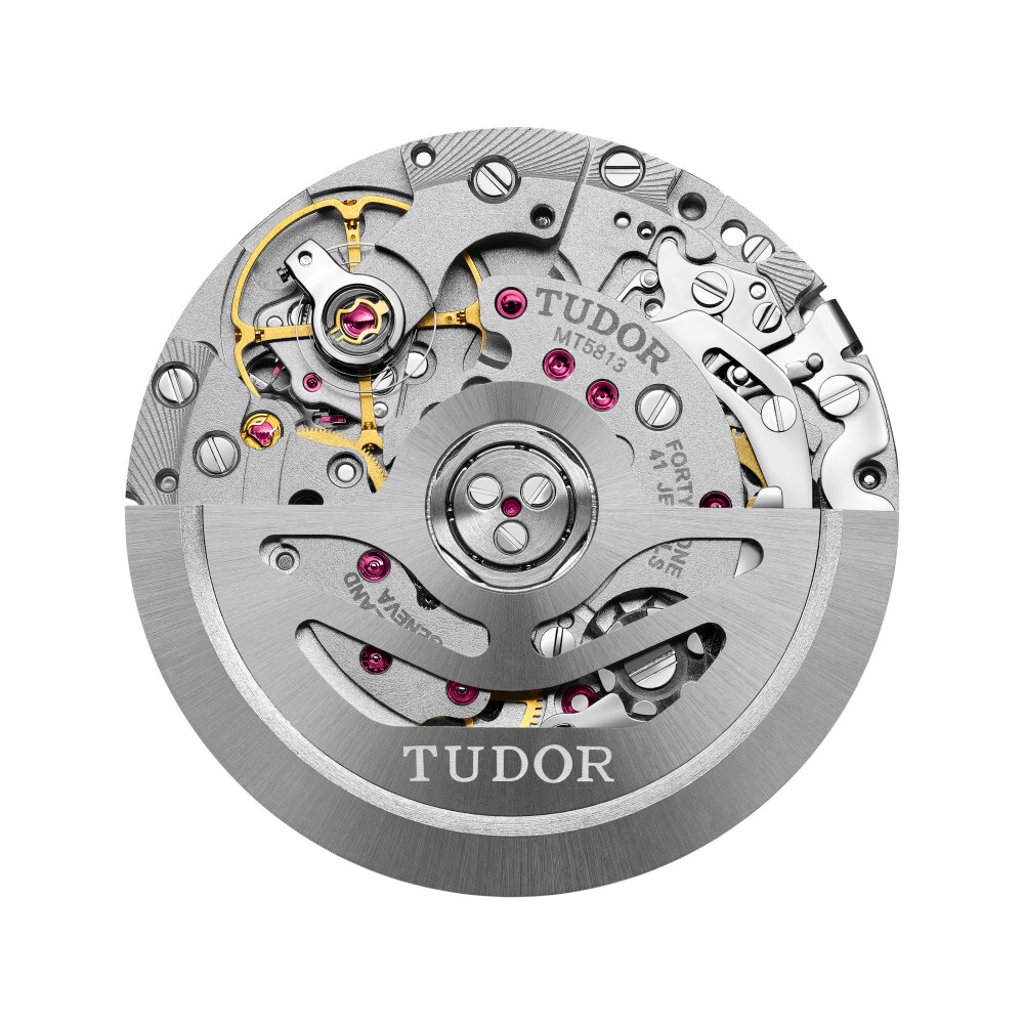
Movement-wise, the Black Bay Chrono retains the high-performance Manufacture Chronograph Calibre MT5813, which has a robust 70-hour power reserve and is equipped with a silicon balance spring for optimal accuracy, reduced sensitivity to magnetic fields, and reduced need for maintenance. The movement is officially certified by the Swiss Official Chronometer Testing Institute (COSC) to exacting performance standards of -4/+6 seconds per day, but Tudor highlights that its stringent internal testing standards ensures that the movements have an even better maximum variation of -2/+4 seconds per day.