STYLE Edit: Swatch’s CEO Nick Hayek Jr. on Omega x Swatch’s MoonSwatch, the collaboration that marries the Speedmaster worn on the moon with sustainable bioceramics – exclusive interview

- The MoonSwatch, which pairs the iconic Omega Speedmaster with a sustainable Swatch chronograph, was released in March 2022 for only US$260, making it more accessible to millennial and Gen Z buyers
- Swatch’s CEO Nick Hayek Jr. explains the success behind the luxury brand’s distribution strategy that left e-commerce out in the cold – even in Chinese markets
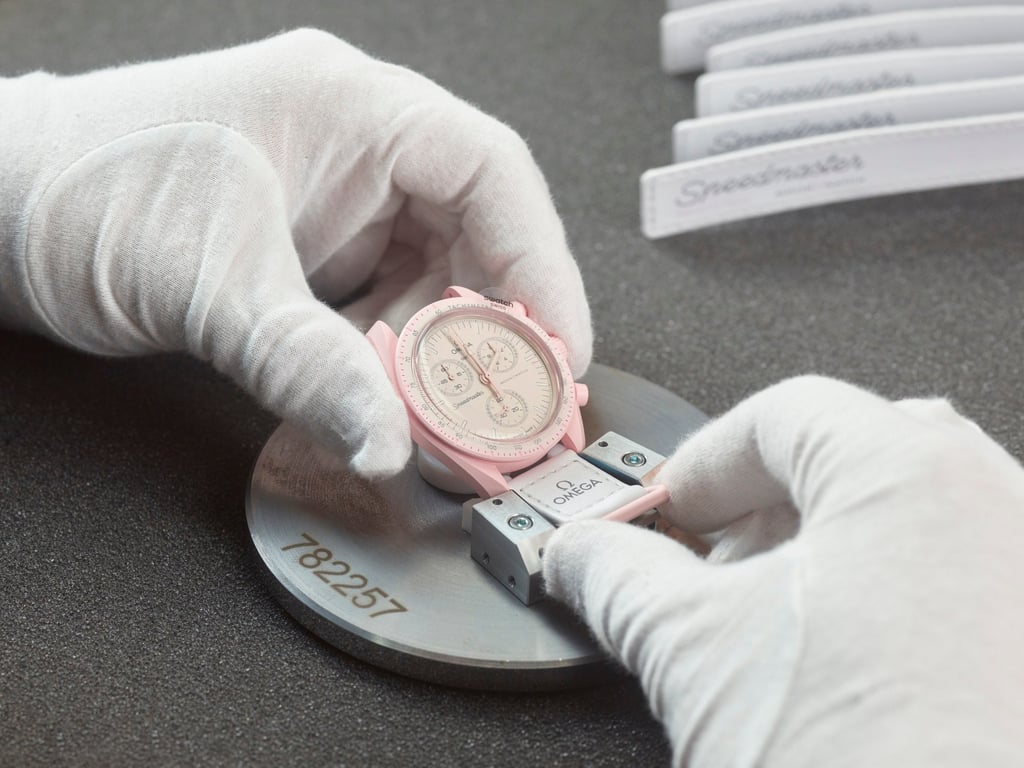
The case material, while looking like plastic, is in fact a more sustainable mix of two-thirds ceramic and one-third a material derived from castor oil that Swatch Group developed.
The idea for the MoonSwatch came with the Swatch Group’s development of the bioceramic. Although the initial purpose was more pragmatic – they intended to use it to make temporary pieces for Omega customers to wear when they sent their watches in for repair – it was decided that wouldn’t realise the full potential of the material. Naturally, there was also interest from other watch brands in the bioceramic.

“We looked at what we could do if we gave it to the other brands but it would just be something conventional,” says Nick Hayek Jr., CEO of the Swatch Group, in an exclusive interview with STYLE. “It wouldn’t be something innovative and we really wanted to do something different with it. You had to throw everything you had been thinking about overboard and try to open your mind and think differently, but we had to try to stay within the DNA of Swatch’s positive provocation and joy of life.”
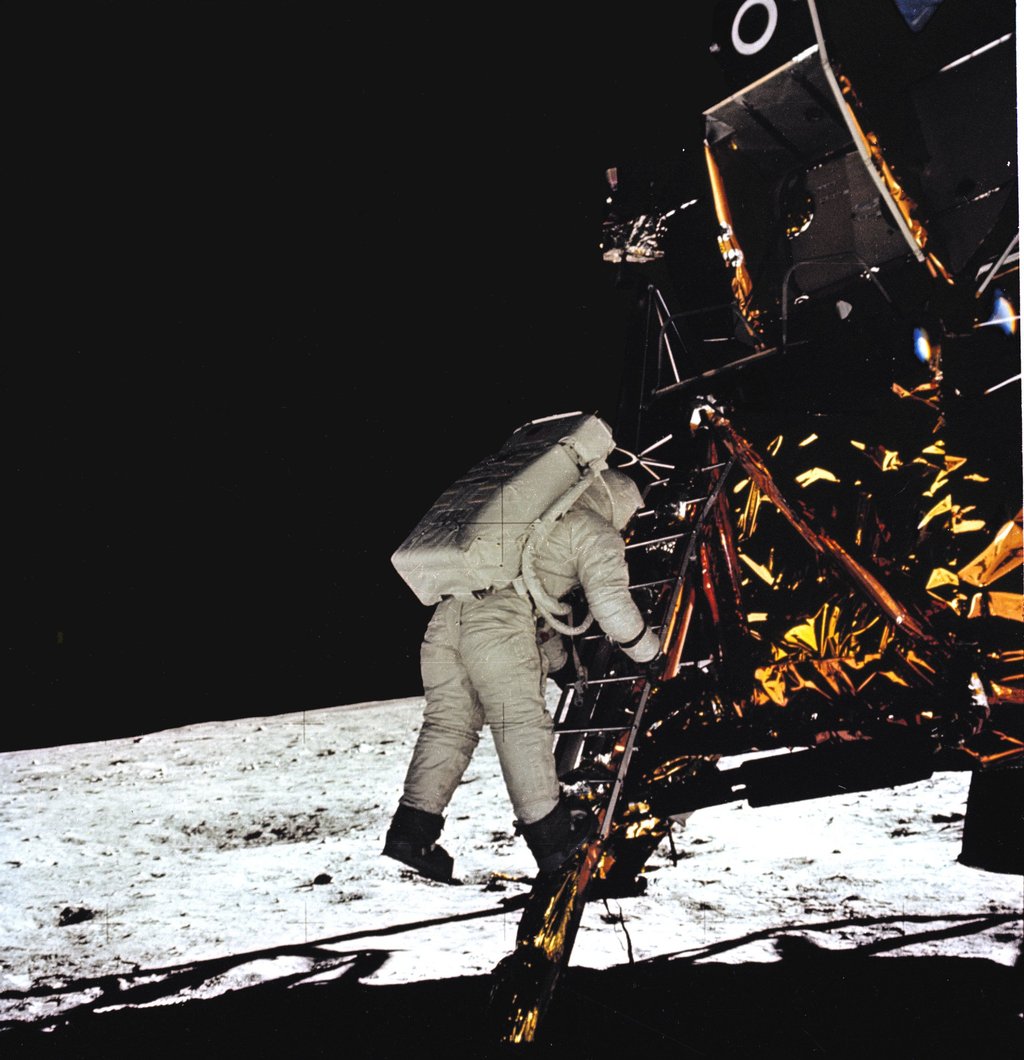
In a nod to the Speedmaster being the first watch on the moon, worn by Buzz Aldrin, the MoonSwatch collection comprises 11 models, each dedicated to an object in the solar system – the Sun, Mercury, Venus, Earth, Moon, Mars, Jupiter, Saturn, Uranus, Neptune and Pluto – in corresponding hues.
This isn’t the first time Swatch – founded in 1993 by Hayek’s father, Nicolas Hayek – has turned the Swiss watch industry on its head. The colourful plastic watches are credited with saving the industry in the face of an onslaught of cheap Japanese quartz watches which saw demand for mechanical watches die off in the 1990s.