Why pearls never go out of style: from adorning celebrities like Liz Taylor and Jackie Kennedy to Bulgari’s and Cartier’s fusion designs, these delicate gems keep shining

- Kokichi Mikimoto created the first cultured Akoya pearls in the late 1800s, with these and other saltwater pearls worn by celebrities including Elizabeth Taylor and Jacqueline Kennedy Onassis
- The chunky trend is making itself felt as the delicate gem is juxtaposed against heavy metal chains, thick ear cuffs or gold bangles – while more men have taken to sporting pearls on the red carpet
Long a symbol of wealth and status, pearls have been worn by royals and the rich, both male and female, as far back as 2,300BC. Over the millennia, these wonders of nature have adorned state crowns and tiaras and been strung into opulent strands.
Despite the prestige and rarity of natural pearls, they’ve never quite reached the same level of popularity as diamonds or the big three gemstones: sapphires, rubies and emeralds.
Pearls are formed over the years inside mollusks growing deep in the ocean. These oysters and mussels were difficult to harvest, and the ones harbouring gem-quality, lustrous natural pearls were even harder to come by and extremely fragile compared to more popular gemstones.
The gem ranks 2.5 on the Mohs hardness scale, according to the Gemological Institute of America, meaning it’s much easier to scratch and damage than diamonds or softer gems like emeralds, which score 10 and 7.5 on the scale, respectively.
Implanting a tiny bead made from oyster shells into oysters, the father of modern pearls, Kokichi Mikimoto created the first cultured Akoya pearls in the late 1800s. This led to a steady supply of high-quality pearls and popularised the gem.
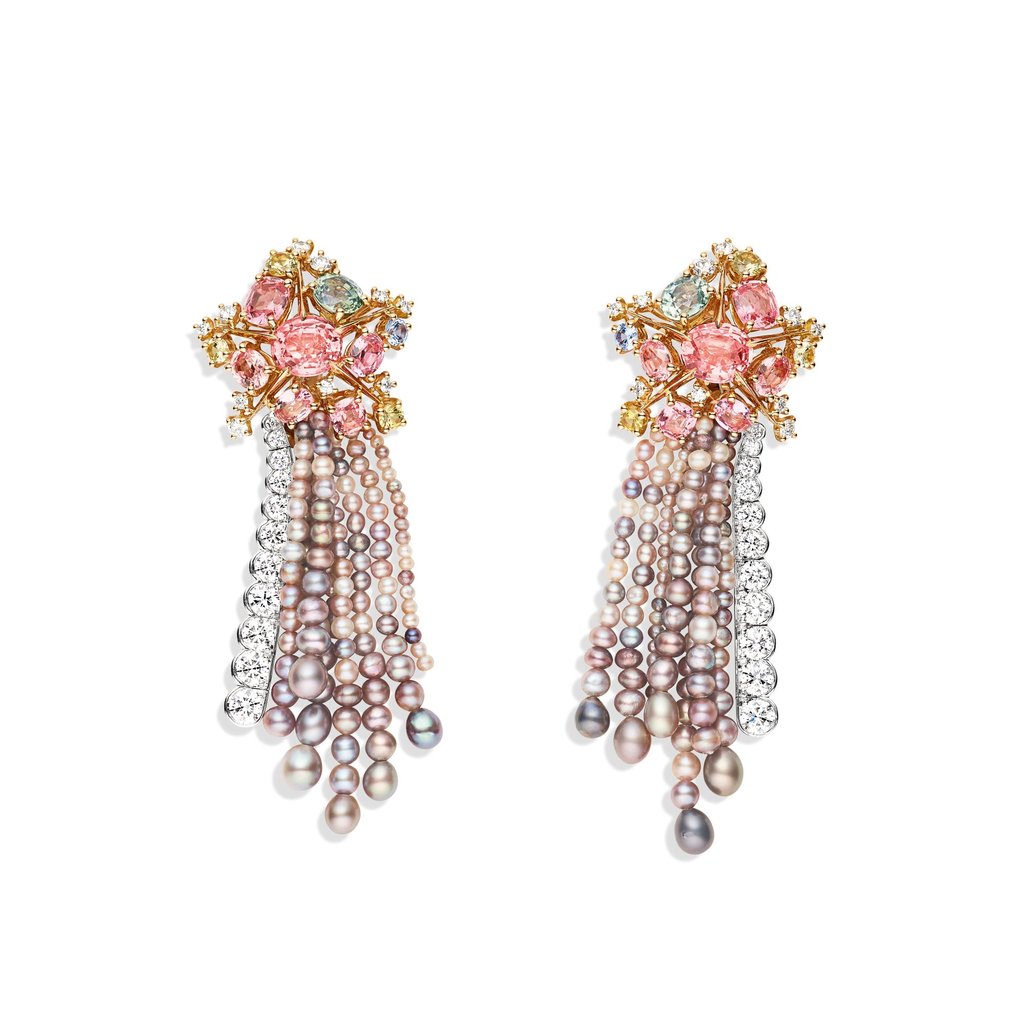
Akoya pearls and other saltwater pearls, like Tahitian black pearls and South Sea pearls, were associated with celebrities and royalty, adorning the necklines of Hollywood stars like Elizabeth Taylor or paired with skirt suits in the case of Jacqueline Kennedy Onassis. Brands like Bulgari and Cartier were among the top luxury jewellers who paired cultured pearls with organically shaped baroque and natural pearls.
It wasn’t until the mid-1950s – when the Chinese began freshwater cultured pearl farming, resulting in more organically shaped pearls – that the gem became more accessible. Today, an overwhelming 95 per cent of pearls are freshwater: cultured en-masse in large mussels that can produce up to 30 pearls at a time.
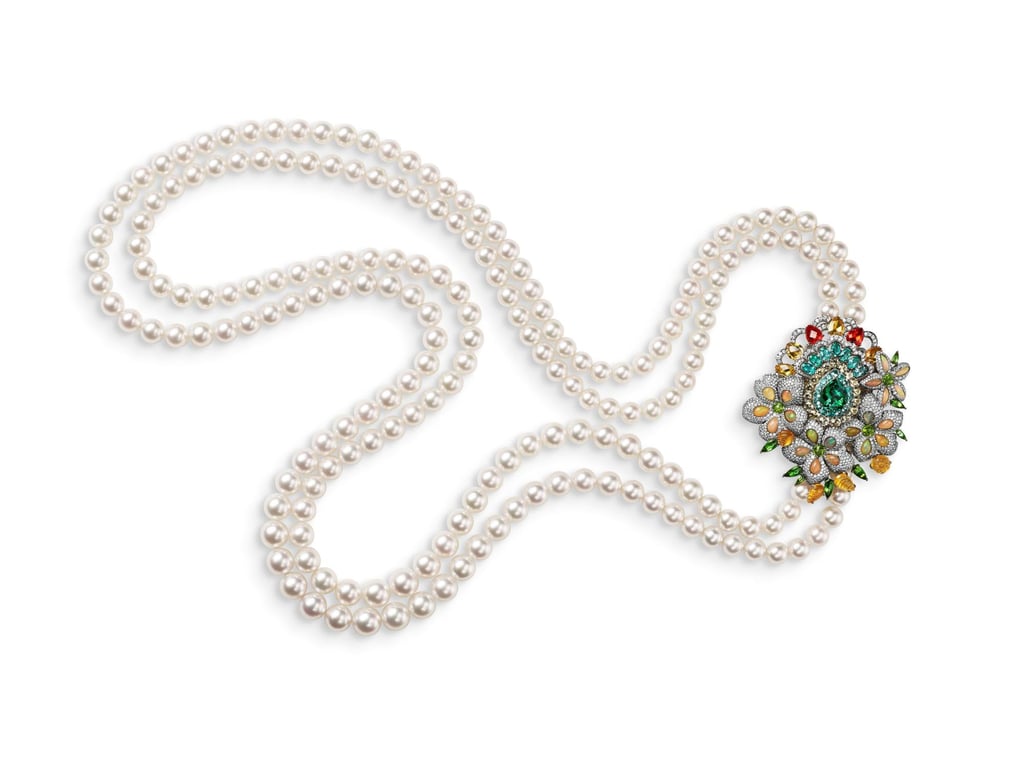
Classic strand designs paired with a precious stone centre – like the pearl, diamond and sapphire bracelet from Chopard’s most recent Red Carpet collection – continue to captivate jewel lovers today.
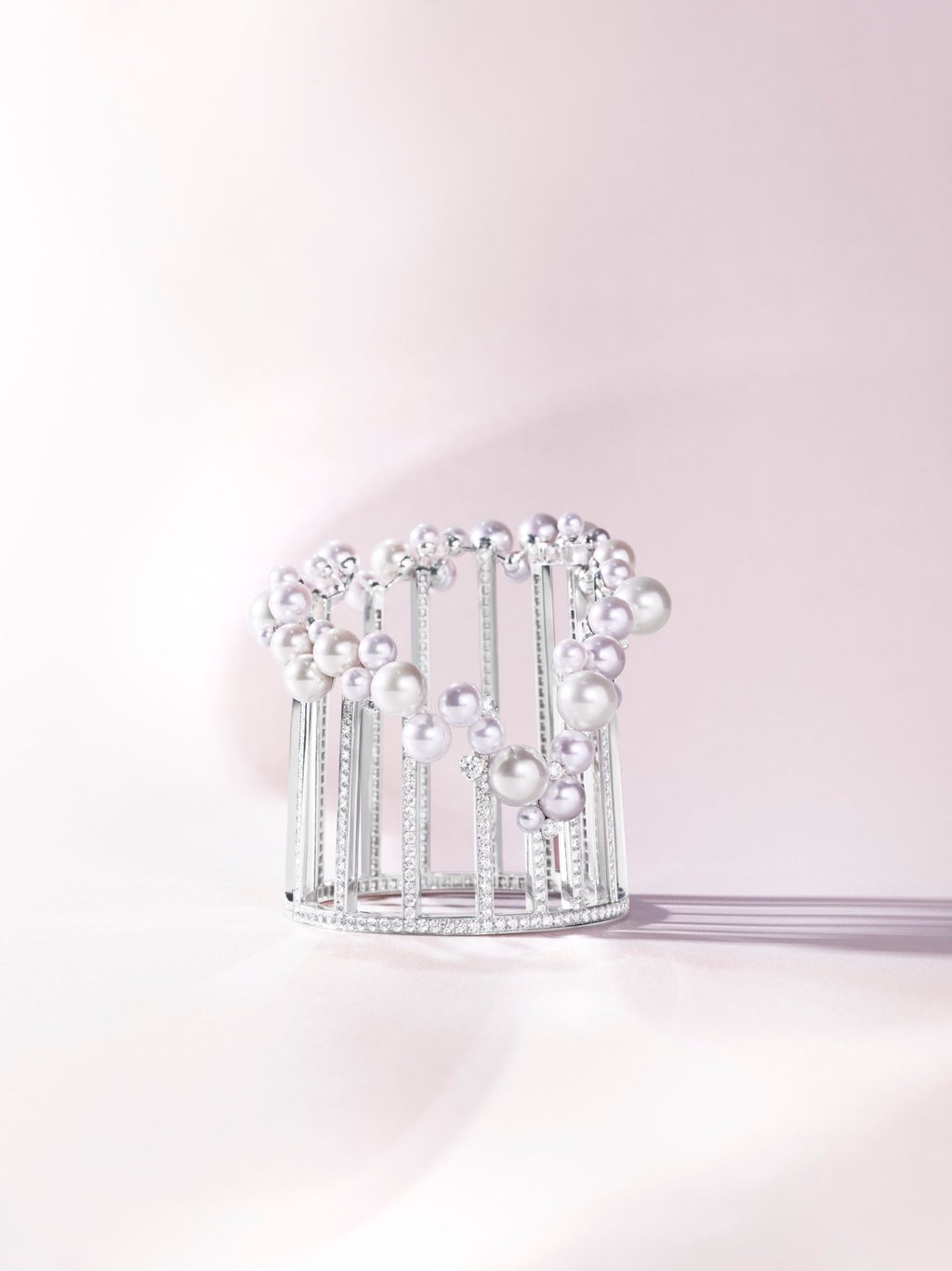
But designs have come a long way since your grandmother’s string of pearls. “Current pearl jewellery designs exude the same elegance, but designers are more experimental and no longer conform to the tradition that pearls should always be strung,” says Louisa Chan, head of sale, Hong Kong, at Phillips Jewels.