Chanel’s Haute Joaillerie Sport: how the bold and sharp colours in the new high jewellery collection reflect movement, speed and energy – and the storied brand’s design ethos

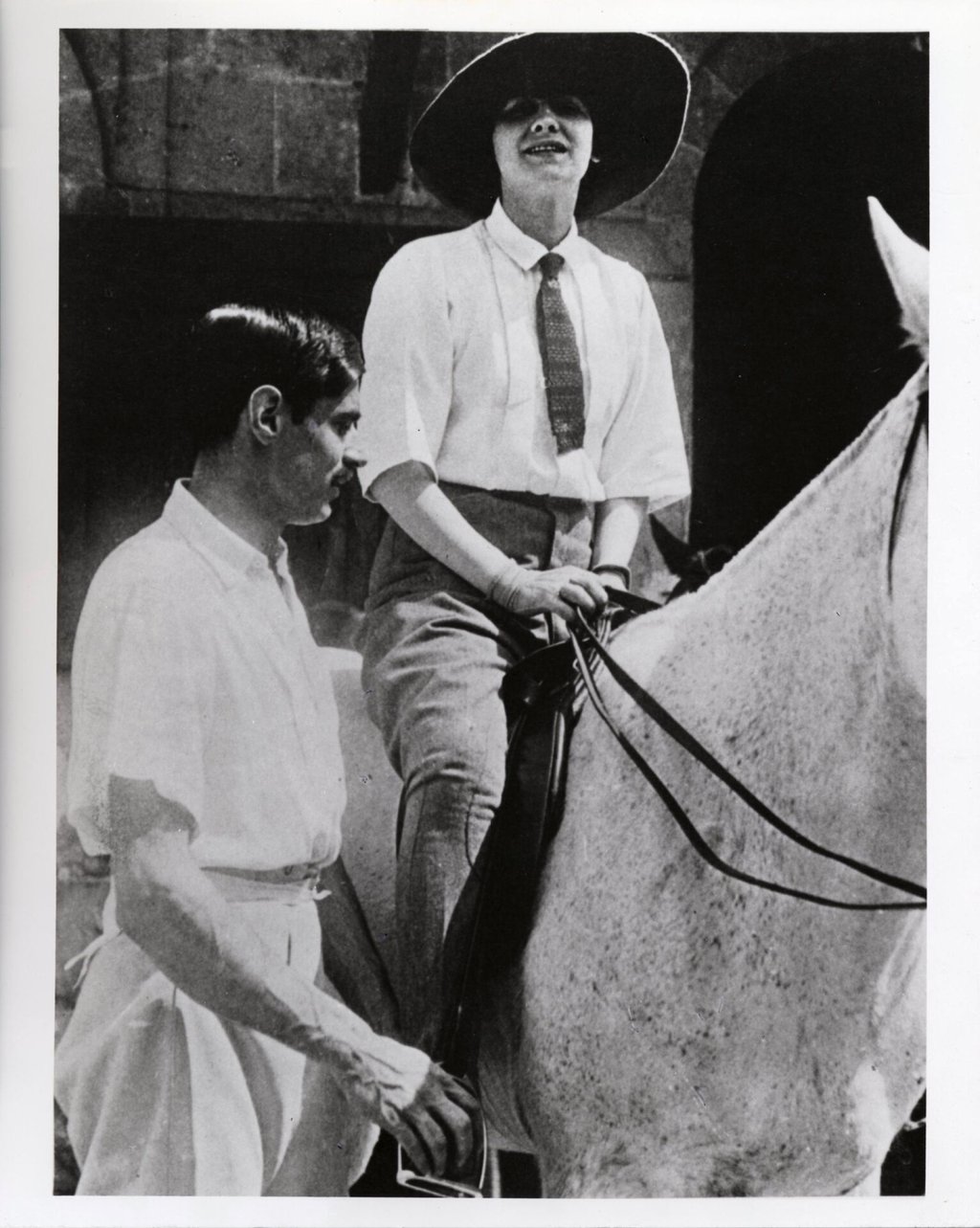
- The range is a vibrant and free-spirited homage to the ‘body awareness’ and ‘freedom of movement’ in Coco Chanel’s sporty creations – the founder had established an atelier devoted to sport clothing
- The 80-piece collection was unveiled in Monaco at a gala attended by Keira Knightley and other stars; Chanel’s Marianne Etchebarne tells Style why the oxymoronic set reflects the brand’s creativity
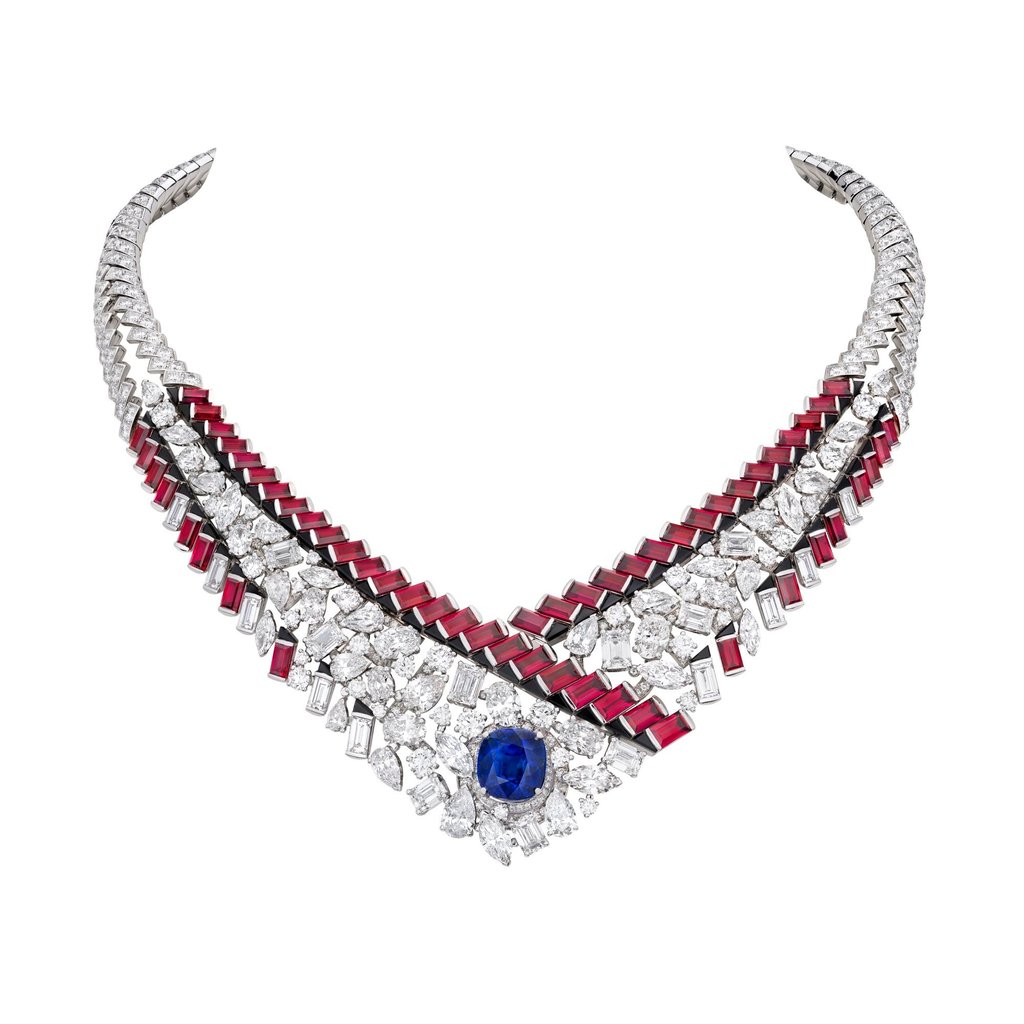
The field of high jewellery rarely defies convention and tends to prize tradition at the expense of innovation. Thus, translating a dynamic concept such as sport into one-of-a-kind jewels made with the rarest of stones was an exciting challenge for the Chanel ateliers.
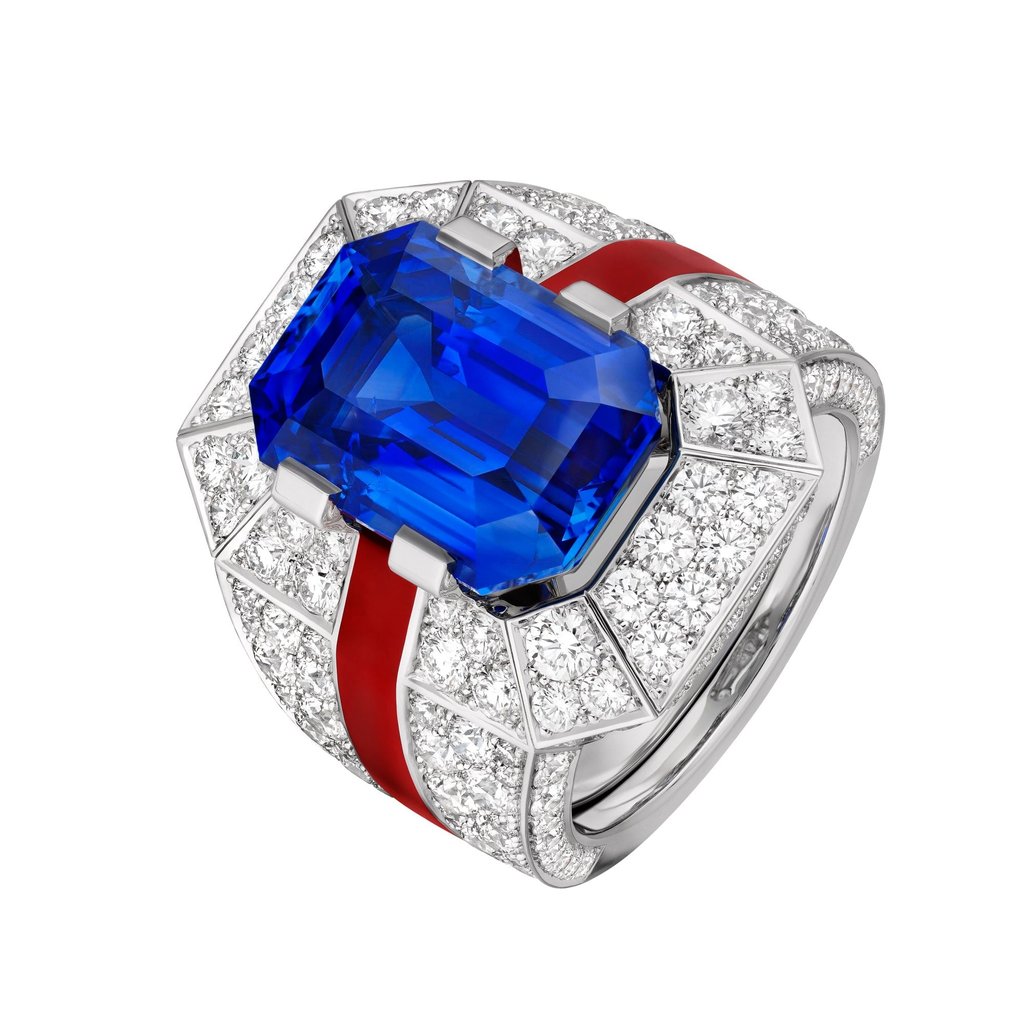
“Bold, unexpected, different and modern” – this is how Marianne Etchebarne, global head of watches and fine jewellery product marketing, clients and communication at Chanel, describes the range. “High jewellery and sports is an oxymoron. You don’t wear a high jewellery necklace to go jogging,” said Etchebarne in an interview in Monaco.
Divided into seven chapters – Graphic Line, Chanel Print, Quilted Icons, Sporty 5, Gold Slider, Sweater Sport and Collector Sport – the collection also stands out for the rarity of the stones sourced by the Chanel’s jewellery team – most notably a set of five Kashmir sapphires – and the use of unconventional materials such as aluminium and carbon fibre.
“The materials are very innovative and the colours are also very assertive: blue, red, yellow; no pastels or harmonious shades but very bold and sharp colours to [convey] this notion of movement, speed, energy,” says Etchebarne. She adds that the high jewellery studio helmed by Patrice Leguéreau has the freedom to come up with out-of-the-box ideas because, unlike storied jewellers, Chanel doesn’t have hundreds of years of jewellery collections to draw upon. “Our patrimony is just Chanel herself, so it’s very abstract,” she says.