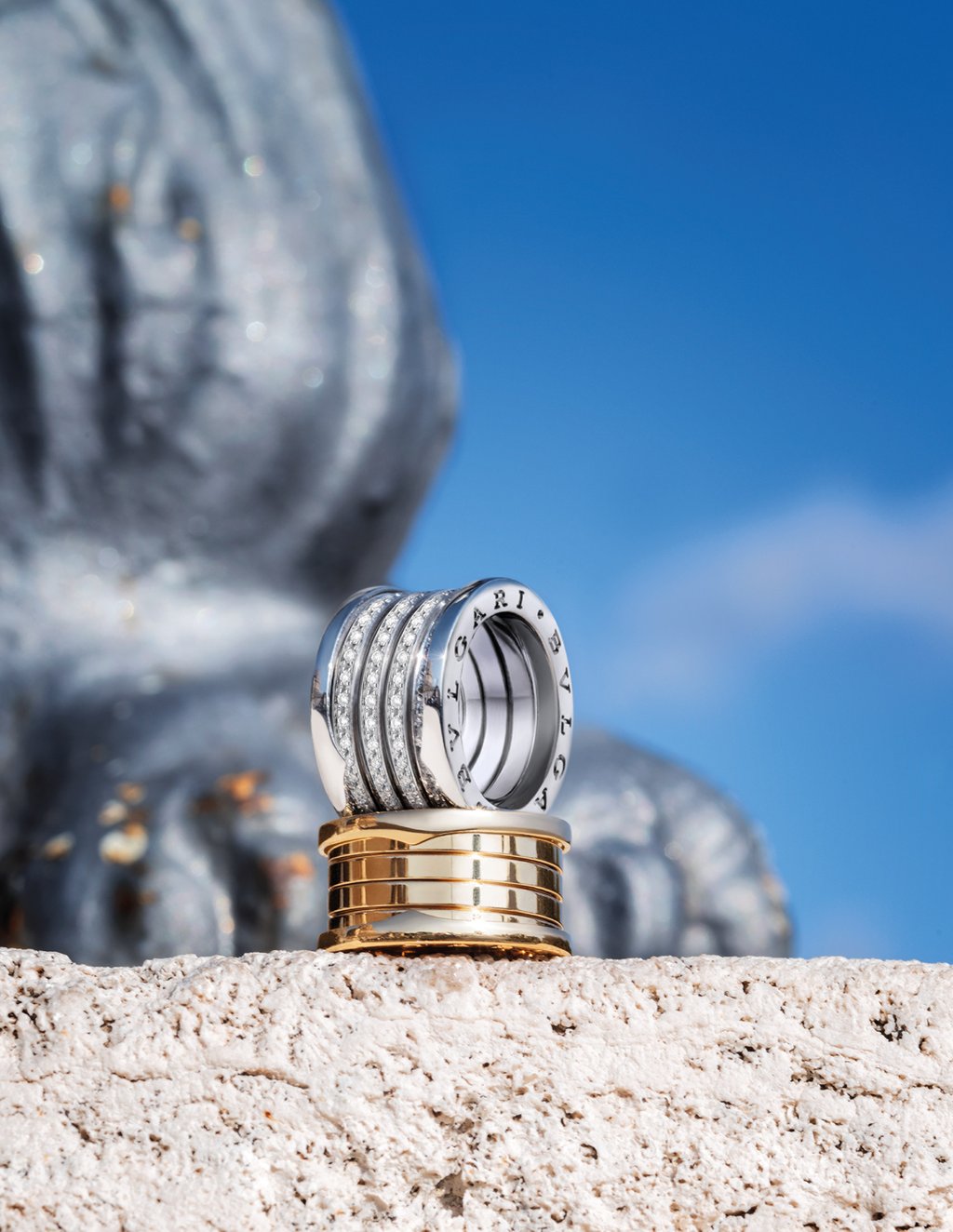
Style Edit: Bulgari’s B.Zero1 range was inspired by Rome’s Colosseum

The range has an architectural feel thanks in part to being centred on Tubogas, a solderless method of crafting ribbons of gold
Launched in 1999, Bulgari’s B.zero1 marked a shift in modern jewellery design. Drawing inspiration from the Colosseum, Rome’s most enduring architectural symbol, the maison distilled the landmark’s circular geometry into a spiral that prioritised form, proportion and construction over decoration. From the outset, B.zero1 was less about embellishment and more about a sculptural feel that was distinctly Roman.

At its core is Bulgari’s mastery of Tubogas, a technique that coils ribbons of gold into a hollow, flexible form without soldering. This approach allows the spiral to remain fluid while maintaining its strength, capped at either end with flat rings engraved with the “Bulgari Bulgari” signature. The result is a design that feels modern yet grounded in craftsmanship, and capable of evolving without losing its identity.

That adaptability has seen the spiral reinterpreted over the years through varying widths of band and unexpected materials, including black and white ceramic, and coloured marble, expanding the collection’s visual language while staying true to its architectural roots.
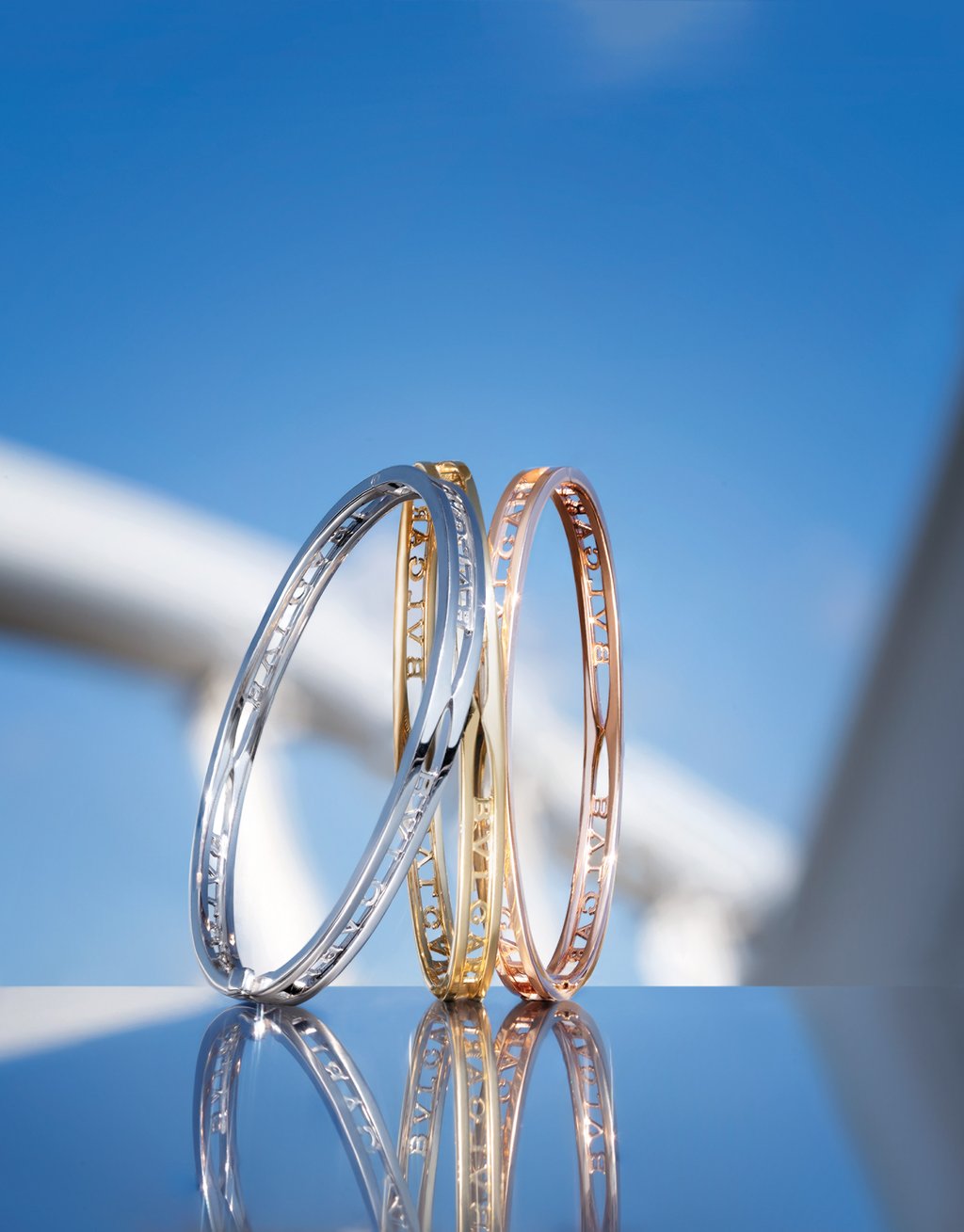
Creative collaborations have further sharpened its design credentials. Editions created with sculptor Anish Kapoor explored volume and negative space, while 2017’s B.zero1 Design Legend by Zaha Hadid introduced dynamic, intersecting lines that echoed her fluid approach to architecture.

In 2019, to mark its 20th anniversary, Bulgari revisited the original five-band ring – the boldest expression of the B.zero1 silhouette – reaffirming the power of the design in its purest form.