Bejewelled cufflinks – as seen on Robert Pattinson, Jacob Elordi and Chris Evans

Maisons including Dior, Graff, Tiffany & Co. and Cartier are crafting them in gold and adding diamonds and pearls
Cufflinks have long been a staple of tailored menswear, and now the classic accessory is getting a bejewelled upgrade.
A select group of brands – from independents to major houses – are approaching cufflinks less as functional fasteners and more as miniature jewels in their own right, crafting them in gold and silver and setting them with precious stones.
That shift makes sense when you look at the cufflink’s history. Before them, shirt cuffs were typically secured with ribbons or strings. As men’s dress became more refined in the 17th century, those ties began to give way to cuff buttons inserted through buttonholes, creating the early form of the cufflink as we know it today.
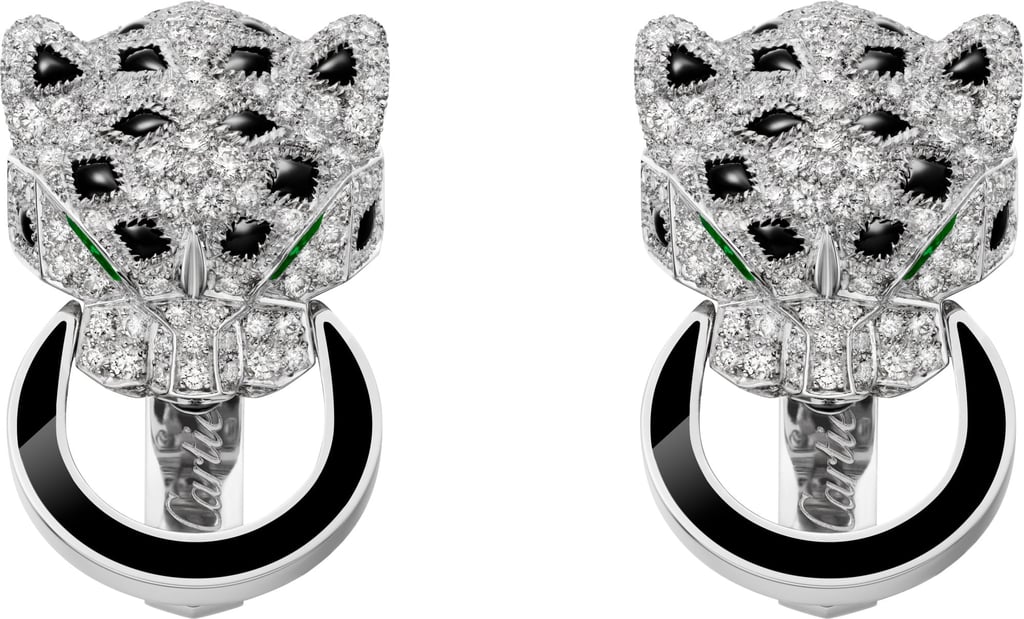
In France, these early fasteners were known as boutons de manchette (sleeve buttons), and emerged as part of late 17th-century court dress. They appeared both in Louis XIV’s France and in Restoration England, where Charles II is often credited with helping popularise them. From the beginning, they belonged to upper-class wardrobes and were usually engraved and set with rare stones. By the 18th century, cufflinks had become part of aristocratic dressing for formal occasions, worn as markers of taste and status, and often gifted or commissioned to mark significant events.
The 19th century widened the cufflink’s appeal. New manufacturing techniques made them more accessible for those lacking aristocratic taste and resources, while changing shirt styles created more demand for detachable fasteners. German-born American jeweller George Krementz was a central figure in that development, helping turn men’s jewellery into a serious manufacturing category in the US – accounts of his rise often note that he took inspiration from bullet-manufacturing methods when he began producing cufflinks at scale in 1876.
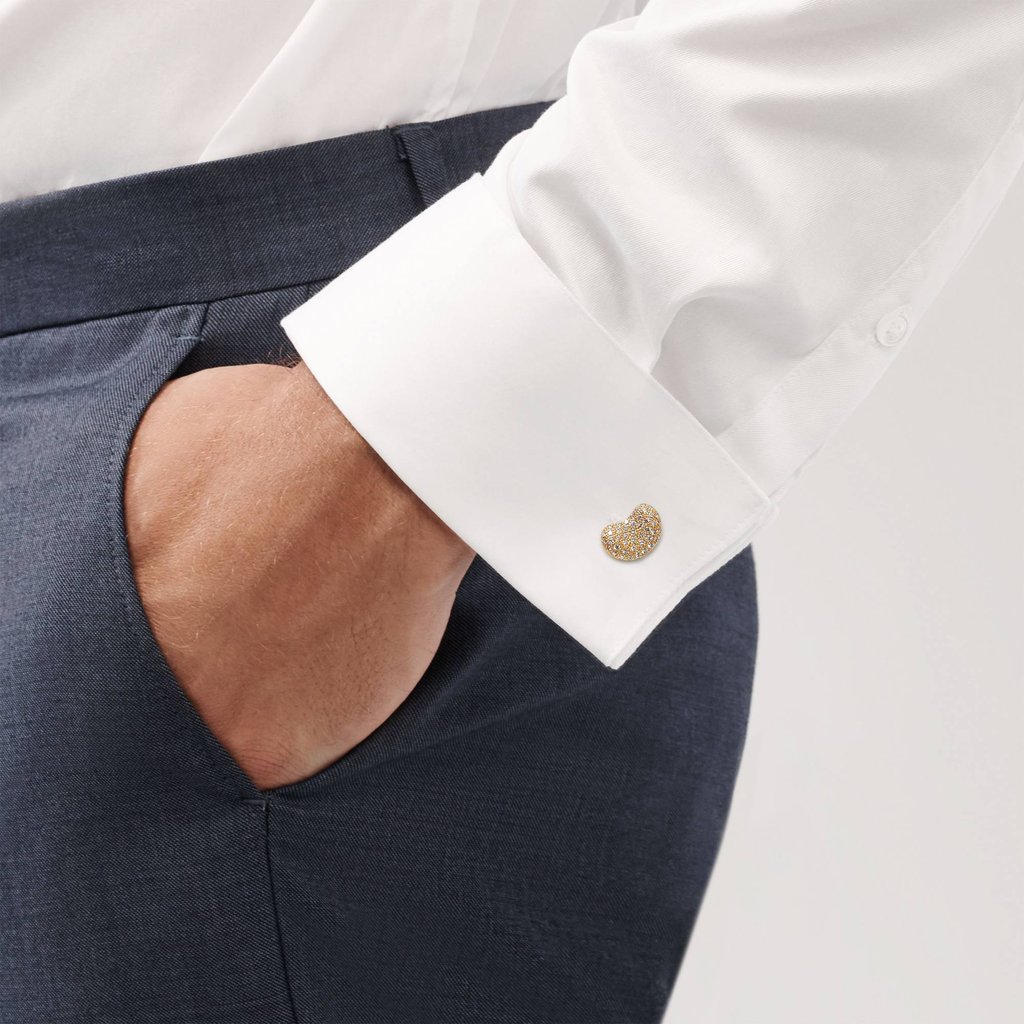
At the same time, Victorian taste encouraged more lavish ornamentation, from elaborate goldwork to writhing snake motifs described as Victorian serpents, while the early 20th century brought enamel, onyx, mother-of-pearl and other hardstones into the mix.
After World Wars I and II, men once again used accessories, including cufflinks, to bring a touch of embellishment back into their attire, before mass-produced shirts with buttons already attached to the cuff reduced their everyday use later in the century. The cufflink’s return was helped in part by the enduring appeal of the double, or French, cuff, while the Boyer fastener system (using a swivelling toggle), introduced in 1924, helped establish the modern cufflink format still widely used today.
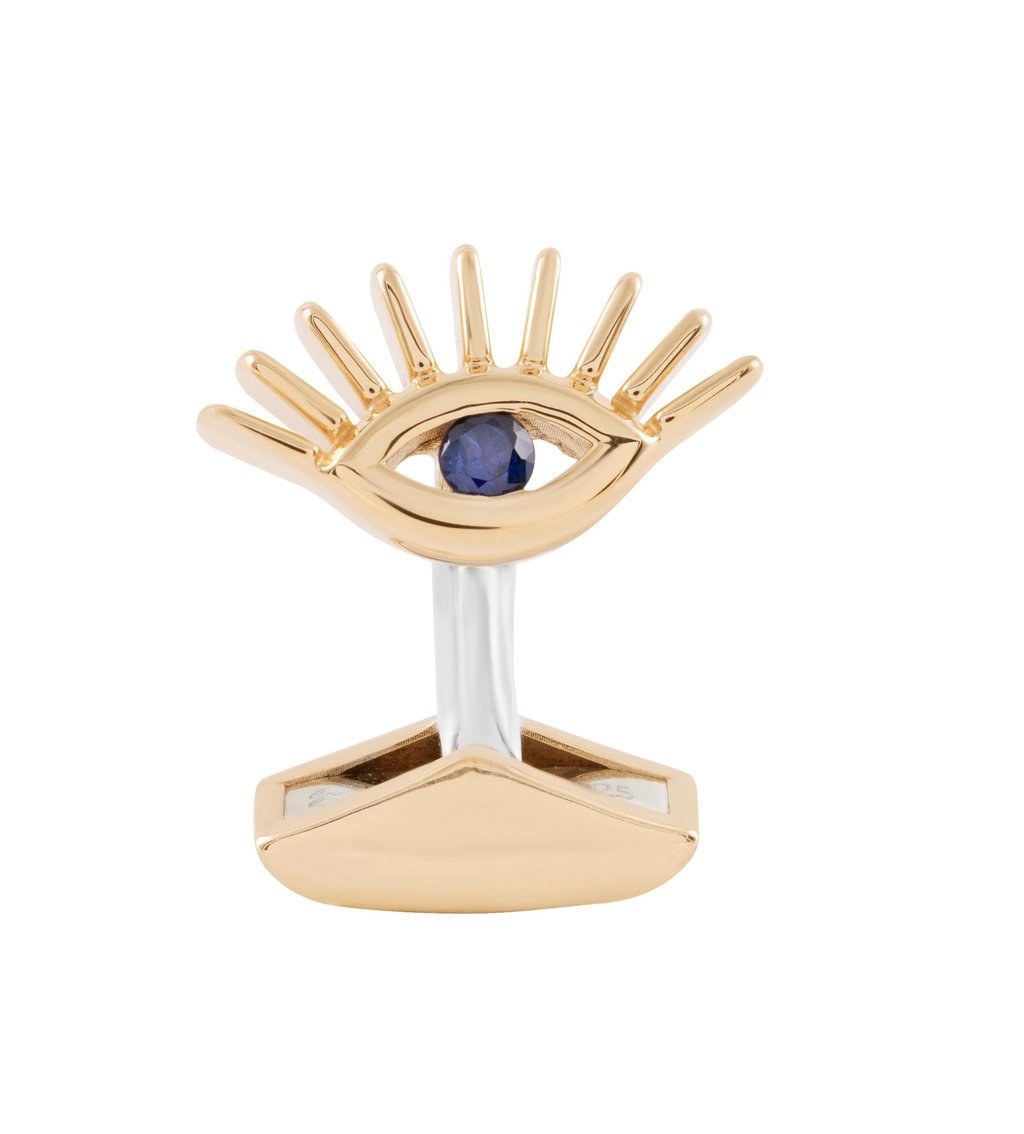
Today, they still mostly belong to the black tie dress code – but brands are giving them far more of a spotlight than they once had, with recent red carpets offering plenty of style inspiration.